

A healthy diet is one of the main pillars of a dog’s overall well-being. For active dogs that engage in regular physical activities — such as long walks, agility training, or intense play sessions — adjusting their diet based on energy level is essential. Just like humans who exercise regularly need the right nutrition, dogs also require a balanced diet for active dogs that provides enough fuel without compromising their health.
Why Active Dogs Need a Specialized Diet
Active dogs burn more calories daily and therefore need foods that supply energy efficiently. Without proper dietary adjustment, they may lose too much weight, experience lowered immunity, or even develop muscle issues. On the other hand, feeding too many calories can lead to overweight, even in dogs that exercise a lot.
It’s important to remember that every dog is unique. Breed, age, size, and the type of activity all directly affect how much and what kind of nutrients are required for a balanced diet.

Macronutrients: The Foundation of Canine Energy
Protein for Strength and Endurance
Protein is essential for maintaining and building muscle mass. For active dogs, the demand is higher since their muscles are constantly working. Foods rich in high-quality protein — such as chicken, fish, and lamb — should always be part of their diet.
Carbohydrates for Steady Energy
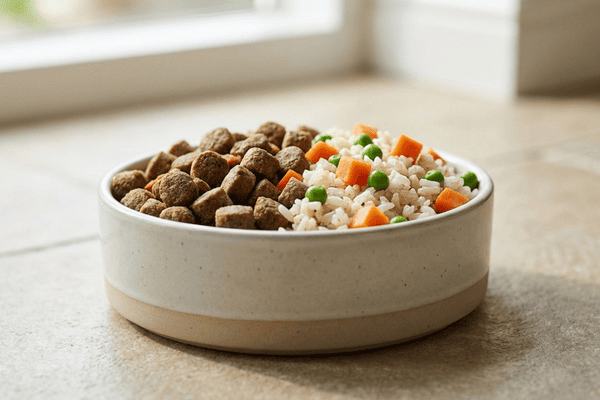
Complex carbohydrates like brown rice, sweet potatoes, and oats provide slow, consistent energy release. They help dogs stay active and maintain endurance during long activities.
Healthy Fats for Performance and Wellness
Good fats, such as omega-3 and omega-6, are crucial for active dogs. In addition to providing concentrated energy, they promote healthy skin, coat, and joints. Sources like fish oil and flaxseed oil are highly recommended.
Adjusting the Diet to Match Activity Level
Moderately Active Dogs
Dogs that go on daily walks but don’t have intense exercise routines benefit from a balanced diet with moderate protein, healthy carbs, and lower fat. The goal is to maintain a stable weight and the energy needed for everyday activities.
Highly Active Dogs
Dogs involved in sports like agility or canicross need higher amounts of protein and fat to support energy and muscle recovery. Premium or super-premium dog food designed for athletic dogs is often a good choice.
Active Puppies and Young Dogs
Growing dogs with high energy levels need extra attention. They require nutrients for bone and muscle development while staying active. Portion control is essential — avoid both deficiencies and overfeeding.
Common Feeding Mistakes for Active Dogs
- Giving too many high-calorie treats — even active dogs can gain weight.
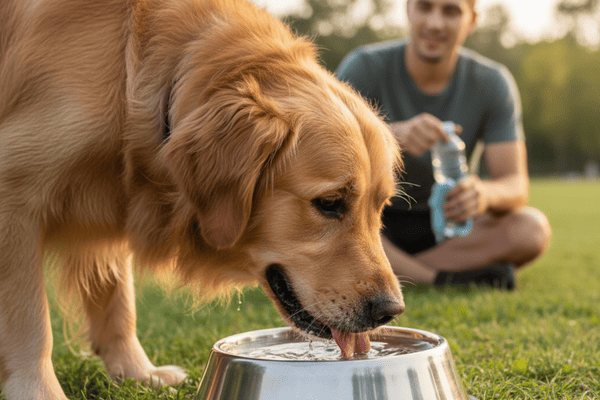
- Ignoring hydration — always provide fresh water, especially after activity.
- Skipping veterinary checkups — each dog has unique needs, and only a vet can determine the ideal diet.
Practical Feeding Tips for Pet Parents
- Set fixed mealtimes instead of free-feeding throughout the day.
- Adjust portions according to your dog’s condition: increase if losing weight, decrease if gaining too much.
- Use supplements only under veterinary guidance.
- Observe your dog’s coat, energy level, and weight — they’re clear indicators of a balanced diet.
Why Professional Guidance Matters
Adjusting a diet for active dogs might seem simple but requires nutritional precision and observation. Consulting a veterinarian ensures your dog receives all the nutrients necessary for their lifestyle.
Maintaining an appropriate exercise routine is just as important — see our articles Low impact exercises for small dogs living in apartments.
and Short vs. Long Walks: What’s the Best Option for Growing Large-Breed Dogs?
For more in-depth information, the World Small Animal Veterinary Association (WSAVA) provides helpful insights into the importance of balanced canine nutrition.
Make Nutrition Part of Everyday Care
Feeding your dog a balanced diet means much more than maintaining a good shape — it’s about promoting lasting health and vitality. Adjusting meals according to your dog’s energy level ensures that every bite contributes to a healthier, happier, and more active life.