
Care

General care, such as proper nutrition, a suitable environment, and emotional support for senior dogs with arthritis.

Stretches for Beginner Dogs
Care, Health and Wellness

Stretches for Beginner Dogs: How to Start Safely and Comfortably

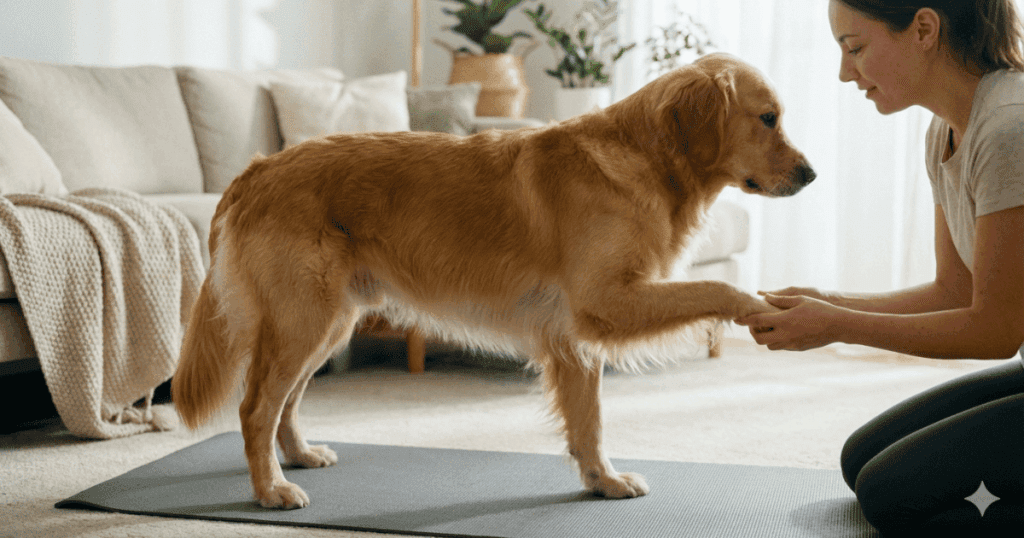
Starting a stretching routine may seem simple, but when it comes to beginner dogs, every movement must be done with care, patience, and respect for the dog’s limits. Whether you have a growing puppy, a sedentary adult dog, or a pet returning to physical activity, stretching helps improve flexibility, prevent injuries, and promote greater comfort in daily movements. When performed correctly, stretching also strengthens the bond between owner and dog, turning the session into a positive and relaxing experience. Why Stretching Is Important for Beginner Dogs Many dog owners believe stretching is only for athletic or senior dogs. That is not true. Starting early, and doing it properly, helps keep muscles and joints prepared for everyday activities such as walking, running, or playing. Some of the main benefits include: A consistent care routine also plays a key role in long-term joint health. If your dog already shows signs of joint sensitivity, you may find helpful guidance here:https://pautamix.com/care-routine-senior-dogs-arthritis/ When Is the Best Time to Stretch? Timing directly affects results. Ideally, your dog should be: Avoid stretching when your dog is overly excited, deeply asleep, or immediately after meals. Flooring is especially important. Slippery surfaces increase the risk of muscle strain and discomfort. Simple Stretches for Beginners The main rule is simple: gentle, slow movements without forcing range of motion. Front Leg Stretch With your dog standing, gently hold one front paw and extend it slightly forward. Hold for about five seconds, then slowly release. Repeat two to three times on each side. This movement helps improve shoulder mobility and relieve minor muscle tension. Back Leg Stretch Gently hold the back leg and move it slightly backward, maintaining natural alignment. Hold for a few seconds and release without sudden movements. This exercise supports hip mobility and activates the rear muscle group. Side Stretch Using a Treat Use a healthy treat to encourage your dog to turn their head gently to each side. This natural movement activates neck and trunk muscles without direct manipulation. It is an excellent option for dogs who are not yet fully comfortable with prolonged physical handling. How Long Should a Session Last? For beginners, less is more. The goal is not intensity. It is consistency. Over time, your dog will likely relax more during sessions, allowing for slightly broader movements while still respecting their limits. How to Tell If It Is Working Several signs indicate that stretching is being performed correctly: ✔ Your dog remains calm✔ There is no sudden pulling away✔ Breathing stays normal✔ The dog appears relaxed after the session If you notice resistance, discomfort, or repeated attempts to escape, stop and try again another day. The Connection Between Stretching and Joint Health Even in beginner dogs, maintaining joint health early helps reduce future risks. In addition to stretching, proper nutrition and complementary care support mobility over time. For dogs that already show sensitivity, light strengthening exercises and low-impact therapies may be beneficial, as explained here:https://pautamix.com/hydrotherapy-dogs-arthritis/ A balanced routine combined with regular veterinary checkups builds a solid foundation for healthy aging. Common Mistakes When Starting a Stretching Routine Avoiding simple mistakes can prevent unnecessary discomfort. The key is gentleness and careful observation. Making the Experience More Comfortable A few strategies can help your dog accept the new routine more easily: Creating a positive association encourages long-term consistency. When to Seek Professional Guidance Even though these are simple stretches, consult a veterinarian if your dog: Dogs diagnosed with arthritis or hip dysplasia should always receive professional guidance before beginning any stretching or manipulation routine. Building a Healthy Routine from the Start Starting a safe stretching routine is an investment in your dog’s future health. With short sessions, the right environment, and gentle movements, you help improve mobility, prevent injuries, and enhance overall quality of life. Consistency, observation, and respect for your dog’s pace are essential. Small actions today can make a significant difference tomorrow.
5 Simple Stretches for Senior Dogs to Relieve Arthritis Pain
Care, Mobility & Exercise

5 Simple Stretches for Senior Dogs to Relieve Arthritis Pain

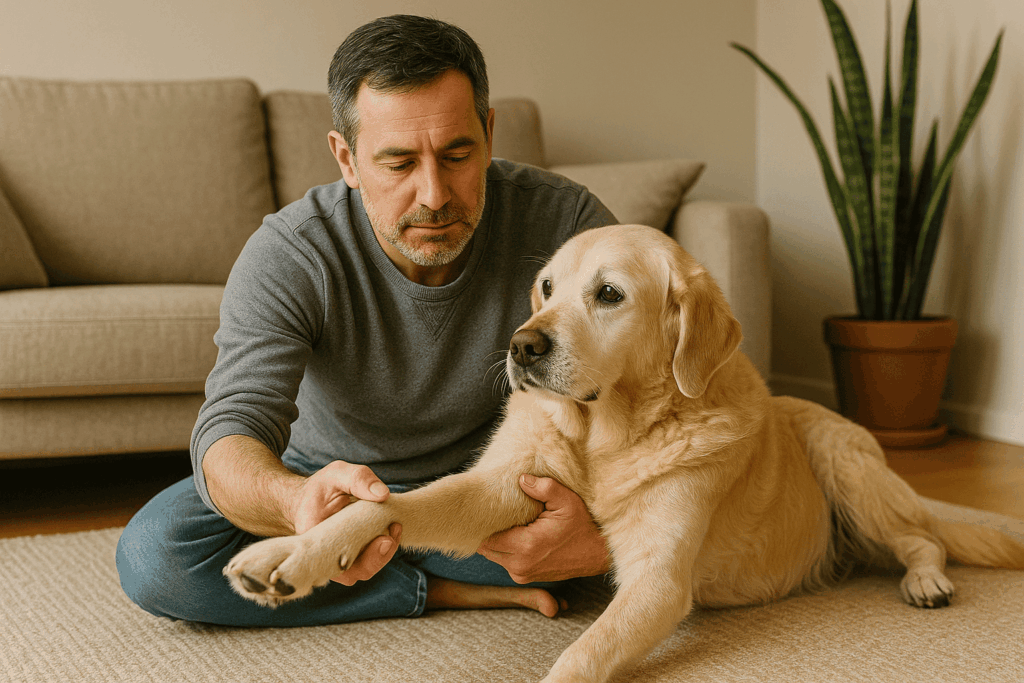
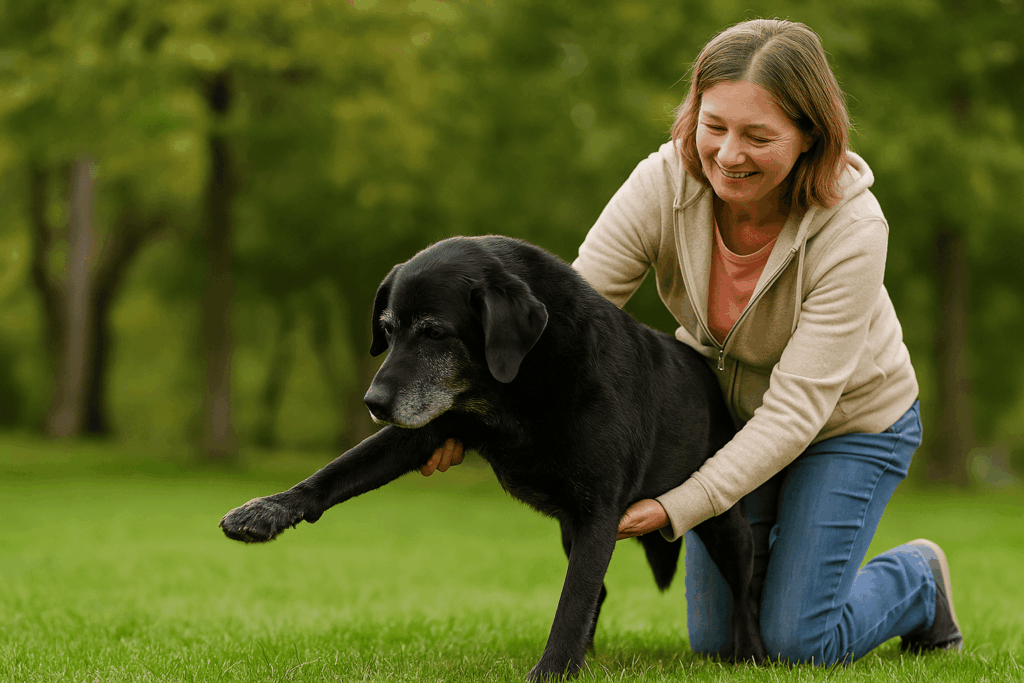
Gentle stretching routines that help senior dogs with arthritis improve mobility, reduce stiffness, and move more comfortably. Understanding Stretches for Senior Dogs with Arthritis Arthritis is a common condition in aging dogs and often causes joint stiffness, inflammation, and reduced mobility. As joints become painful, many senior dogs move less, which can worsen stiffness and muscle weakness over time. Adding stretches for senior dogs with arthritis to a daily routine can help reduce discomfort and improve flexibility. Gentle stretching keeps muscles active, increases circulation around the joints, and allows dogs to move more comfortably during daily activities such as walking, standing, or climbing stairs. Unlike intense exercise, stretching is a low-impact activity that can be performed safely at home when done slowly and carefully. Even a few minutes of daily stretching can help support joint health and improve your dog’s quality of life. When combined with proper veterinary care, a balanced diet, and regular low-impact activity, stretching becomes an effective part of arthritis management. Why Stretching Helps Senior Dogs with Arthritis Stretching provides several important physical benefits for aging dogs experiencing joint pain and stiffness. Improves Flexibility Arthritic joints often lose their natural range of motion. Gentle stretching helps maintain flexibility and prevents muscles from becoming tight. Reduces Muscle Tension Muscles around painful joints may become tense as the body tries to compensate for discomfort. Stretching helps release that tension and improve movement. Promotes Better Circulation Stretching encourages healthy blood flow, which delivers oxygen and nutrients to muscles and joints. Prevents Joint Stiffness Regular movement helps lubricate joints and reduce stiffness caused by inactivity. Learn how movement supports mobility in arthritic dogs:🔗The Role of Exercise in Maintaining Mobility in Senior Dogs with Arthritis Supports Safer Physical Activity Flexible muscles and joints help dogs move more safely during daily activities such as walking or climbing stairs. 1. Front Leg Extension This stretch helps relieve stiffness in the shoulders and elbows. How to Perform Repeat 2 to 3 times for each front leg. Helpful Tips 2. Rear Leg Stretch This stretch targets the hips and knees, areas commonly affected by arthritis. How to Perform Repeat 2 to 3 times on each leg. Helpful Tips Perform this stretch after a short walk when muscles are warm and more flexible. Learn how to plan gentle walking routines:🔗Safe Walks for Senior Dogs with Arthritis: Keep Your Dog Active Warm muscles reduce the risk of strain and make stretching more comfortable. 3. Neck Side Stretch This stretch improves flexibility in the neck and upper spine. How to Perform Repeat 3 to 5 times on each side. Helpful Tips Move the treat slowly and avoid sudden movements. The goal is a gentle stretch, not a forced twist. This stretch also strengthens the bond between you and your dog by turning exercise into a positive interaction. 4. Spine Flex and Stretch The spine plays an important role in overall mobility. Gentle stretching can help reduce stiffness along the back. How to Perform Helpful Tips Perform this movement slowly to avoid sudden twisting of the spine. If your dog struggles to follow the movement, reduce the range of motion. 5. Gentle Back Massage with Stretch Combining a light massage with stretching can help reduce tension and improve circulation. How to Perform Spend one to two minutes performing this activity. Helpful Tips Keep pressure light and movements slow. A calm environment can help your dog relax during the massage. Discover other therapies that support mobility:🔗Physical Therapy for Senior Dogs: How It Helps Manage Arthritis Combining stretching with physical therapy can significantly improve mobility for many dogs. Safety Tips Before Starting Stretching Exercises Stretching should always be done carefully, especially for dogs with arthritis. Before starting a stretching routine, consult your veterinarian. A professional evaluation ensures the exercises are appropriate for your dog’s condition. Watch for warning signs during stretching, including: If any of these occur, stop the exercise immediately. Learn how to recognize pain symptoms early:🔗How to Recognize Signs of Pain in Senior Dogs with Arthritis Recognizing pain signals early helps prevent further injury. Creating a Daily Stretching Routine Consistency is more important than intensity when it comes to stretching. A simple daily routine may include: Daily stretching works best when combined with other healthy habits such as proper nutrition, weight management, and safe physical activity. Even small improvements in flexibility can help senior dogs move more comfortably and remain active longer. Helping Your Senior Dog Stay Comfortable and Mobile Adding stretches for senior dogs with arthritis to your dog’s routine can greatly improve their comfort and mobility. Gentle stretching helps maintain flexibility, reduce muscle tension, and support joint health. When performed regularly and safely, these simple movements can make everyday activities easier for aging dogs. Combined with veterinary guidance, proper exercise, and supportive care, stretching helps senior dogs maintain a better quality of life and enjoy their daily routines with less discomfort.

How to Safely Adapt Exercises for Senior Dogs with Arthritis
Care, Mobility & Exercise

How to Safely Adapt Exercises for Senior Dogs with Arthritis

Practical strategies to help senior dogs with arthritis stay active, maintain mobility, and exercise safely without worsening joint pain. Understanding Arthritis in Senior Dogs Arthritis is one of the most common health conditions affecting senior dogs. As dogs age, the cartilage that protects their joints gradually wears down. This leads to inflammation, stiffness, and discomfort during movement. Because of this pain, many dogs naturally become less active. Unfortunately, reduced movement can worsen joint stiffness and lead to muscle loss, making mobility even more difficult. Learning how to safely adapt exercises for senior dogs with arthritis is essential for maintaining their health. When exercise routines are adjusted properly, they can help maintain muscle strength, improve circulation, and support joint flexibility without causing additional strain. Regular movement remains one of the most effective ways to slow mobility decline in aging dogs. Signs of Arthritis in Senior Dogs Recognizing the early signs of arthritis allows owners to adjust activity routines before mobility problems become severe. Common symptoms include: Some dogs may also show irritability or behavioral changes due to chronic pain. Learn how to identify early pain symptoms:🔗How to Recognize Signs of Pain in Senior Dogs with Arthritis Monitoring these signs helps ensure exercise routines remain safe and appropriate. Why Exercise Is Important for Arthritic Dogs Although arthritis causes pain, complete inactivity can make the condition worse. When dogs stop moving, muscles weaken and joints become stiffer. This reduces stability and increases the risk of injury. Adapting exercise routines helps break this cycle. Key benefits of gentle exercise include: Improved Circulation Movement increases blood flow, helping deliver oxygen and nutrients to joints and surrounding tissues. Stronger Muscles Stronger muscles provide better joint support and help reduce pressure on painful areas. Reduced Joint Stiffness Gentle movement keeps joints lubricated and prevents stiffness caused by inactivity. Better Emotional Health Exercise also provides mental stimulation and releases endorphins that improve mood and reduce stress. Explore how physical activity supports mobility:🔗The Role of Exercise in Maintaining Mobility in Senior Dogs with Arthritis Even small amounts of daily activity can make a significant difference in how comfortable a senior dog feels. Safe Exercises for Senior Dogs with Arthritis Not all exercises are suitable for dogs experiencing joint pain. High-impact activities such as running or jumping may worsen symptoms. Instead, focus on low-impact activities that support movement while protecting the joints. Short and Gentle Walks Walking remains one of the most beneficial activities for senior dogs with arthritis when performed correctly. Instead of long walks, choose: Soft surfaces such as grass or dirt trails help reduce joint impact. Learn how to create comfortable walking routines:🔗Safe Walks for Senior Dogs with Arthritis: Keep Your Dog Active Short, frequent walks help maintain mobility while preventing fatigue. Swimming and Hydrotherapy Swimming is one of the best exercises for dogs with arthritis because water supports the body while allowing full movement. Water buoyancy reduces pressure on the joints while still providing muscle-strengthening resistance. Benefits of hydrotherapy include: Professional hydrotherapy sessions supervised by trained specialists can provide even greater therapeutic benefits. Gentle Stretching Stretching exercises improve flexibility and help reduce muscle tightness. Simple stretches performed slowly can help maintain joint range of motion and reduce stiffness. Examples include: Learn safe stretching techniques for arthritic dogs:🔗5 Simple Stretches for Senior Dogs to Relieve Arthritis Pain Stretching is most effective when performed after light activity, when muscles are warm. Low-Impact Play Activities Dogs with arthritis can still enjoy playtime when activities are adapted. Safe low-impact games include: These activities stimulate the mind without requiring intense physical effort. Avoid high-impact games such as fetch or jumping for toys, as they may strain painful joints. Tips to Prevent Injuries During Exercise Keeping exercise safe requires careful observation and small adjustments. Watch for Signs of Discomfort Always monitor your dog during activity. Stop exercise if you notice: These signs may indicate fatigue or pain. Use Supportive Equipment Mobility aids can make exercise safer and more comfortable. Helpful tools include: These accessories reduce pressure on joints and help prevent slips or falls. Include Frequent Rest Breaks Senior dogs tire more easily than younger dogs. Allow short rest periods during exercise sessions to avoid overexertion. Avoid Slippery or Uneven Surfaces Slippery floors or steep stairs increase the risk of injury. Whenever possible, choose safe walking environments with stable surfaces. Veterinary Guidance and Physical Therapy Before starting a new exercise routine, consulting a veterinarian is strongly recommended. A veterinary evaluation helps determine: Some dogs may benefit from additional therapies, including: These treatments can reduce inflammation and improve mobility when combined with regular exercise. Professional guidance ensures that exercise routines remain beneficial rather than harmful. Supporting Long-Term Mobility in Senior Dogs Learning how to safely adapt exercises for senior dogs with arthritis can dramatically improve a dog’s comfort and quality of life. Gentle activities such as short walks, swimming, stretching, and low-impact play help maintain muscle strength and joint flexibility. When these exercises are performed consistently and safely, they allow senior dogs to remain active while minimizing joint stress. Combined with veterinary care, supportive equipment, and a balanced lifestyle, adapted exercise routines can help dogs manage arthritis symptoms and continue enjoying their daily activities for many years.

Scroll to Top