Practical strategies to help senior dogs with arthritis stay active, maintain mobility, and exercise safely without worsening joint pain.
Understanding Arthritis in Senior Dogs
Arthritis is one of the most common health conditions affecting senior dogs. As dogs age, the cartilage that protects their joints gradually wears down. This leads to inflammation, stiffness, and discomfort during movement.
Because of this pain, many dogs naturally become less active. Unfortunately, reduced movement can worsen joint stiffness and lead to muscle loss, making mobility even more difficult.
Learning how to safely adapt exercises for senior dogs with arthritis is essential for maintaining their health. When exercise routines are adjusted properly, they can help maintain muscle strength, improve circulation, and support joint flexibility without causing additional strain.
Regular movement remains one of the most effective ways to slow mobility decline in aging dogs.
Signs of Arthritis in Senior Dogs
Recognizing the early signs of arthritis allows owners to adjust activity routines before mobility problems become severe.
Common symptoms include:
- difficulty standing up after resting
- hesitation when climbing stairs
- reluctance to jump into the car
- limping after exercise
- reduced interest in physical activity
- increased sleeping or lethargy
Some dogs may also show irritability or behavioral changes due to chronic pain.
Learn how to identify early pain symptoms:
🔗How to Recognize Signs of Pain in Senior Dogs with Arthritis
Monitoring these signs helps ensure exercise routines remain safe and appropriate.
Why Exercise Is Important for Arthritic Dogs
Although arthritis causes pain, complete inactivity can make the condition worse.
When dogs stop moving, muscles weaken and joints become stiffer. This reduces stability and increases the risk of injury.
Adapting exercise routines helps break this cycle.
Key benefits of gentle exercise include:
Improved Circulation
Movement increases blood flow, helping deliver oxygen and nutrients to joints and surrounding tissues.
Stronger Muscles
Stronger muscles provide better joint support and help reduce pressure on painful areas.
Reduced Joint Stiffness
Gentle movement keeps joints lubricated and prevents stiffness caused by inactivity.
Better Emotional Health
Exercise also provides mental stimulation and releases endorphins that improve mood and reduce stress.
Explore how physical activity supports mobility:
🔗The Role of Exercise in Maintaining Mobility in Senior Dogs with Arthritis
Even small amounts of daily activity can make a significant difference in how comfortable a senior dog feels.
Safe Exercises for Senior Dogs with Arthritis
Not all exercises are suitable for dogs experiencing joint pain. High-impact activities such as running or jumping may worsen symptoms.
Instead, focus on low-impact activities that support movement while protecting the joints.
Short and Gentle Walks
Walking remains one of the most beneficial activities for senior dogs with arthritis when performed correctly.
Instead of long walks, choose:
- short walks lasting 5 to 10 minutes
- two or three sessions per day
- slow and steady pacing
Soft surfaces such as grass or dirt trails help reduce joint impact.
Learn how to create comfortable walking routines:
🔗Safe Walks for Senior Dogs with Arthritis: Keep Your Dog Active
Short, frequent walks help maintain mobility while preventing fatigue.
Swimming and Hydrotherapy
Swimming is one of the best exercises for dogs with arthritis because water supports the body while allowing full movement.
Water buoyancy reduces pressure on the joints while still providing muscle-strengthening resistance.
Benefits of hydrotherapy include:
- improved muscle strength
- reduced joint pressure
- increased range of motion
Professional hydrotherapy sessions supervised by trained specialists can provide even greater therapeutic benefits.
Gentle Stretching
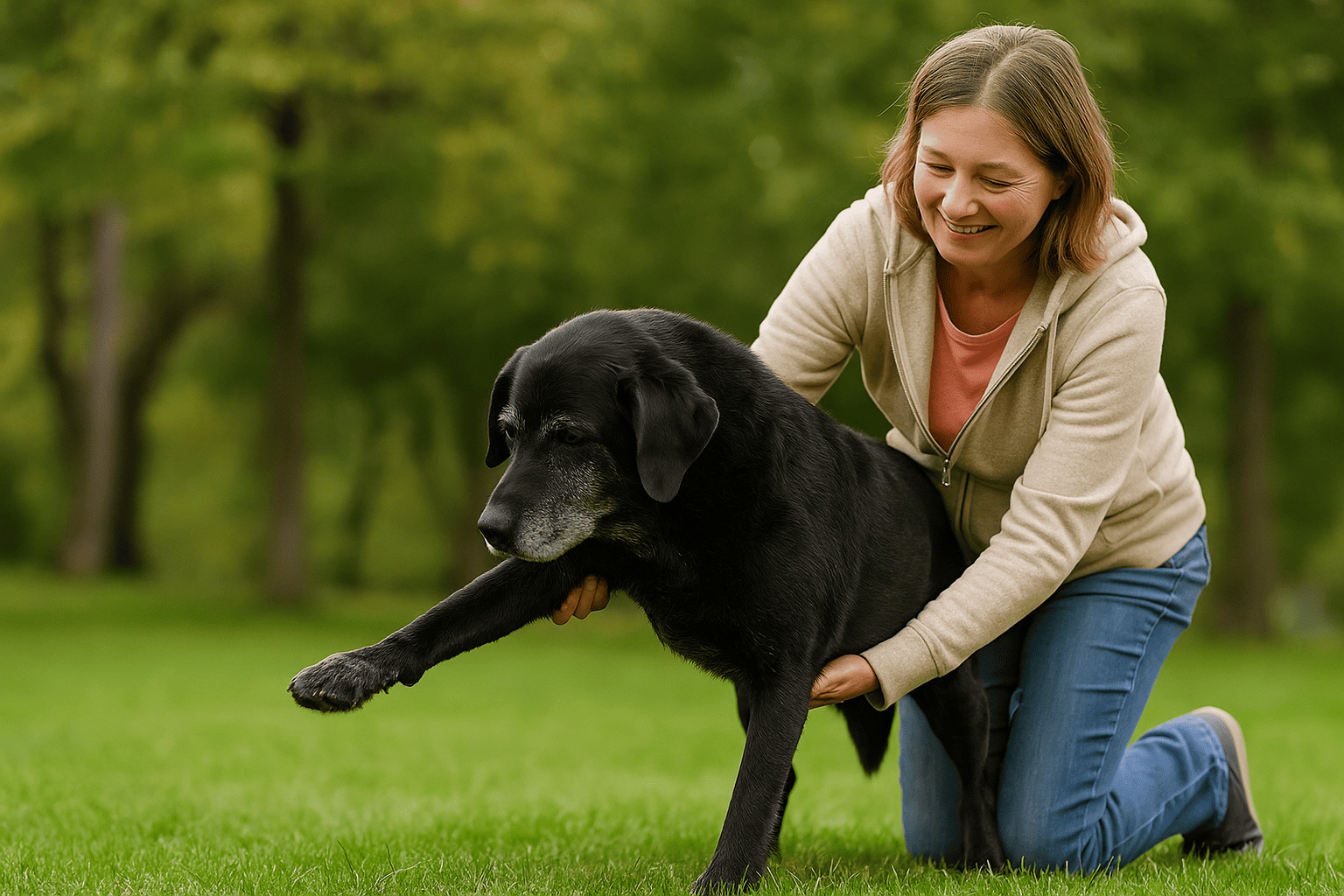
Stretching exercises improve flexibility and help reduce muscle tightness.
Simple stretches performed slowly can help maintain joint range of motion and reduce stiffness.
Examples include:
- front leg extensions
- rear leg stretches
- neck flexibility exercises
- gentle spine movements
Learn safe stretching techniques for arthritic dogs:
🔗5 Simple Stretches for Senior Dogs to Relieve Arthritis Pain
Stretching is most effective when performed after light activity, when muscles are warm.
Low-Impact Play Activities
Dogs with arthritis can still enjoy playtime when activities are adapted.
Safe low-impact games include:
- treat-search games around the house
- puzzle toys
- slow interactive play
These activities stimulate the mind without requiring intense physical effort.
Avoid high-impact games such as fetch or jumping for toys, as they may strain painful joints.
Tips to Prevent Injuries During Exercise
Keeping exercise safe requires careful observation and small adjustments.
Watch for Signs of Discomfort
Always monitor your dog during activity.
Stop exercise if you notice:
- limping
- heavy panting
- hesitation to continue walking
- stiffness after movement
These signs may indicate fatigue or pain.
Use Supportive Equipment
Mobility aids can make exercise safer and more comfortable.
Helpful tools include:
- padded harnesses
- mobility support vests
- non-slip mats inside the home
- ramps for cars or furniture
These accessories reduce pressure on joints and help prevent slips or falls.
Include Frequent Rest Breaks
Senior dogs tire more easily than younger dogs.
Allow short rest periods during exercise sessions to avoid overexertion.
Avoid Slippery or Uneven Surfaces
Slippery floors or steep stairs increase the risk of injury.
Whenever possible, choose safe walking environments with stable surfaces.
Veterinary Guidance and Physical Therapy
Before starting a new exercise routine, consulting a veterinarian is strongly recommended.
A veterinary evaluation helps determine:
- the severity of arthritis
- safe exercise duration
- appropriate activity types
- potential medical treatments
Some dogs may benefit from additional therapies, including:
- physical rehabilitation
- therapeutic massage
- laser therapy
- hydrotherapy sessions
These treatments can reduce inflammation and improve mobility when combined with regular exercise.
Professional guidance ensures that exercise routines remain beneficial rather than harmful.
Supporting Long-Term Mobility in Senior Dogs
Learning how to safely adapt exercises for senior dogs with arthritis can dramatically improve a dog’s comfort and quality of life.
Gentle activities such as short walks, swimming, stretching, and low-impact play help maintain muscle strength and joint flexibility. When these exercises are performed consistently and safely, they allow senior dogs to remain active while minimizing joint stress.
Combined with veterinary care, supportive equipment, and a balanced lifestyle, adapted exercise routines can help dogs manage arthritis symptoms and continue enjoying their daily activities for many years.