
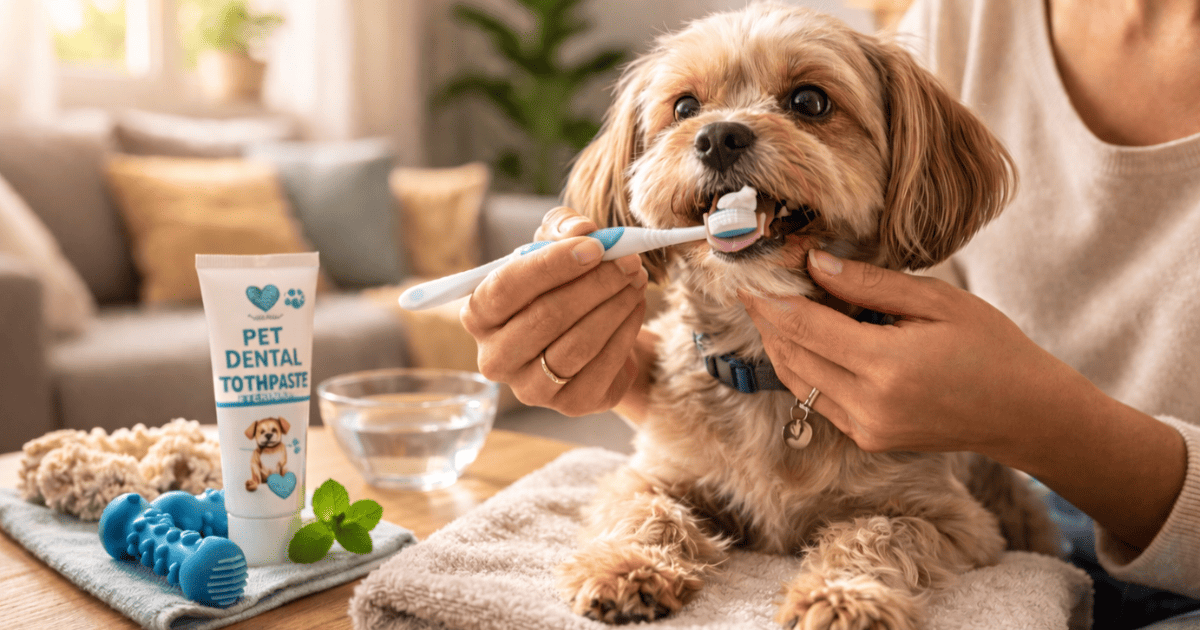
Essential tips to prevent dental problems and improve your dog’s quality of life.
Why Dental Hygiene for Small Dogs Is So Important
Many pet guardians underestimate the importance of dental hygiene for small dogs. Because these breeds often live indoors and appear clean and well cared for, oral health may not seem like an urgent concern.
However, small dogs are actually more prone to dental disease than larger breeds.
Their teeth are positioned closer together inside a smaller jaw, which creates an ideal environment for plaque accumulation. Without consistent care, plaque hardens into tartar, leading to gingivitis, periodontal disease, bad breath, and eventually tooth loss.
Dental hygiene for small dogs is not just about fresh breath. It is directly connected to overall health, longevity, and quality of life.
Why Small Breeds Are More Vulnerable to Dental Problems
Toy and miniature breeds such as Yorkshire Terriers, Pomeranians, and Chihuahuas often develop dental issues earlier in life.
This happens because:
- Teeth crowding increases plaque retention
- Small jaws trap food particles more easily
- Some breeds have genetic predisposition to periodontal disease
When bacteria accumulate in the mouth, they can inflame the gums and damage supporting bone structures.
Over time, untreated oral infections may allow bacteria to enter the bloodstream. This can potentially impact vital organs such as:
- Heart
- Kidneys
- Liver
For this reason, dental hygiene for small dogs must be treated as preventive healthcare, not cosmetic maintenance.
Common Mistakes Dog Owners Make with Dental Hygiene
- Not brushing their dog’s teeth: Many believe that dental treats alone are enough, but they can’t replace regular brushing.
- Using human toothpaste: A serious mistake—human products contain fluoride and other substances that are toxic to dogs.
- Thinking only older dogs need care: Puppies and young adults also accumulate plaque quickly.
- Skipping veterinary checkups: Routine exams help detect issues early before they become severe.
Common Mistakes in Dental Hygiene for Small Dogs
Even well-intentioned owners sometimes make mistakes that compromise their dog’s oral health.
1. Not Brushing the Dog’s Teeth Regularly
Many guardians rely only on dental treats or chew toys. While these can help reduce mild plaque buildup, they are not substitutes for brushing.
Mechanical brushing remains the most effective way to control plaque formation.
2. Using Human Toothpaste
Human toothpaste contains ingredients such as fluoride and xylitol that are toxic to dogs.
Always use products specifically formulated for pets.
3. Starting Too Late
Some owners believe dental care is only necessary for older dogs. In reality, plaque begins forming early in life.
Puppies should gradually become accustomed to oral handling and brushing to prevent resistance later.
4. Ignoring Early Warning Signs
Signs of dental problems include:
- Persistent bad breath
- Red or swollen gums
- Difficulty chewing
- Excessive drooling
- Pawing at the mouth
Delaying veterinary evaluation can allow minor inflammation to develop into advanced periodontal disease.
5. Skipping Veterinary Dental Evaluations
Routine checkups are essential. Veterinarians can detect tartar below the gumline and identify early structural problems that are not visible at home.
How to Build an Effective Dental Routine
Creating a sustainable routine is the key to successful dental hygiene for small dogs.
Brushing Routine
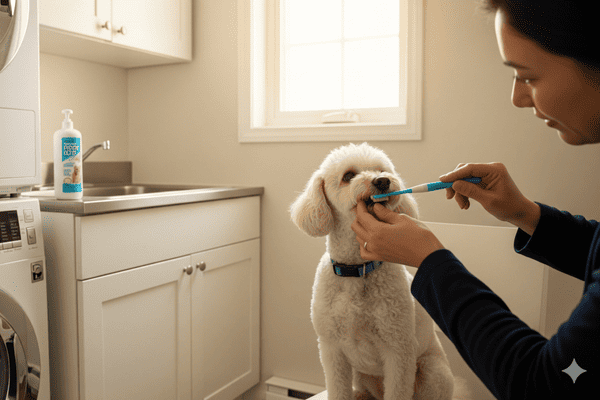
- Use a soft-bristled toothbrush or finger brush made for dogs
- Apply pet-safe toothpaste
- Brush at least three times per week
- Ideally, aim for daily brushing
Start slowly. Allow your dog to get used to the taste of toothpaste and the sensation of touch before attempting full brushing sessions.
Dental Chews and Toys
Chew toys and dental treats can support oral health by stimulating saliva production and providing mild mechanical cleaning.
However, they should be considered complementary tools, not primary treatment.
Choose veterinarian-approved products appropriate for small breeds to avoid choking hazards.
Professional Dental Cleaning
In some cases, professional cleaning under veterinary supervision may be necessary to remove hardened tartar.
This is especially common in small breeds due to faster plaque accumulation.

The Real Risks of Neglecting Dental Hygiene
Neglecting dental hygiene for small dogs can result in:
- Chronic pain
- Tooth loss
- Gum infections
- Difficulty eating
- Behavioral changes due to discomfort
Advanced periodontal disease may require tooth extraction and intensive treatment.
Preventive care is significantly less stressful and less expensive than corrective procedures.
Studies in veterinary medicine consistently show that early dental intervention reduces long-term complications and improves overall well-being.
Dental Care and Preventive Health Go Hand in Hand
Dental hygiene should not be isolated from other preventive practices.
A complete preventive health plan includes:
- Regular vaccination
- Parasite prevention
- Balanced nutrition
- Safe physical activity
- Routine veterinary visits
For example, maintaining updated vaccinations is a fundamental part of preventive care. You can learn more in our article on Vaccination for Apartment Dogs.
Similarly, regular movement supports circulation and immune health. Even indoor pets benefit from structured routines. See our guide on Low-Impact Exercises for Small Dogs Living in Apartments for safe activity ideas.
When combined, these habits create a comprehensive health strategy that strengthens your dog’s resilience.

Frequently Asked Questions About Dental Hygiene for Small Dogs
How often should I brush my small dog’s teeth?
Ideally daily, but at least three times per week for effective plaque control.
Are dental treats enough?
No. They can help, but they do not replace brushing.
Is bad breath normal in small dogs?
Persistent bad breath is usually a sign of dental disease and should be evaluated.
At what age should I start?
As early as puppyhood. Early habituation makes long-term care easier.
The Guardian’s Responsibility
Small dogs may require less physical space, but their health needs are just as significant.
Dental hygiene for small dogs is a long-term investment in comfort, vitality, and longevity.
Each brushing session helps:
- Prevent avoidable suffering
- Reduce future medical costs
- Improve quality of life
- Extend healthy lifespan
When dental care becomes part of your regular routine, it transforms from a chore into an act of consistent, responsible love.
A clean mouth supports a healthy body. And a healthy body supports a happier, more active companion for years to come.