
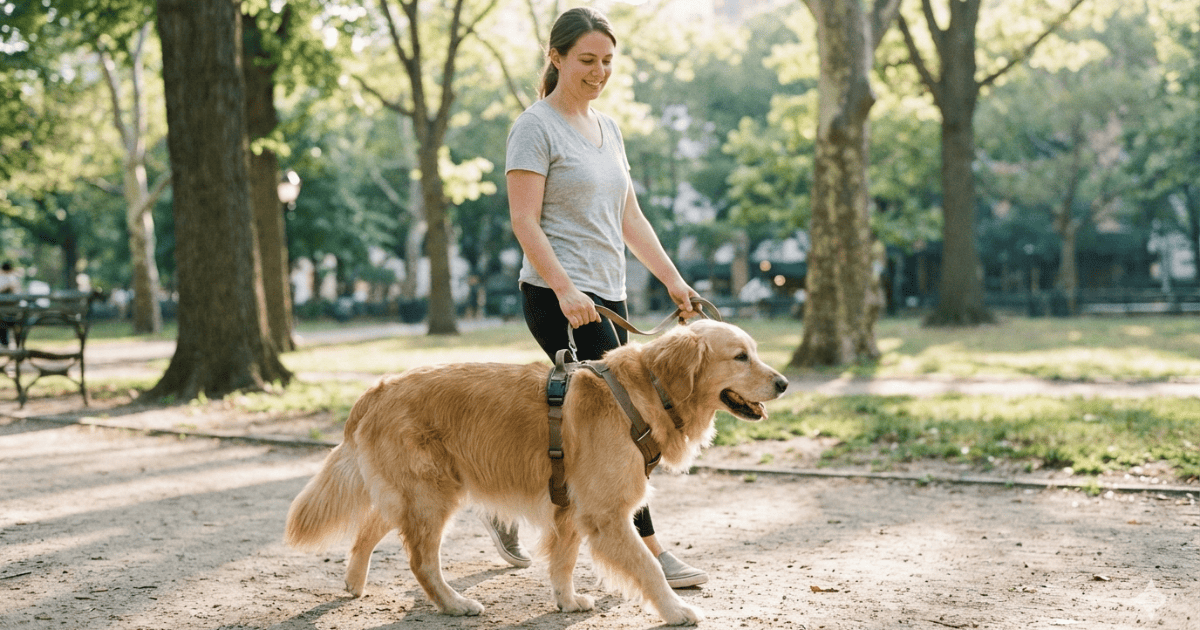
Walking a dog that constantly pulls on the leash can quickly become exhausting. Beyond the frustration, this behavior can compromise both the owner’s and the dog’s safety. Worse yet, using the wrong collar can lead to neck and tracheal injuries.
Fortunately, the pet market offers several solutions designed to correct pulling behavior. But with so many options, which one really works?
Why Dogs Pull on Walks
Before choosing the right collar, it’s important to understand why dogs pull. Common reasons include:
- Excess pent-up energy
- Lack of basic leash training
- Anxiety or overexcitement caused by stimuli
- Use of equipment that unintentionally reinforces pulling
Understanding the cause helps match the correct accessory with positive reinforcement training strategies.
Main Types of Collars and Leashes for Dogs That Pull
1. No-Pull Harness
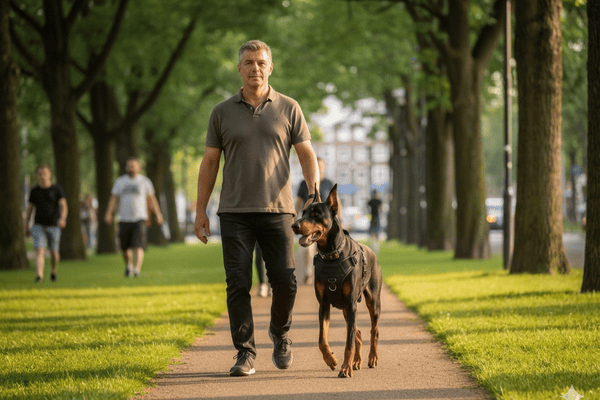
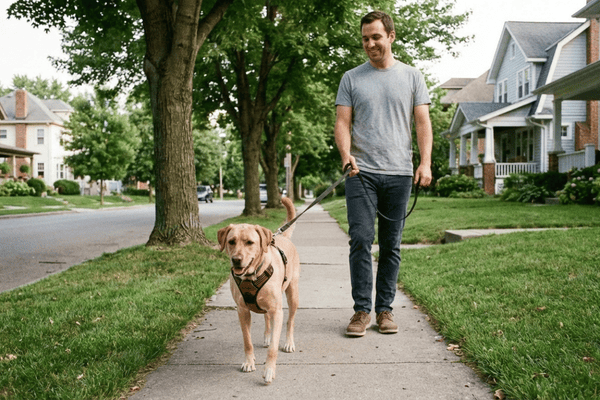
One of the most recommended options. Unlike traditional collars, this harness distributes pressure across the dog’s chest instead of the neck, with the leash attachment typically at the front. This helps redirect the dog when it starts pulling.
✅ Best for medium and large breeds.
❌ Can be uncomfortable if not properly fitted.
2. Headcollar
This model fits around the dog’s muzzle, similar to a gentle leader. It doesn’t restrict breathing but allows the owner to guide the dog’s head, reducing pulling power.
✅ Very effective for strong, high-energy dogs.
❌ Requires adaptation, as some dogs may resist at first.
3. Slip Lead (Unified Leash)
A single-piece design that functions as both collar and leash, often used by professional trainers. It provides quick control but requires skill to apply proper pressure safely.
✅ Good for short training sessions.
❌ Not recommended for inexperienced owners.
4. Traditional Neck Collar
Though common, it’s not ideal for dogs that pull. It provides little control and may cause tracheal injuries or increase anxiety.
❌ Should be avoided for dogs that pull frequently.
Choosing the Right Option for Your Dog
The best choice depends on your dog’s size, temperament, and training level. Generally:
- Small and medium dogs: the no-pull harness is often the best option.
- Large and strong dogs: the headcollar may offer better results.
- For supervised training sessions: the slip lead can be useful.
However, no accessory works alone. Consistent leash training, obedience commands, and sometimes the help of a professional trainer are crucial for lasting results.
Extra Tips for Easier Walks
- Let your dog release energy before the walk with low-impact exercises. Check out Simple Stretches You Can Do With Your Senior Dog to Relieve Joint Pain.
- Avoid long, uninterrupted walks, especially for growing dogs. See Short vs. Long Walks: What’s Best for Growing Large-Breed Dogs?.
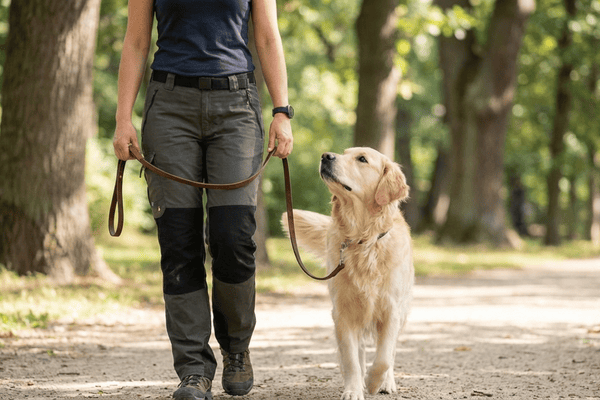
- Combine the use of the harness with positive reinforcement — reward your dog whenever it walks calmly by your side.
If you want to explore more, the American Kennel Club (AKC) provides detailed resources on canine behavior and training.
When to Seek Professional Help
If your dog still pulls excessively even after using proper gear and training techniques, it might be time to consult a professional. Certified trainers can assess your dog’s individual behavior and apply targeted methods to make walks more enjoyable for both of you.