
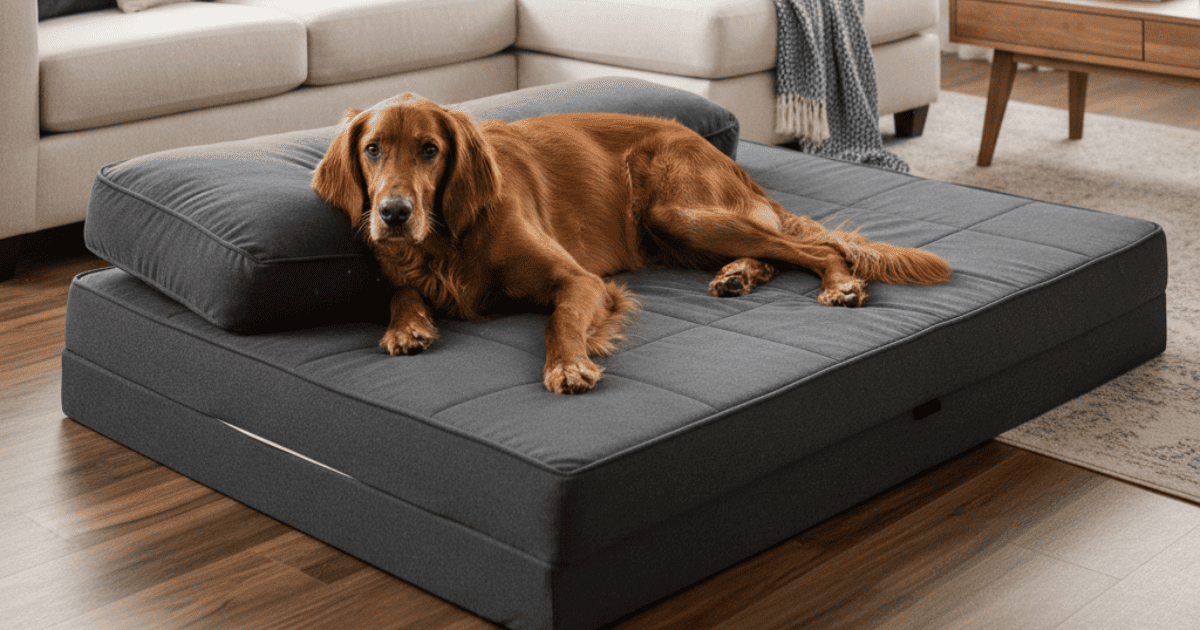
Rest is not just downtime for dogs. It is a fundamental biological process that directly affects muscle recovery, joint health, immune function, and overall longevity. For medium and large breeds, choosing the right sleeping surface becomes even more important.
An orthopedic dog bed is more than a comfort upgrade. It is a preventive and therapeutic tool designed to protect joints, improve sleep quality, and support long-term mobility.
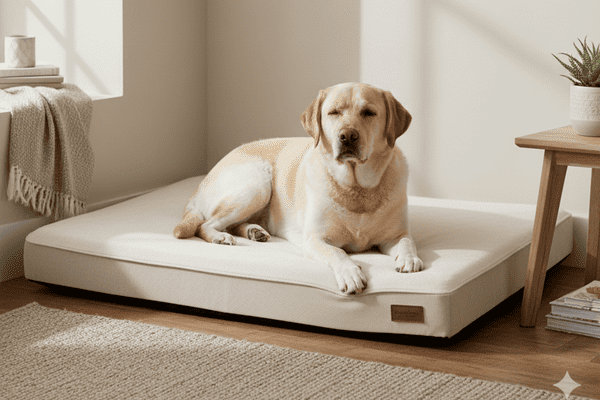
Why Medium and Large Dogs Need Extra Joint Support
The heavier the dog, the greater the pressure placed on joints, hips, elbows, and spine. Over time, repeated mechanical stress can accelerate wear and tear.
Breeds such as Labrador Retrievers, Golden Retrievers, German Shepherds, Rottweilers, and Great Danes are naturally predisposed to:
- Hip dysplasia
- Elbow dysplasia
- Osteoarthritis
- Degenerative joint disease
Even healthy large dogs may experience joint strain simply due to body mass. Unlike smaller breeds, they cannot comfortably rest on thin cushions or hard floors without placing excessive pressure on bony areas.
Sleeping on inadequate surfaces can lead to:
- Morning stiffness
- Difficulty standing up
- Restless sleep
- Increased inflammation
An orthopedic dog bed helps reduce these risks by distributing weight evenly and minimizing pressure points.
What Is an Orthopedic Dog Bed?
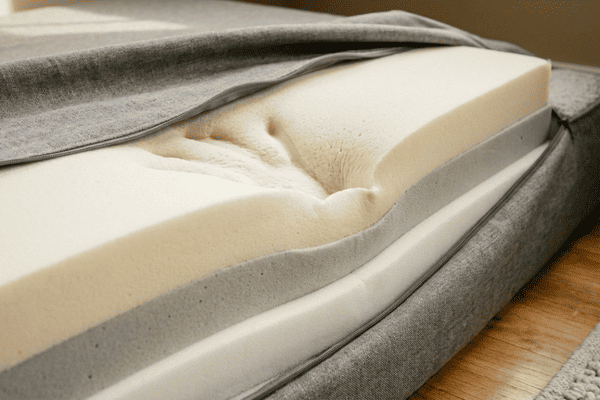
An orthopedic dog bed is specifically engineered to support skeletal alignment and relieve joint pressure. Most high-quality models include:
- High-density memory foam
- Multi-layer foam systems
- Pressure-relieving support cores
- Low-entry design for easy access
- Removable and washable covers
Memory foam adapts to the dog’s body shape, creating customized support. Unlike traditional stuffing, it does not collapse easily and maintains structural integrity over time.
When Should You Invest in an Orthopedic Dog Bed?
Many guardians wait until visible pain appears. However, prevention is always more effective than correction.
Here are clear situations where investing in an orthopedic dog bed is recommended:
1. Senior Dogs
Dogs over 7 years old often develop stiffness after sleeping. A supportive bed helps reduce morning discomfort and improves mobility.
2. Diagnosed Joint Conditions
If your dog has arthritis, osteoarthritis, or hip dysplasia, proper sleeping support becomes essential rather than optional.
🔗 Interlink recomendado: Vaccination for Apartment Dogs: Real Risks and the Ideal Schedule
(Importante para reforçar o conceito de cuidado preventivo completo.)
3. Large and Giant Breeds
Even young, healthy large dogs benefit from preventive joint support due to their weight.
4. Post-Surgery Recovery
After orthopedic surgery or injury, pressure-free rest accelerates healing and reduces inflammation.
5. Subtle Signs of Discomfort
- Hesitation before lying down
- Frequent repositioning at night
- Reluctance to jump on furniture
- Slower rising from rest
These signs often indicate underlying joint stress.
Proven Benefits of an Orthopedic Dog Bed
Choosing a high-quality orthopedic dog bed offers measurable advantages:
✔ Pressure Relief
Reduces compression on hips, elbows, and shoulders.
✔ Better Sleep Quality
Deep, uninterrupted sleep supports cellular repair and immune function.
✔ Reduced Inflammation
Proper alignment minimizes mechanical stress.
✔ Improved Mobility
Dogs that rest comfortably move more freely during the day.
✔ Preventive Protection
Young large breeds can delay the onset of degenerative joint conditions.
According to veterinary orthopedic principles, supportive rest surfaces are part of comprehensive mobility management for medium and large dogs.
How to Choose the Best Orthopedic Dog Bed
Not all orthopedic beds offer the same quality. Consider these criteria:
Size
Your dog should stretch fully without hanging off the edges.
Foam Thickness
Large dogs require thicker bases, typically 4 to 6 inches minimum.
Foam Density
High-density memory foam maintains shape longer and provides consistent support.
Non-Slip Bottom
Prevents sliding on smooth floors.
Waterproof Lining
Essential for seniors or dogs in recovery.
Removable Cover
Machine-washable covers maintain hygiene and extend product lifespan.
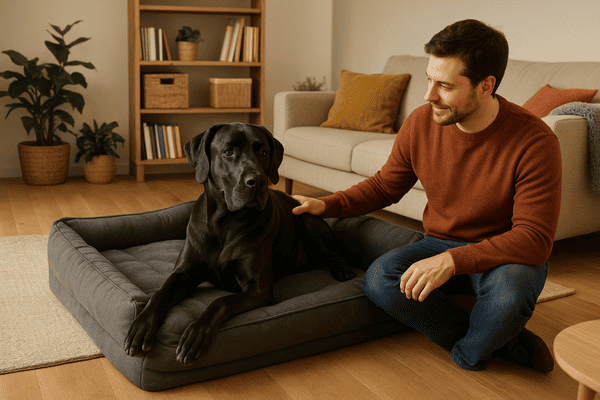
Orthopedic Beds and Long-Term Joint Health
A supportive bed works best when combined with other joint-protective strategies.
Controlled Physical Activity
Low-impact exercises help maintain muscle tone without overloading joints.
🔗 Interlink recomendado: Low-Impact Exercises for Small Dogs Living in Apartments
Maintaining strong muscles reduces pressure on joints and improves stability.
Balanced Nutrition
Joint health also depends on proper nutrition. Diets rich in:
- Omega-3 fatty acids
- Glucosamine
- Chondroitin
- High-quality protein
Support cartilage integrity and reduce inflammation.
🔗 Interlink recomendado: Balanced Diet for Active Dogs: How to Adjust Nutrition Based on Energy Levels
Combining supportive rest with nutritional balance creates a comprehensive preventive strategy.
Common Mistakes When Buying an Orthopedic Bed
Even well-intentioned guardians may choose inadequate products.
Buying Based on Price Alone
Cheap foam often flattens quickly and loses support.
Choosing the Wrong Size
Beds that are too small compromise posture and alignment.
Ignoring Thickness
Thin padding does not qualify as orthopedic support.
Not Replacing Worn Beds
Compressed foam no longer provides therapeutic benefits.
Investing in quality once is often more economical than replacing low-grade beds repeatedly.
Indoor Lifestyle and Joint Comfort
For dogs living primarily indoors, rest areas become even more important. Limited space often means spending more time lying down.
A comfortable, supportive bed complements a healthy indoor routine and reduces cumulative joint strain.
Is an Orthopedic Dog Bed Worth the Investment?
Yes, especially for medium and large dogs.
The cost of preventive support is significantly lower than:
- Chronic pain management
- Long-term anti-inflammatory medication
- Surgical interventions
- Mobility rehabilitation
An orthopedic dog bed is not a luxury accessory. It is a long-term health investment.
Supporting a Longer, Healthier Life
Dogs cannot verbally express joint pain, but behavioral cues often reveal discomfort. Providing adequate support demonstrates proactive care.
When combined with:
- Preventive veterinary visits
- Vaccination updates
- Balanced nutrition
- Safe exercise routines
An orthopedic dog bed becomes part of a comprehensive wellness plan.
Medium and large dogs especially benefit from structured support that protects mobility, encourages restorative sleep, and enhances overall quality of life.
Investing early means preventing future suffering. And prevention is always the most responsible form of care.