
Starting a stretching routine may seem simple, but when it comes to beginner dogs, every movement must be done with care, patience, and respect for the dog’s limits.
Whether you have a growing puppy, a sedentary adult dog, or a pet returning to physical activity, stretching helps improve flexibility, prevent injuries, and promote greater comfort in daily movements.
When performed correctly, stretching also strengthens the bond between owner and dog, turning the session into a positive and relaxing experience.
Why Stretching Is Important for Beginner Dogs
Many dog owners believe stretching is only for athletic or senior dogs. That is not true. Starting early, and doing it properly, helps keep muscles and joints prepared for everyday activities such as walking, running, or playing.
Some of the main benefits include:
- Improved muscle flexibility
- Prevention of stiffness and muscle tightness
- Reduced risk of injury
- Better body awareness
- Physical and mental relaxation
A consistent care routine also plays a key role in long-term joint health. If your dog already shows signs of joint sensitivity, you may find helpful guidance here:
https://pautamix.com/care-routine-senior-dogs-arthritis/
When Is the Best Time to Stretch?
Timing directly affects results.
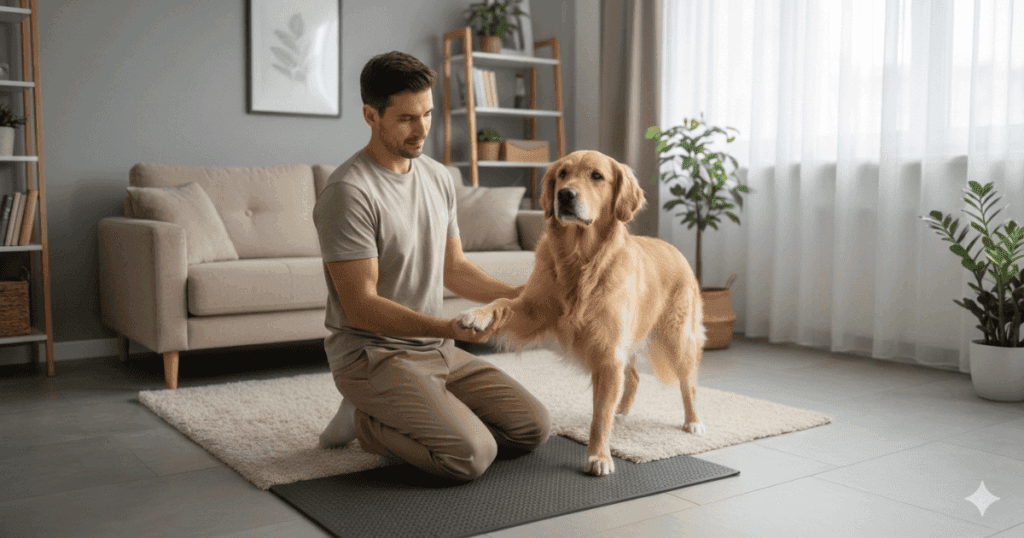
Ideally, your dog should be:
- Calm
- In a quiet environment
- On a non-slip surface
- Slightly warmed up, such as after a short walk
Avoid stretching when your dog is overly excited, deeply asleep, or immediately after meals.
Flooring is especially important. Slippery surfaces increase the risk of muscle strain and discomfort.
Simple Stretches for Beginners
The main rule is simple: gentle, slow movements without forcing range of motion.
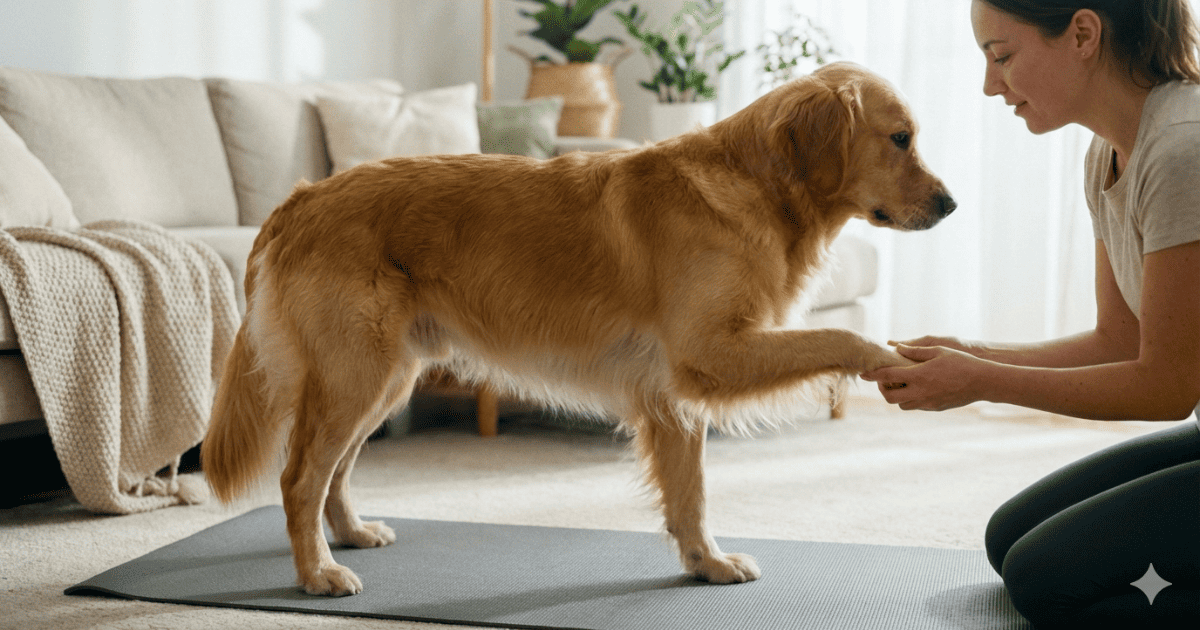
Front Leg Stretch
With your dog standing, gently hold one front paw and extend it slightly forward.
Hold for about five seconds, then slowly release.
Repeat two to three times on each side.
This movement helps improve shoulder mobility and relieve minor muscle tension.
Back Leg Stretch
Gently hold the back leg and move it slightly backward, maintaining natural alignment.
Hold for a few seconds and release without sudden movements.
This exercise supports hip mobility and activates the rear muscle group.
Side Stretch Using a Treat
Use a healthy treat to encourage your dog to turn their head gently to each side.
This natural movement activates neck and trunk muscles without direct manipulation.
It is an excellent option for dogs who are not yet fully comfortable with prolonged physical handling.
How Long Should a Session Last?
For beginners, less is more.
- Five to ten minutes is enough
- Two to three times per week
- Always observing signs of comfort
The goal is not intensity. It is consistency.
Over time, your dog will likely relax more during sessions, allowing for slightly broader movements while still respecting their limits.
How to Tell If It Is Working
Several signs indicate that stretching is being performed correctly:
✔ Your dog remains calm
✔ There is no sudden pulling away
✔ Breathing stays normal
✔ The dog appears relaxed after the session
If you notice resistance, discomfort, or repeated attempts to escape, stop and try again another day.
The Connection Between Stretching and Joint Health
Even in beginner dogs, maintaining joint health early helps reduce future risks.
In addition to stretching, proper nutrition and complementary care support mobility over time.
For dogs that already show sensitivity, light strengthening exercises and low-impact therapies may be beneficial, as explained here:
https://pautamix.com/hydrotherapy-dogs-arthritis/
A balanced routine combined with regular veterinary checkups builds a solid foundation for healthy aging.
Common Mistakes When Starting a Stretching Routine
Avoiding simple mistakes can prevent unnecessary discomfort.
- Forcing range of motion
- Stretching a cold dog without warming up
- Making sessions too long
- Ignoring signs of pain
- Exercising on slippery flooring
The key is gentleness and careful observation.
Making the Experience More Comfortable
A few strategies can help your dog accept the new routine more easily:
- Use positive reinforcement with natural treats
- Choose times when your dog is naturally calmer
- Maintain a soft and reassuring tone of voice
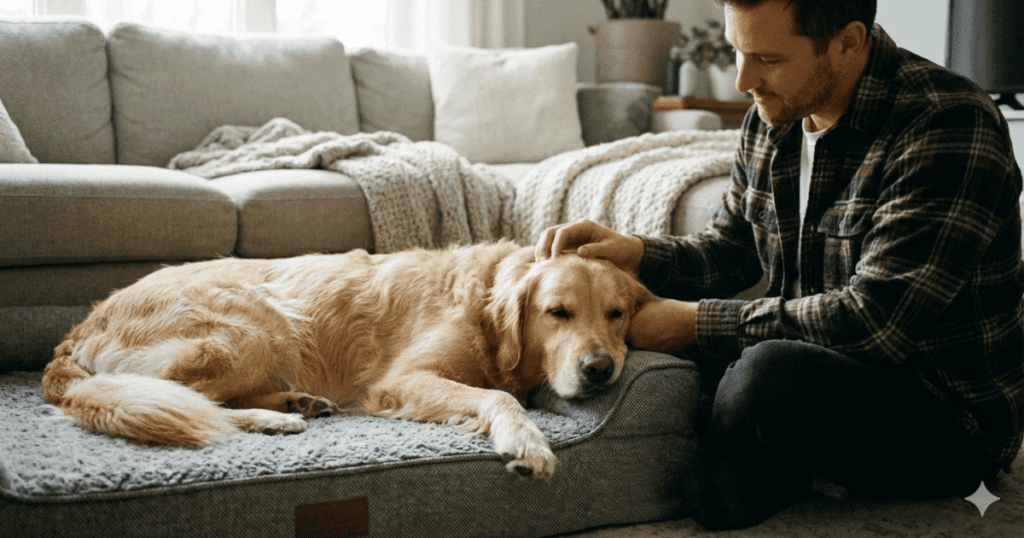
- Always finish with affection or light play
Creating a positive association encourages long-term consistency.
When to Seek Professional Guidance
Even though these are simple stretches, consult a veterinarian if your dog:
- Shows pain when touched
- Displays limping
- Has a history of injuries
- Is going through an intense growth phase
Dogs diagnosed with arthritis or hip dysplasia should always receive professional guidance before beginning any stretching or manipulation routine.
Building a Healthy Routine from the Start
Starting a safe stretching routine is an investment in your dog’s future health.
With short sessions, the right environment, and gentle movements, you help improve mobility, prevent injuries, and enhance overall quality of life.
Consistency, observation, and respect for your dog’s pace are essential.
Small actions today can make a significant difference tomorrow.