
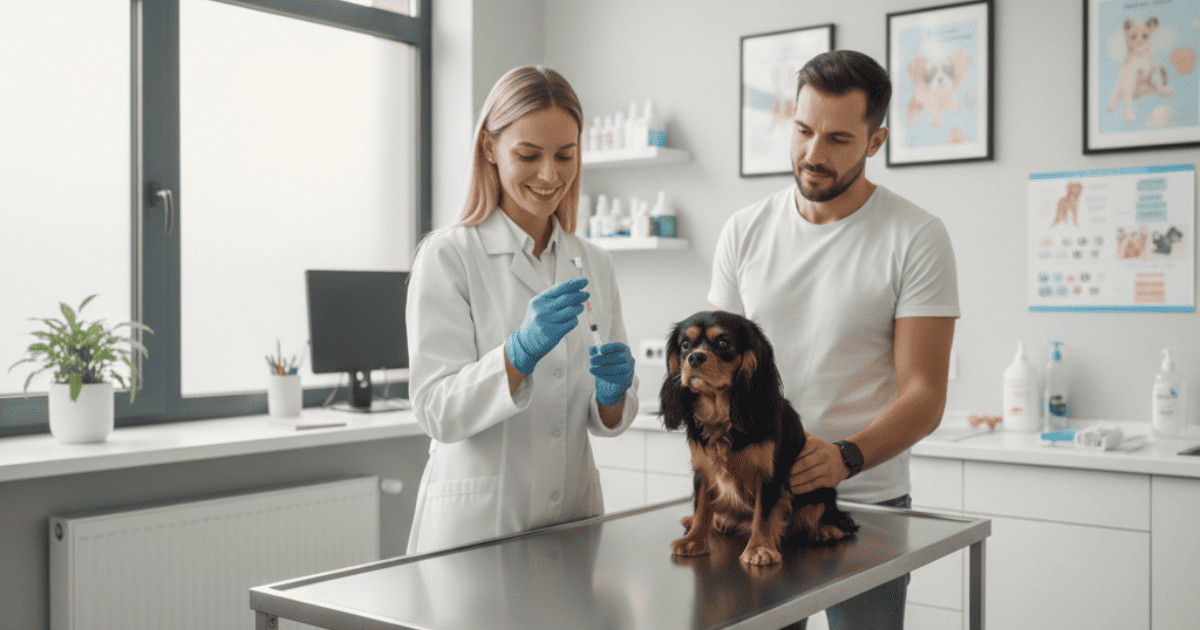
Why keeping vaccines up to date is essential even for dogs living exclusively indoors.
Why Vaccination for Apartment Dogs Is Essential
Many guardians believe that dogs living exclusively indoors are naturally protected from infectious diseases. After all, they do not roam freely, dig in backyards, or interact daily with unfamiliar animals.
However, this assumption can create a false sense of security.
Vaccination for apartment dogs is just as important as for dogs living in houses or spending more time outdoors. Even without long walks, indoor pets remain exposed to viruses, bacteria, and parasites that can enter the home in subtle and unexpected ways.
Shoes, clothing, delivery packages, elevator floors, shared building spaces, and visitors can unknowingly carry pathogens. Some viruses are extremely resistant in the environment, meaning that minimal exposure may be enough to cause infection.
Keeping your dog’s vaccination schedule updated is one of the most effective ways to protect their health, avoid preventable suffering, and reduce the risk of costly emergency treatments.

Do Apartment Dogs Really Have Lower Exposure?
Apartment living does reduce certain risks, such as contact with stray animals or contaminated soil. However, it does not eliminate biological exposure.
For example:
- Parvovirus can survive on surfaces for months.
- Leptospirosis can spread through contaminated water or rodent urine, even in urban buildings.
- Distemper spreads through airborne exposure in shared environments.
Elevators, building entrances, sidewalks, grooming salons, and veterinary waiting rooms are all potential exposure points.
This is why vaccination for apartment dogs should never be postponed or treated as optional. Vaccines prepare the immune system to recognize and fight pathogens before they cause severe illness.
Beyond individual protection, proper vaccination helps reduce community outbreaks in shared residential environments.
How Vaccines Protect Your Dog’s Immune System
Vaccines work by safely stimulating the immune system to recognize specific viruses or bacteria.
When vaccinated:
- The body produces antibodies.
- The immune system creates memory cells.
- Future exposure triggers a faster and stronger defense response.
This preventive strategy dramatically lowers the severity of disease or prevents infection entirely.
According to veterinary preventive care principles, maintaining core vaccinations significantly reduces hospitalization rates related to viral infections in dogs.
In other words, vaccination for apartment dogs is not just preventive. It is protective at a biological level.
Essential Vaccines for Apartment Dogs
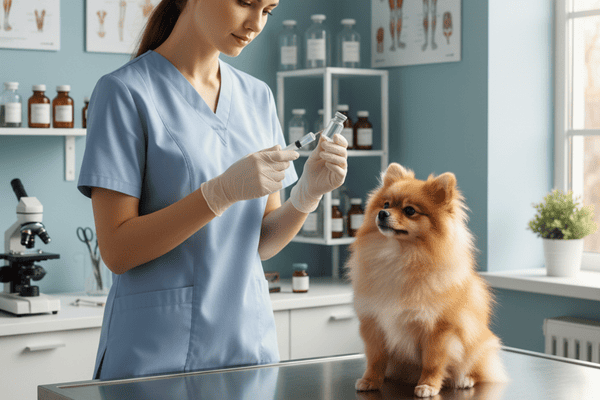
Core Vaccines
Core vaccines are considered essential regardless of lifestyle.
V8 or V10 Vaccine
Protects against:
- Distemper
- Parvovirus
- Infectious canine hepatitis
- Parainfluenza
- Leptospirosis
These diseases can be severe and sometimes fatal. Even minimal environmental exposure may be enough for infection.
Rabies Vaccine
In many countries, rabies vaccination is legally required. Rabies is a fatal viral disease that can also be transmitted to humans, making it a serious public health issue.
Even apartment dogs must receive this vaccine according to local regulations.
Non-Core Vaccines (Depending on Lifestyle)
A veterinarian may recommend additional vaccines based on local risks and your dog’s routine.
Giardia Vaccine
May be suggested in areas with higher incidence rates.
Kennel Cough (Bordetella or Canine Influenza)
Recommended for dogs that:
- Visit pet daycares
- Stay in boarding facilities
- Attend grooming salons frequently
- Interact with other dogs in parks or shared green spaces
Even short elevator interactions in apartment buildings may justify this protection in some cases.
The Ideal Vaccination Schedule
The exact plan for vaccination for apartment dogs should always be determined by a licensed veterinarian. However, general guidelines include:
Puppies
- First dose between 6–8 weeks of age
- Booster doses every 3–4 weeks
- Final dose around 16 weeks
Puppies have immature immune systems, making early vaccination critical. vulnerable.
Adult Dogs
Adult Dogs
After completing the puppy series:
- Annual boosters, or
- According to updated veterinary protocols depending on vaccine type
Skipping boosters reduces immunity over time.
Senior Dogs
Senior dogs still require vaccination. Frequency may be adjusted depending on:
- Overall health condition
- Chronic illnesses
- Immune system status
Age alone is not a reason to discontinue vaccination.
For updated vaccination guidelines and preventive care recommendations, consult trusted veterinary organizations such as the American Kennel Club (AKC).
➡️ See also: How to Create an Agility Training Routine for Anxious Beginner Dogs
Common Mistakes Guardians Make
Even responsible owners may unintentionally compromise protection.
1. Assuming Indoor Dogs Do Not Need Vaccines
This is the most frequent and risky misconception.
2. Skipping Booster Doses
Incomplete schedules weaken immunity and increase vulnerability.
3. Avoiding Regular Veterinary Checkups
Vaccination visits are opportunities to assess:
- Weight
- Dental health
- Early disease signs
- Parasite control
4. Following Outdated Information
Vaccination protocols evolve. Always rely on updated veterinary guidance.
Beyond Vaccines: A Complete Preventive Plan
Vaccination for apartment dogs works best when combined with a broader preventive approach.
Regular Deworming
Even indoor dogs can develop internal parasites. Routine exams and scheduled deworming help maintain digestive and systemic health.
Flea and Tick Prevention
Parasites may enter apartments through clothing, other pets, or shared building areas. Preventive treatments are essential.
Oral Hygiene
Small-breed apartment dogs are particularly prone to dental disease. Proper oral care supports overall health.
➡️ Related content: Dental Hygiene for Small Dogs
Public Health and Community Responsibility
Vaccination is not solely an individual decision. It directly impacts:
- Other pets in the building
- Neighbors
- Children
- Immunocompromised individuals
Diseases like rabies and leptospirosis have zoonotic potential, meaning they can be transmitted from animals to humans.
By maintaining vaccination for apartment dogs, guardians contribute to a safer residential community.
Frequently Asked Questions
Can indoor dogs skip vaccines?
No. Indoor living reduces exposure but does not eliminate risk. Vaccination remains essential.
How often should apartment dogs receive boosters?
Typically once a year, but schedules may vary depending on the vaccine and veterinary recommendations.
Are vaccines safe for small apartment dogs?
Yes. Vaccines approved for veterinary use undergo strict safety testing. Mild reactions may occur but serious complications are rare.
The Guardian’s Responsibility
Living in an apartment requires intentional preventive care. Space may be limited, but health protection must be comprehensive.
Keeping vaccines updated demonstrates responsibility and commitment to your dog’s well-being.
Each vaccine dose represents:
- Prevention of avoidable suffering
- Reduced emergency risks
- Lower long-term medical expenses
- Peace of mind
Consistent vaccination for apartment dogs is one of the most effective long-term investments in preventive health.
When combined with balanced nutrition, safe exercise, parasite control, and regular veterinary visits, it ensures a longer, healthier, and more secure life indoors.