

Author name: Gil Rodrigues

I am a writer specialized in content about dogs. With a passion for understanding canine behavior, I dedicate myself to writing articles that help pet owners take better care of their dogs. My focus is on sharing practical, easy-to-apply tips, always aiming to provide a healthier and happier life for dogs.

Gil Rodrigues
Physical Therapy for Senior Dogs: How It Helps Manage Arthritis
Care

Physical Therapy for Senior Dogs: How It Helps Manage Arthritis

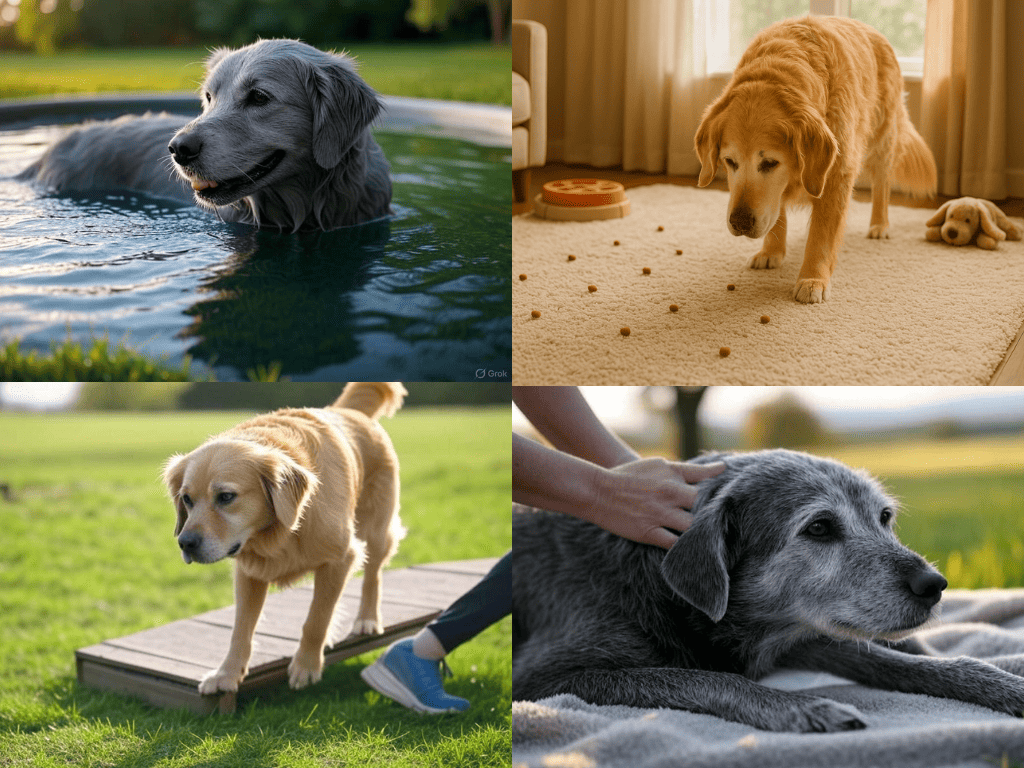
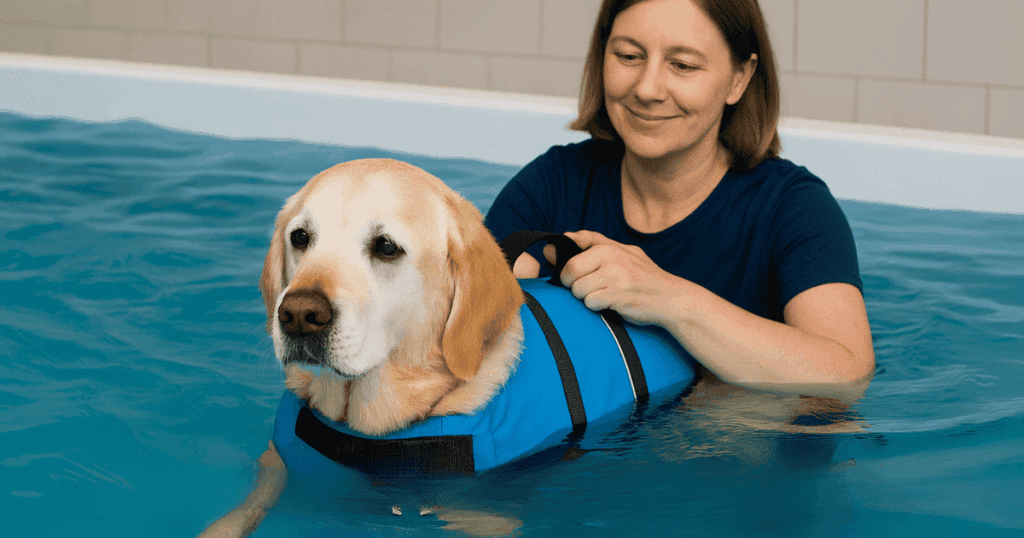
Discover how targeted physical therapy techniques can reduce pain, improve mobility, and help senior dogs with arthritis live more comfortably and actively. Arthritis, a degenerative joint condition, is prevalent among senior dogs, leading to chronic pain, stiffness, and reduced mobility that can diminish their daily joy. Pet owners are increasingly turning to non-invasive solutions to manage this condition. Physical therapy stands out as a powerful tool, complementing medications by improving mobility, strengthening muscles, and alleviating joint discomfort. This article explores the benefits of physical therapy for senior dogs with arthritis, when to start, and the most effective techniques to enhance their quality of life. For more preventive strategies, check out our guide on how to prevent arthritis from getting worse in senior dogs. Understanding Arthritis in Senior Dogs Arthritis results from the gradual breakdown of joint cartilage, causing bone-on-bone friction, inflammation, and pain, often in hips, knees, or shoulders. By integrating therapy into a holistic care plan, you can help your dog maintain an active, comfortable life despite arthritis. What Is Canine Physical Therapy? Canine physical therapy involves therapeutic practices tailored to address musculoskeletal issues, particularly in aging dogs with arthritis. Working with a licensed canine physical therapist ensures these methods are applied effectively. Benefits of Physical Therapy for Dogs with Arthritis Physical therapy offers multiple advantages for arthritic dogs: These benefits make physical therapy a vital component of arthritis management. Common Physical Therapy Techniques for Arthritic Dogs Several evidence-based techniques are tailored to the dog’s arthritis severity: These techniques, guided by professionals, provide safe, effective relief. When to Start Physical Therapy Timing is critical for maximizing therapy benefits: Early action ensures better outcomes for your dog’s comfort. Key Considerations for Starting Therapy Ensure therapy is safe and effective with these steps: These considerations help create a safe, tailored therapy experience. Tips to Help Your Dog Enjoy Physical Therapy Make therapy a positive experience with these strategies: Consistency and positivity enhance your dog’s engagement and progress. Combining Therapy with Other Treatments Physical therapy works best as part of a broader plan: Consult your vet to integrate these elements effectively. Frequently Asked Questions How often should my dog have physical therapy? Start with 1–2 sessions weekly, adjusting based on vet advice and your dog’s response. Can I do physical therapy at home without a professional? Yes, for gentle stretches or massages, but follow a therapist’s guidance to avoid injury. What if my dog seems uncomfortable during therapy? Stop immediately, consult your therapist, and adjust the intensity or technique. Conclusion Physical therapy offers a non-invasive, effective way to manage arthritis in senior dogs, reducing pain, improving mobility, and enhancing their quality of life. Techniques like therapeutic exercises, hydrotherapy, and massage, when guided by professionals and supported at home, can make a significant difference. If your dog shows signs of joint discomfort, consult your vet to incorporate physical therapy into their care plan. Share your experiences in the comments and help other pet parents support their furry friends in their golden years!

How to Prevent Arthritis from Getting Worse in Senior Dogs
Care

How to Prevent Arthritis from Getting Worse in Senior Dogs

Learn practical, vet-approved strategies to slow arthritis progression, reduce joint pain, and help your senior dog stay active, comfortable, and independent for longer. Arthritis is a frequent inflammatory condition in senior dogs, affecting joints with pain, stiffness, and mobility challenges that can diminish their quality of life. As of 07:00 PM -03 on Thursday, May 22, 2025, pet owners are increasingly focused on preventive care to manage this progressive disease. While there’s no cure, adopting gentle, practical strategies can slow arthritis progression, enhance comfort, and support an active lifestyle. This article provides actionable tips—ranging from weight control to home adjustments—to help your senior dog thrive with less pain. For additional support, explore our guide on natural supplements for dogs with arthritis. Understanding Arthritis in Older Dogs Arthritis arises from cartilage degradation, leading to bone friction, inflammation, and discomfort, commonly in hips, knees, and elbows of aging dogs. With consistent habits and veterinary oversight, you can manage arthritis effectively, keeping your dog comfortable in their golden years. Maintain a Healthy Weight Excess weight exacerbates joint strain, accelerating arthritis progression and intensifying pain. Maintaining a healthy weight is a cornerstone of arthritis prevention. Include Low-Impact Exercise Regular, gentle exercise strengthens muscles, boosts circulation, and eases stiffness without overloading joints. For gentle movement options, check our article on hydrotherapy as a safe exercise for dogs with arthritis. Support with Joint Supplements Supplements bolster joint health, reduce inflammation, and slow arthritis progression. Supplements enhance preventive care when paired with professional advice. Make the Home Safer and More Comfortable A tailored home environment minimizes strain and prevents injuries that worsen arthritis. These changes create a safer, arthritis-friendly living space. Schedule Regular Vet Visits Routine veterinary care is critical for early detection and management of arthritis progression. Regular check-ups ensure proactive care tailored to your dog’s needs. Manage Pain and Inflammation Effectively Controlling pain and inflammation prevents joint deterioration and supports activity. Effective management keeps your dog active and comfortable. Tips for Long-Term Prevention Sustain preventive efforts with these habits: These steps ensure ongoing care and comfort. Frequently Asked Questions How often should I weigh my arthritic dog? Check weight monthly or at vet visits to adjust diet and prevent joint strain. Can swimming replace walks for my dog? Yes, if approved by a vet, as it’s gentler on joints, but variety is ideal. What if my dog resists supplements? Try mixing with food or using flavored options, and consult a vet for alternatives. Conclusion Preventing arthritis from worsening in senior dogs involves maintaining a healthy weight, incorporating low-impact exercise, using joint supplements, adapting the home, scheduling vet visits, and managing pain effectively. These strategies, guided by veterinary care, slow progression, reduce discomfort, and enhance mobility, allowing your dog to enjoy their golden years with joy. Start with small changes, monitor progress, and share your tips in the comments! For more guidance, explore our guide on how to recognize signs of pain in senior dogs with arthritis.

Natural Supplements for Dogs with Arthritis
Care

Natural Supplements for Dogs with Arthritis: Boswellia Serrata, Cinnamon, Collagen, and Antioxidant Vitamins

Discover how Boswellia Serrata, Ceylon cinnamon, collagen, and antioxidant vitamins can naturally reduce inflammation, support joint health, and improve mobility in senior dogs with arthritis. Arthritis is a widespread condition in dogs, particularly seniors, leading to joint inflammation, stiffness, and pain that diminish mobility and quality of life. While conventional treatments like anti-inflammatory drugs and physical therapy offer relief, natural supplements are gaining popularity for their gentle approach to supporting joint health. This article delves into four effective natural supplements—Boswellia Serrata, cinnamon, collagen, and antioxidant vitamins—that reduce inflammation and ease joint pain in dogs with arthritis. By integrating these with a supportive care routine, you can help your furry friend thrive. For additional support strategies, explore our guide on how to choose the right shoes for dogs with arthritis. Understanding the Role of Natural Supplements in Canine Arthritis Care Arthritis in dogs stems from cartilage wear, causing painful joint inflammation that worsens with age. Conventional treatments can have side effects, prompting pet owners to seek natural alternatives. Supplements like Boswellia Serrata, cinnamon, collagen, and antioxidant vitamins work by reducing inflammation, supporting cartilage, and combating oxidative stress, offering a safer long-term option. These supplements are most effective when paired with lifestyle adjustments, such as gentle exercise and a joint-friendly diet. 1. Boswellia Serrata: A Natural Anti-Inflammatory Powerhouse Boswellia Serrata, a resin from the Boswellia tree, is a staple in Ayurvedic medicine known for its potent anti-inflammatory properties. Boswellia offers a natural way to manage arthritis symptoms, supporting active aging. 2. Cinnamon: More Than Just a Spice Cinnamon, particularly Ceylon cinnamon, provides anti-inflammatory and antioxidant benefits, making it a surprising ally for arthritic dogs. Cinnamon is a safe, tasty option when used correctly, enhancing joint comfort. 3. Collagen: The Joint Building Block Collagen, a key structural protein, supports cartilage and joint flexibility, which decline with age in dogs. Collagen supports long-term joint health, improving your dog’s mobility. 4. Antioxidant Vitamins: Protecting Joints from Oxidative Damage Antioxidant vitamins, including vitamin C, vitamin E, and beta-carotene, neutralize free radicals that accelerate joint deterioration in arthritis. Antioxidants play a vital role in maintaining joint integrity and reducing pain. A Holistic Approach: Combine with Lifestyle Changes Natural supplements shine when integrated with supportive care strategies: Veterinary consultation ensures these combinations are safe and effective for your dog. Safety and Veterinary Guidance Using supplements requires careful consideration to avoid risks. Professional oversight maximizes benefits while minimizing potential issues. Frequently Asked Questions How long does it take to see results from these supplements? Improvements, like reduced stiffness or better mobility, may take 4–8 weeks with consistent use. Consult a vet for realistic timelines. Can I give all these supplements together? Yes, with vet approval. Common combinations include collagen with antioxidants, but avoid overloading to prevent interactions. Are there risks with natural supplements? Overdosing or low-quality products can cause digestive issues or toxicity. Always follow vet-recommended dosages and source from trusted brands. Conclusion Natural supplements like Boswellia Serrata, cinnamon, collagen, and antioxidant vitamins offer a gentle, effective way to reduce inflammation and ease joint pain in dogs with arthritis. When combined with lifestyle changes like stretches, hydrotherapy, and proper nutrition, these options enhance mobility and comfort. Consult your veterinarian to tailor a safe regimen for your dog, ensuring they enjoy more active, pain-free days. Share your experiences with these supplements in the comments! For more care tips, explore our guide on how to recognize signs of pain in senior dogs with arthritis.

How to Recognize Signs of Pain in Senior Dogs with Arthritis
Care

How to Recognize Signs of Pain in Senior Dogs with Arthritis

Learn how to identify behavioral, physical, and mobility changes that may indicate arthritis pain in senior dogs and discover when to seek veterinary support. Arthritis is a common condition in senior dogs, causing joint inflammation, stiffness, and chronic pain that can deeply affect their quality of life. As joint cartilage wears down, simple activities like walking, playing, or standing become challenging, often leading to emotional distress. Recognizing signs of pain in senior dogs with arthritis is crucial for early intervention, enabling you to provide relief and improve their comfort. Dogs often mask pain, making it essential to spot subtle changes in behavior, movement, and health. This article explores key signs of arthritis-related pain and offers guidance to help your dog live more comfortably. For additional care strategies, check our guide on gentle massage techniques for senior dogs. Understanding Arthritis in Senior Dogs Arthritis results from cartilage deterioration, leading to bone-on-bone contact, inflammation, and pain, typically in hips, knees, elbows, or spines of senior dogs. Identifying pain early allows for timely care adjustments, such as environmental changes, supplements, or veterinary treatments, ensuring your dog’s comfort and happiness in their golden years. Behavioral Changes Behavioral shifts are often the first indicators of arthritis-related pain in senior dogs. Adjusting their routine, like shortening walks or adding supportive bedding, can help. Veterinary advice ensures these changes align with your dog’s needs. Changes in Movement and Posture Arthritis pain often alters how senior dogs move and hold themselves, providing visible clues. Supportive tools like ramps or orthopedic beds can ease movement. For additional relief, explore our guide on hydrotherapy: a safe exercise for dogs. Pain-Related Vocalizations Dogs may express discomfort through sounds, ranging from subtle to overt. Recognizing these vocal cues prompts early intervention, such as consulting a vet for pain management options. Changes in Appetite and Drinking Habits Pain can impact eating and drinking, especially if accessing bowls is difficult. Place bowls in accessible spots and monitor intake. If appetite loss persists, a vet visit is crucial to address underlying pain or health issues. Physical Signs of Discomfort Physical symptoms often accompany arthritis pain, requiring close observation. These signs often benefit from natural remedies. For options, see our guide on natural supplements for senior dogs with arthritis. When to See a Veterinarian Professional care is essential to confirm pain causes and tailor treatment. Regular vet visits ensure your dog’s care plan evolves with their needs, maximizing comfort. Tips for Supporting Your Dog Beyond recognizing pain, proactive steps can improve your dog’s well-being: These adjustments, paired with veterinary care, help your dog live more comfortably. Frequently Asked Questions How can I tell if my dog’s behavior changes are due to pain or aging? Pain-related changes often include limping, vocalizing, or avoiding touch, while aging alone might cause gradual slowing without these signs. A vet can confirm the cause. What should I do if I notice swelling in my dog’s joints? Swelling indicates inflammation. Consult a vet immediately for anti-inflammatory treatments or diagnostic tests to address the issue. Can pain cause long-term behavioral changes in my dog? Yes, chronic pain can lead to lasting withdrawal or aggression if untreated. Early intervention and pain management can prevent this. Conclusion Recognizing signs of pain in senior dogs with arthritis—whether behavioral shifts, movement changes, vocalizations, or physical symptoms—is vital for their well-being. Early identification allows for timely veterinary care, environmental adjustments, and treatments that ease discomfort and improve quality of life. Stay observant, consult a vet regularly, and provide compassionate support to ensure your senior dog enjoys their golden years with dignity and comfort. Share your experiences in the comments!

How to Choose the Right Shoes for Dogs with Arthritis and Walking Difficulties
Equipment and Accessories

How to Choose the Right Shoes for Dogs with Arthritis and Walking Difficulties

Discover how to choose supportive, non-slip, and comfortable shoes that improve traction, reduce joint impact, and help senior dogs walk safely with arthritis. Arthritis is a prevalent condition in senior dogs, causing chronic joint inflammation, pain, and stiffness that hinder mobility and daily activities. For dogs with arthritis, walking on slippery or uneven surfaces can be painful and risky, increasing the chance of falls. Properly fitted dog shoes offer a practical solution, reducing joint impact, improving traction, and protecting paws. This guide explores the benefits of arthritis-friendly shoes, key features to look for, and tips to help your dog adjust, ensuring safer, more comfortable walks. For complementary care, explore our guide on 8 tips to improve the quality of life for senior dogs. Understanding Arthritis in Senior Dogs Arthritis results from cartilage wear in joints, leading to bone-on-bone contact, inflammation, and pain, often affecting hips, knees, and elbows in senior dogs. Dog shoes address these challenges by providing support and stability, encouraging gentle movement to maintain joint health. Veterinary guidance ensures shoes suit your dog’s specific needs, maximizing comfort and safety. Benefits of Shoes for Dogs with Arthritis Arthritis-friendly dog shoes are designed to enhance mobility and comfort, offering multiple advantages: These benefits make shoes a valuable tool for arthritis management, complementing broader care strategies. Key Features to Look for in Arthritis-Friendly Dog Shoes Choosing the right shoes ensures comfort and functionality for your arthritic dog. Focus on these features: These features ensure shoes support your dog’s mobility and well-being. Recommended Types of Shoes Different shoe types cater to specific arthritis-related needs, offering tailored support: Choosing the right type depends on your dog’s environment and mobility challenges. Tips to Help Your Dog Adjust to Wearing Shoes Introducing shoes requires patience to ensure your dog feels comfortable and confident. These steps help your dog adapt, making shoes a seamless part of their routine. For additional mobility support, see our guide on hydrotherapy: a safe exercise for dogs. Special Considerations When Using Dog Shoes To maximize benefits and avoid issues, keep these considerations in mind: These precautions ensure shoes remain a safe, effective tool for arthritis management. Alternatives to Dog Shoes for Mobility Support If shoes aren’t suitable, other options can enhance mobility and safety: These alternatives complement shoes, creating a supportive environment. For pain relief techniques, explore our guide on simple stretching exercises for senior dogs. Veterinary Guidance Consulting a veterinarian ensures shoes and alternatives align with your dog’s arthritis severity and health needs. Veterinary input maximizes the effectiveness of mobility support, keeping your dog comfortable. Frequently Asked Questions How do I know if dog shoes fit properly? Shoes should be snug but not tight, with no slipping or rubbing. Your dog should walk naturally without lifting paws excessively. Measure paws and check fit after short walks. Can all arthritic dogs wear shoes? Most can, but dogs with severe pain or skin sensitivities may need alternatives like socks. Consult a vet to confirm suitability. How long should my dog wear shoes daily? Use shoes for walks or high-risk activities (e.g., 15–30 minutes), removing them during rest to allow paw ventilation. Conclusion Choosing the right shoes for dogs with arthritis can transform their mobility and comfort, making walks safer and more enjoyable. By prioritizing proper fit, soft materials, non-slip soles, and easy closures, you can support your dog’s joint health and confidence. Introduce shoes gradually, monitor for comfort, and consider alternatives like rugs or harnesses if needed. With veterinary guidance and thoughtful care, your senior dog can navigate their world with greater ease and happiness. Share your experiences with dog shoes in the comments!

Natural Supplements for Senior Dogs with Arthritis
Care

Natural Supplements for Senior Dogs with Arthritis: Relieve Pain and Support Joint Health

Discover 7 safe and effective natural supplements that reduce inflammation, relieve joint pain, and help senior dogs move with more comfort and mobility. Arthritis is a prevalent condition in senior dogs, causing joint pain, stiffness, and reduced mobility that can diminish their quality of life. While medications help, many pet owners seek natural supplements for a safer, long-term approach to manage symptoms. Supplements like Omega-3, turmeric, glucosamine, Boswellia, cinnamon, collagen, and vitamin E offer anti-inflammatory and joint-supportive benefits. This article explores seven natural supplements to ease pain and boost mobility, helping your aging dog thrive. For complementary care, explore our guide on best diet for dogs with arthritis to enhance joint health through nutrition. Understanding Arthritis in Senior Dogs Arthritis results from cartilage breakdown in joints, leading to painful bone-on-bone contact and inflammation, often affecting hips, knees, and elbows in senior dogs. Natural supplements provide a gentle way to reduce inflammation, support cartilage, and improve comfort. Veterinary guidance ensures safe, effective use, tailoring supplements to your dog’s needs for optimal joint health and well-being. 1. Omega-3 Fatty Acids: Anti-Inflammatory Support Omega-3 fatty acids, particularly EPA and DHA, are powerful anti-inflammatory agents found in fish oil, krill oil, or algae-based supplements. Omega-3s are a cornerstone of arthritis management, promoting freer movement. 2. Turmeric (Curcumin): Nature’s Anti-Inflammatory Turmeric’s active compound, curcumin, offers strong anti-inflammatory and antioxidant properties. Turmeric provides a natural, effective option for long-term arthritis relief. 3. Glucosamine and Chondroitin: Cartilage Support Glucosamine and chondroitin are widely used to maintain joint health and slow arthritis progression. These supplements are ideal for proactive joint care, enhancing mobility. 4. Boswellia Serrata: Herbal Anti-Inflammatory Boswellia serrata, or Indian frankincense, is a traditional herb with potent anti-inflammatory effects. Boswellia offers a natural alternative for inflammation control, supporting active aging. 5. Cinnamon: Therapeutic Spice Ceylon cinnamon provides anti-inflammatory and antioxidant benefits, aiding arthritic dogs. For related care strategies, see our guide on ideal environment for senior dogs with arthritis. Cinnamon is a tasty, safe addition to an arthritis care regimen. 6. Collagen Supplements: Joint Structure Support Collagen, essential for joint strength, declines with age, affecting flexibility. Collagen supports long-term joint health, improving your dog’s activity levels. 7. Vitamin E and Antioxidants: Oxidative Stress Relief Antioxidant vitamins like E, C, and A combat oxidative stress, which exacerbates arthritis. For additional relief techniques, explore our guide on 5 simple stretches for senior dogs. Antioxidants enhance arthritis care, promoting comfort and vitality. Safety and Veterinary Guidance Natural supplements are powerful but require careful use to ensure safety. Veterinary oversight ensures supplements enhance your dog’s health without risks. Frequently Asked Questions How long do supplements take to show results? Improvements, like reduced stiffness or better mobility, may appear in 4–8 weeks with consistent use. Consult a vet for expectations. Can I combine multiple supplements? Yes, with vet approval. Common combinations include glucosamine with Omega-3s or turmeric, but avoid overloading to prevent interactions. Are there risks with natural supplements? Overdosing or low-quality products can cause digestive upset or toxicity. Always follow vet guidance and choose trusted brands. Conclusion Natural supplements like Omega-3, turmeric, glucosamine, Boswellia, cinnamon, collagen, and vitamin E offer a gentle, effective way to relieve pain and support joint health in senior dogs with arthritis. By reducing inflammation and protecting cartilage, these supplements enhance mobility and quality of life. Work closely with your veterinarian to select safe, tailored options and monitor progress. With the right care, your senior dog can enjoy their golden years with comfort and joy. Share your supplement experiences in the comments!


Best Diet for Dogs with Arthritis: Foods That Help Reduce Inflammation
Care

Best Diet for Dogs with Arthritis: Foods That Help Reduce Inflammation

Learn how an anti-inflammatory diet rich in omega-3s, lean proteins, and antioxidants can help reduce joint pain and improve mobility in dogs with arthritis. Arthritis is a prevalent condition in senior dogs, causing joint pain, stiffness, and reduced mobility that can diminish their quality of life. A well-balanced, anti-inflammatory diet for dogs with arthritis can significantly ease symptoms, improve comfort, and enhance overall well-being. By incorporating foods rich in omega-3s, antioxidants, and lean proteins, you can help manage inflammation and support joint health. This article explores the best dietary choices, supplements, and practical tips to optimize your dog’s nutrition, ensuring a happier, more active life. For complementary care strategies, check our guide on how to adjust the care routine for senior dogs. Why Diet Matters for Dogs with Arthritis Arthritis results from cartilage breakdown in joints, leading to painful bone-on-bone contact and inflammation. This condition, common in senior dogs, affects areas like hips, knees, and elbows, making movement challenging. An anti-inflammatory diet reduces joint swelling, protects cartilage, and supports mobility. Nutrient-rich foods can slow arthritis progression, complementing other care routines. Veterinary guidance ensures dietary changes are safe and effective, tailored to your dog’s needs. The Role of Anti-Inflammatory Foods Anti-inflammatory foods are key to managing arthritis symptoms, offering natural relief through specific nutrients: Incorporating these into your dog’s diet, under veterinary supervision, enhances comfort and mobility. For more on arthritis care, see our guide on 8 tips to improve the quality of life for senior dogs. Omega-3 Fatty Acids: Fish and Fish Oil Omega-3 fatty acids are powerful anti-inflammatory agents that improve joint function and mobility. Adding omega-3s to meals can significantly alleviate arthritis discomfort, promoting freer movement. Antioxidant-Rich Fruits and Vegetables Antioxidants combat inflammation and cellular damage, offering joint protection and immune support. These foods add variety and nutrition, enhancing your dog’s diet and well-being. Lean Proteins and Fish-Based Protein Lean proteins support muscle mass, crucial for stabilizing arthritic joints, without contributing to weight gain. Choosing lean proteins ensures your dog stays strong and active without joint strain. High-Fiber Foods for Weight Control A healthy weight is critical for arthritis management, as excess pounds increase joint pressure and pain. Fiber helps maintain an ideal weight, easing arthritis symptoms and improving comfort. Joint Support Supplements: Glucosamine and Chondroitin Supplements like glucosamine and chondroitin enhance dietary efforts for joint health. Supplements, paired with diet, offer comprehensive arthritis care under professional guidance. Foods to Avoid Certain foods can exacerbate inflammation or contribute to weight gain, worsening arthritis symptoms. Avoiding these foods ensures a joint-friendly diet, supporting your dog’s health. Practical Tips for Changing Your Dog’s Diet Implementing a new diet requires care to ensure success and comfort. For more on safe arthritis management, see our guide on tips to prevent injuries when exercising dogs. These steps ensure a smooth dietary shift, enhancing your dog’s comfort and mobility. Frequently Asked Questions How soon will a new diet improve my dog’s arthritis? Improvements vary, but reduced stiffness or better mobility may appear in 4–8 weeks with consistent diet changes. Consult a vet for expectations. Can I prepare homemade meals for my arthritic dog? Yes, with vet approval. Include lean proteins, omega-3s, and vegetables, ensuring balanced nutrients and proper portions. Are commercial arthritis diets effective? Many are formulated with joint-supportive ingredients, but check labels and consult a vet to ensure quality and suitability. Conclusion A well-planned diet for dogs with arthritis can transform their comfort and quality of life. By incorporating anti-inflammatory foods like omega-3s, antioxidants, lean proteins, and fiber, and avoiding harmful ingredients, you can reduce joint pain and boost mobility. Work closely with your veterinarian to tailor the diet, monitor progress, and include supplements as needed. With love and care, your senior dog can enjoy their golden years with greater ease and happiness. Share your dietary tips in the comments!

Ideal Environment: How to Adapt Your Home for a Senior Dog with Arthritis
Care, Health and Wellness

Ideal Environment: How to Adapt Your Home for a Senior Dog with Arthritis

Simple home modifications like orthopedic beds, non-slip flooring, and ramps can reduce joint pain, prevent falls, and improve daily comfort for senior dogs with arthritis. Arthritis is a common condition in senior dogs, causing joint pain, stiffness, and reduced mobility that can hinder their daily comfort. Adapting your home for a senior dog with arthritis is crucial to ease pain, prevent injuries, and enhance their quality of life. Simple changes, like supportive bedding, safe flooring, and ramps, can make your home a haven of comfort and accessibility. This article explores practical ways to create a safe, supportive environment, ensuring your furry friend thrives in their golden years. For complementary care, explore our guide on fun and safe low-impact games for dogs with arthritis to keep your dog engaged. Understanding Arthritis in Senior Dogs Arthritis, an inflammatory joint condition, results from cartilage wear, often due to aging, causing bones to rub together and trigger pain and swelling. It commonly affects hips, knees, elbows, and spines in senior dogs. Adapting your home minimizes these challenges, supporting mobility and comfort. Veterinary guidance ensures adjustments align with your dog’s specific needs, enhancing their well-being. Creating Comfortable Resting Areas Rest is essential for arthritic dogs to recover and manage joint pain. A supportive bed can significantly improve sleep quality and reduce stiffness. A peaceful resting area helps ease arthritis symptoms, fostering relaxation and recovery. Preventing Accidents with Home Adjustments Arthritic dogs are prone to slips, trips, or falls due to mobility limitations. Safety-focused home adjustments reduce these risks and boost confidence. These adjustments create a stable environment, supporting your dog’s independence and security. Using Ramps and Steps for Easier Access Jumping strains arthritic joints, so ramps and steps offer low-impact alternatives for accessing elevated surfaces. Ramps and steps enhance mobility, preserving your dog’s favorite routines safely. Controlling Temperature for Joint Comfort Temperature affects arthritis pain, with cold worsening stiffness and heat causing fatigue. Temperature control supports joint health, enhancing daily comfort for arthritic dogs. Mental and Physical Stimulation in a Safe Environment Stimulation keeps arthritic dogs happy and healthy, but activities must be low-impact to avoid pain. For water-based options, check our guide on hydrotherapy: a safe exercise for dogs (slug:/hydrotherapy-dogs-arthritis). These activities promote joy and health in a secure, arthritis-friendly environment. Frequently Asked Questions How can I make home adjustments on a budget? Use affordable non-slip rugs, repurpose cushions as beds, or build DIY ramps from sturdy boards. Focus on safety and accessibility. Can indoor activities replace outdoor exercise? They can supplement but not fully replace outdoor movement. Short sniff walks provide unique stimulation, but indoor games work well on bad weather days. What if my dog refuses to use a ramp? Introduce it slowly with treats and patience. If resistance persists, consult a vet to check for pain or mobility issues affecting usage. Conclusion Adapting your home for a senior dog with arthritis transforms their daily experience, offering comfort, safety, and independence. Supportive beds, non-slip flooring, ramps, temperature control, and safe stimulation create an ideal environment that eases pain and boosts well-being. Observe your dog’s needs, make gradual changes, and consult a veterinarian for tailored advice. With these thoughtful adjustments, your furry friend can enjoy their golden years with dignity and joy. Share your home adaptation tips in the comments!

8 Tips to Improve the Quality of Life for Senior Dogs with Arthritis
Care

8 Tips to Improve the Quality of Life for Senior Dogs with Arthritis

Discover 8 practical and vet-approved tips to reduce joint pain, improve mobility, and help your senior dog with arthritis live more comfortably and happily. Introduction Arthritis is a common condition in senior dogs, causing joint pain, stiffness, and reduced mobility that can affect their daily joy. While arthritis is not curable, thoughtful care can significantly enhance the quality of life for senior dogs with arthritis. Simple adjustments in their routine, environment, and diet can ease discomfort and promote happiness. This article shares eight practical tips—from supportive bedding to gentle exercise and veterinary care—to help your furry friend thrive in their golden years. For related strategies, explore our guide on how to adjust the care routine for senior dogs for comprehensive arthritis management. Understanding Arthritis in Senior Dogs Arthritis results from joint cartilage wear, often due to aging, leading to inflammation, pain, and stiffness. It commonly affects weight-bearing joints like hips, knees, and elbows, making movements like standing, walking, or climbing stairs difficult. Proactive care, including tailored routines and veterinary support, helps manage symptoms, keeping your dog comfortable and active. Observing your dog’s behavior ensures adjustments meet their unique needs. 8 Tips to Enhance Quality of Life These practical tips support your senior dog’s comfort, mobility, and happiness while living with arthritis. 1. Provide a Soft, Supportive Bed A comfortable bed is essential for arthritic dogs to rest well and relieve joint pressure. 2. Use Non-Slip Rugs on Smooth Floors Slippery surfaces like tile or hardwood increase fall risks for dogs with limited mobility. 3. Keep a Steady Daily Routine Consistency reduces stress and helps arthritic dogs feel secure. 4. Offer Gentle Exercise Daily Light exercise maintains muscle tone and joint flexibility without strain. For specific exercise ideas, see our guide on the role of exercise in maintaining mobility. 5. Maintain a Healthy Weight Excess weight worsens joint pain by adding stress to arthritic areas. 6. Try Joint Supplements (With Vet Approval) Supplements can support joint health and reduce inflammation. 7. Make Daily Tasks Easier Home adjustments simplify tasks, reducing joint stress during routine activities. 8. Keep Your Vet Involved Regular veterinary care ensures ongoing arthritis management. For exercise-specific tips, check our article on safe walks for senior dogs with arthritis. Emotional and Mental Well-Being Beyond physical care, emotional support enhances your dog’s quality of life. These efforts maintain emotional balance, ensuring your dog feels loved and secure. Frequently Asked Questions How can I tell if my dog’s arthritis is worsening? Watch for increased limping, reluctance to move, or behavioral changes like irritability. Consult a vet for assessment and adjustments. Are there affordable ways to adapt my home? Yes, use budget-friendly rugs for traction, repurpose cushions as beds, or build DIY ramps from sturdy boards. Can supplements replace veterinary treatments? No, supplements complement but don’t replace vet-recommended treatments. Always consult a vet before starting them. Conclusion Improving the quality of life for senior dogs with arthritis is achievable with thoughtful care. By providing supportive bedding, non-slip surfaces, a steady routine, gentle exercise, proper nutrition, supplements, home adjustments, and veterinary care, you can ease your dog’s discomfort and boost their happiness. Pay attention to their signals, adjust as needed, and work with a vet to ensure a tailored plan. With love and dedication, your furry friend can enjoy their golden years with comfort and joy. Share your care tips in the comments!

How to Adjust the Care Routine for Senior Dogs with Arthritis
Care

How to Adjust the Care Routine for Senior Dogs with Arthritis

Learn how simple, vet-approved adjustments can reduce joint pain, improve mobility, and help your senior dog with arthritis stay active and comfortable every day. Introduction Arthritis is a common challenge for senior dogs, causing joint pain, stiffness, and reduced mobility that can impact their quality of life. Adapting the care routine for senior dogs with arthritis is essential to ensure comfort, support health, and maintain happiness. From tailored exercise and home modifications to nutrition and emotional care, small changes can make a significant difference. This guide provides practical tips to help you create a supportive routine, enhancing your dog’s well-being. For related strategies, explore our guide on 5 exercises to improve flexibility in senior dogs to boost mobility safely. Understanding Arthritis in Senior Dogs Arthritis, an inflammatory joint condition, affects many senior dogs due to cartilage wear, trauma, or genetics, targeting areas like hips, knees, and spines. It leads to: Adapting your dog’s care routine—through exercise, diet, and environmental changes—helps manage symptoms and supports a comfortable, active life. Veterinary guidance ensures these adjustments align with your dog’s specific needs, maximizing their quality of life. Recognize Your Dog’s Specific Needs Each senior dog with arthritis has unique limitations, shown through signs like: Observing these cues helps tailor care. For example, replace long walks with shorter, frequent outings to maintain mobility without strain. At home, place food, water, and beds in easily accessible spots to minimize effort. Regular monitoring ensures the routine evolves with your dog’s comfort and capabilities, fostering independence and well-being. Gentle and Consistent Exercise Exercise is vital for dogs with arthritis, strengthening muscles, improving circulation, and reducing stiffness. Gentle activities ensure benefits without joint stress. Consistent, low-impact exercise enhances mobility and comfort, keeping your dog active and engaged. Home Environment Adjustments A safe, comfortable home supports your arthritic dog’s mobility and rest. These modifications create a joint-friendly environment, promoting independence and safety. For example, a ramp to a favorite couch can restore your dog’s ability to relax comfortably. Proper Nutrition and Joint Supplements A balanced diet supports senior dogs with arthritis, addressing slower metabolisms and joint health needs. Proper nutrition and supplements enhance joint health, complementing physical care for lasting comfort. Regular Massage and Stretching Massage and stretching relieve muscle tension, improve circulation, and boost flexibility, enhancing your dog’s comfort and bond with you. These sessions promote physical relief and emotional connection, making care a nurturing experience. Veterinary Monitoring and Physical Therapy Regular veterinary care ensures effective arthritis management. Professional support maximizes your dog’s comfort and vitality, tailoring care to their evolving needs. Emotional Comfort and Mental Well-Being Emotional health is crucial for arthritic senior dogs, as pain can cause stress or withdrawal. These efforts maintain emotional balance, reinforcing your dog’s sense of security and happiness. Frequently Asked Questions How often should I exercise my arthritic senior dog? Aim for 2–3 short sessions (10–15 minutes) daily, like walks or stretching, adjusting based on your dog’s comfort. Consult a vet for guidance. Can I make home adjustments on a budget? Yes, use affordable rugs for traction, DIY ramps from sturdy boards, or repurpose cushions as beds. Focus on accessibility and safety. What if my dog seems depressed due to arthritis? Increase companionship, try gentle play, or consult a vet for pain management or behavioral support to boost mood. Conclusion Adapting the care routine for senior dogs with arthritis enhances their comfort and quality of life. Through gentle exercise, home modifications, proper nutrition, massage, veterinary care, and emotional support, you can help your dog thrive despite arthritis. Observe their signals, adjust as needed, and work with a veterinarian to ensure ongoing care. With love and attention, your senior dog can enjoy a happy, active life. Share your care tips in the comments!

Scroll to Top