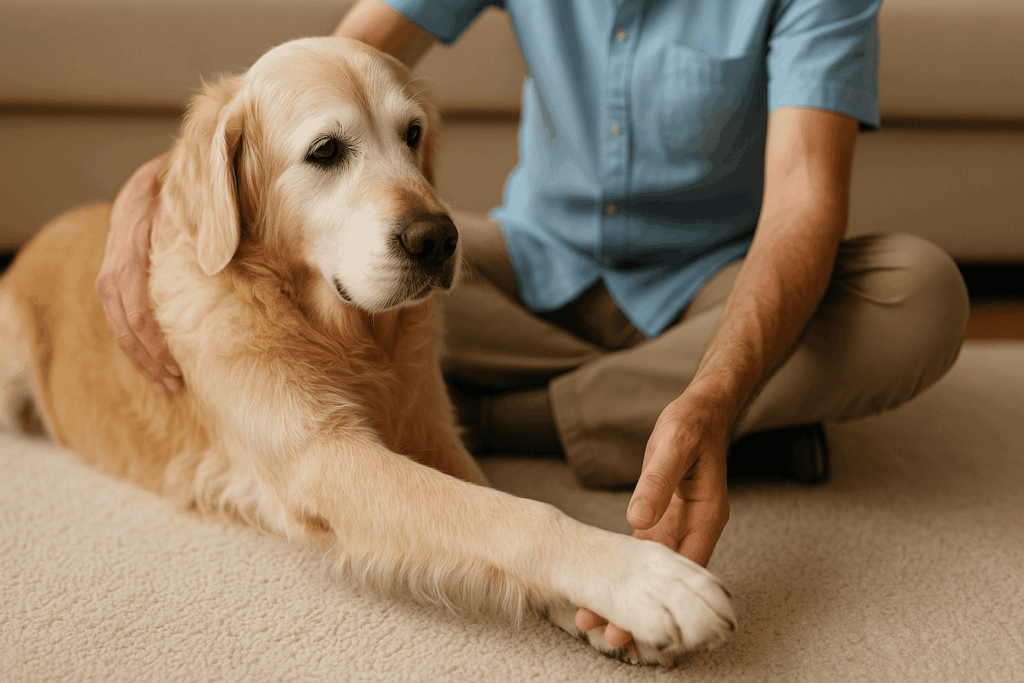
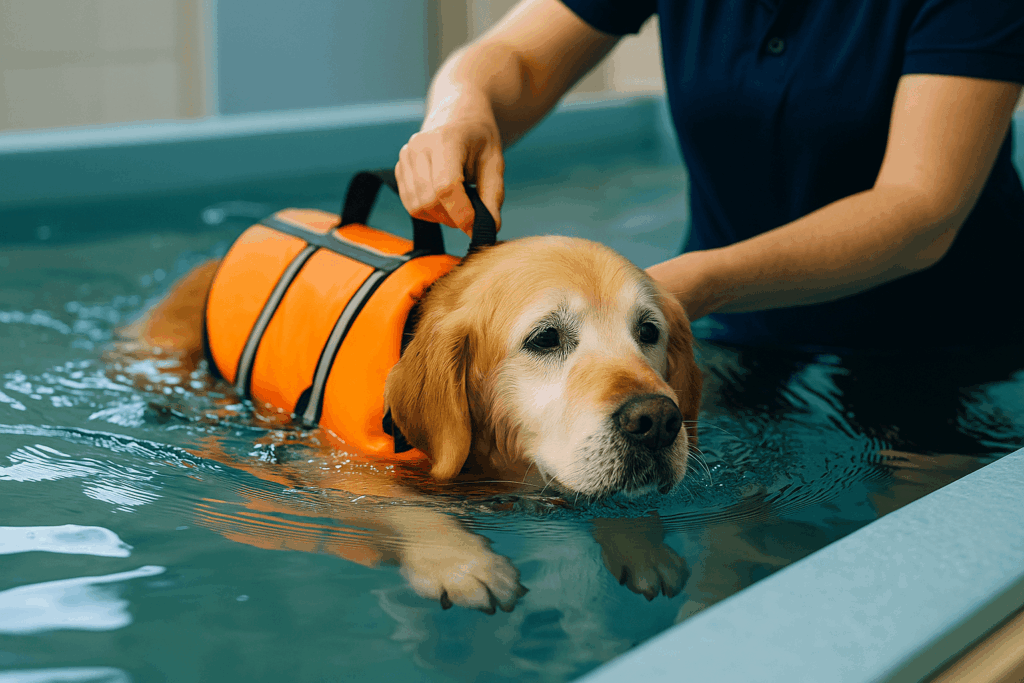
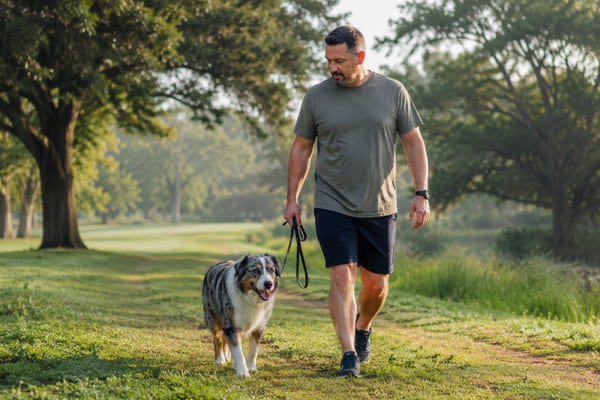
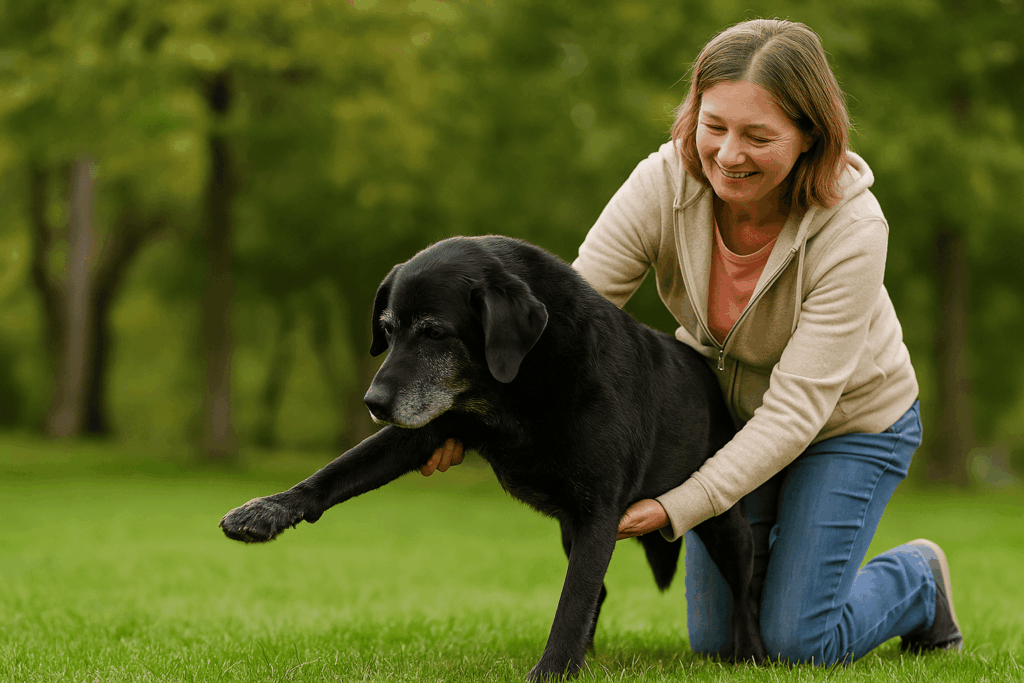
How gentle walking routines help senior dogs with arthritis stay mobile, healthy, and comfortable. Understanding Safe Walks for Senior Dogs with Arthritis However, safe walks for senior dogs with arthritis remain one of the most important ways to maintain mobility and overall health. Gentle, well-planned walks help keep joints flexible, strengthen muscles that support the body, and improve emotional well-being. When walks are adapted to a dog’s physical condition, they can reduce stiffness and encourage movement without worsening pain. The key is to focus on shorter sessions, comfortable environments, and careful observation of your dog’s energy levels. With the right approach, daily walks can remain an enjoyable and beneficial routine for dogs living with arthritis. Why Walking Is Important for Dogs with Arthritis Regular movement plays a crucial role in managing arthritis symptoms. When dogs stop moving due to pain or discomfort, their muscles weaken and joints become even stiffer. Safe walking routines provide several important benefits. Maintains Joint Mobility Gentle walking helps keep joints moving and prevents them from becoming too stiff. Regular movement supports normal joint function and can make everyday movement easier over time. Strengthens Muscles Strong muscles support the joints and reduce the pressure placed on arthritic areas. Walking helps maintain muscle tone without requiring intense physical effort. Supports Healthy Weight Excess body weight puts additional stress on painful joints. Regular short walks help burn calories and maintain a healthy body condition. 👉 Learn more about the role of movement in arthritis management:The Role of Exercise in Maintaining Mobility in Senior Dogs with Arthritis Improves Mental Well-Being Walks provide mental stimulation, new smells, and outdoor experiences. This helps reduce boredom and stress that may occur when dogs become less active due to arthritis. Seven Tips for Safe and Comfortable Walks Adjusting your walking routine can make a significant difference in how comfortable your senior dog feels during outdoor activity. 1. Choose Soft, Even Surfaces Whenever possible, select walking areas with softer surfaces such as grass, dirt trails, or park paths. Hard concrete sidewalks create stronger impact with each step, which may increase discomfort for arthritic joints. Soft surfaces help cushion the body and reduce stress on the legs. Examples of ideal locations include: 2. Keep Walks Short and Frequent Senior dogs with arthritis usually tolerate multiple short walks better than one long outing. Instead of a single long walk, consider: This routine keeps joints moving while preventing fatigue. Shorter sessions also make it easier to monitor how your dog is feeling and adjust the pace if needed. 3. Start With a Gentle Warm-Up Just like people, dogs benefit from warming up before exercise. Begin each walk with a slow pace for the first minute or two. This allows muscles to loosen and joints to prepare for movement. You can also include light stretching before walks. 👉 Discover gentle stretching exercises:5 Simple Stretches for Senior Dogs to Relieve Arthritis Pain After the walk, slow down again for a brief cool-down to reduce stiffness. 4. Monitor Weather Conditions Temperature can significantly affect dogs with arthritis. Cold weather may increase joint stiffness, while excessive heat can cause fatigue and dehydration. To keep your dog comfortable: If the weather is harsh, shorter indoor activity sessions may be a safer alternative. 5. Use a Supportive Harness A supportive harness distributes pressure more evenly across the body compared to a collar. This helps reduce strain on the neck and spine while giving you better control if your dog needs assistance. Some harnesses are specifically designed for senior dogs and provide additional support for mobility. 👉 Learn more about supportive mobility equipment:Benefits of Using Support Vests for Dogs with Arthritis Using the right equipment can make walks safer and more comfortable. A comfortable surface and relaxed pace can make outdoor movement easier for an arthritic senior dog. 6. Watch for Signs of Fatigue or Pain Observing your dog’s behavior during walks is essential. Stop or shorten the walk if you notice: These signs may indicate that your dog is tired or experiencing discomfort. Recognizing these signals early helps prevent overexertion. 7. Keep a Consistent Walking Routine Consistency is more beneficial than occasional long walks. Regular short walks help maintain muscle strength and prevent joints from becoming stiff. Dogs also feel more comfortable when they follow predictable daily routines. Try walking at the same time each day, such as morning and early evening. Making Walks Enjoyable for Senior Dogs Walking should always remain a positive experience for your dog. A relaxed pace, familiar routes, and gentle encouragement can help maintain enthusiasm for outdoor activity. Simple ways to make walks more enjoyable include: Small positive experiences keep dogs mentally engaged and motivated to stay active. Veterinary Guidance for Safe Walking Routines Every dog experiences arthritis differently. Consulting a veterinarian helps ensure that your walking routine matches your dog’s health needs. A veterinarian may recommend: In some cases, additional therapies may also support mobility, such as hydrotherapy or physical rehabilitation. Professional guidance ensures that your dog stays active without placing excessive stress on sensitive joints. Knowing when to slow down and allow recovery is an important part of safe exercise for dogs with arthritis. Helping Your Senior Dog Stay Active and Comfortable Safe walks for senior dogs with arthritis remain one of the most effective ways to maintain mobility and quality of life. By choosing soft walking surfaces, keeping sessions short, and observing your dog’s comfort level, you can create a routine that supports both physical and emotional health. With patience, consistency, and proper veterinary guidance, daily walks can continue to be a joyful part of life for senior dogs living with arthritis.