How hydrotherapy helps reduce joint pain, improve mobility, and support a healthier life for dogs with arthritis.
Understanding Therapeutic Swimming for Dogs with Arthritis
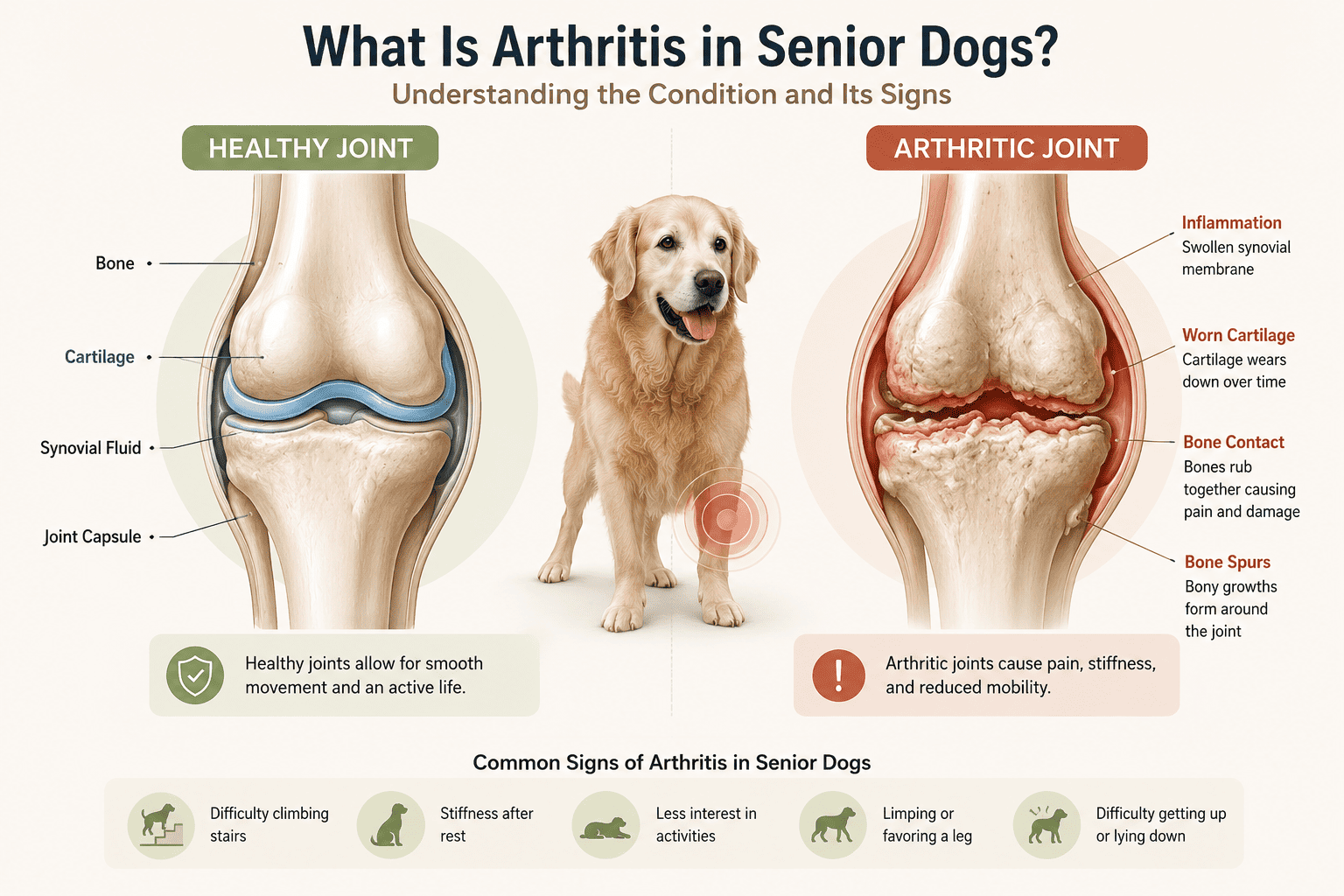
Arthritis is a common condition in senior dogs and often causes joint pain, stiffness, and reduced mobility that can interfere with daily activities.
Therapeutic swimming for dogs with arthritis offers a gentle and effective way to relieve discomfort while improving strength and flexibility. Water supports the body naturally, allowing dogs to exercise without placing excessive pressure on painful joints.
Because it is a low-impact activity, hydrotherapy has become one of the most recommended complementary therapies for dogs dealing with arthritis.
In this guide, you will learn how therapeutic swimming works, its main benefits, essential safety guidelines, and how it can become part of a safe arthritis care routine for your dog.
What Is Therapeutic Swimming for Dogs?
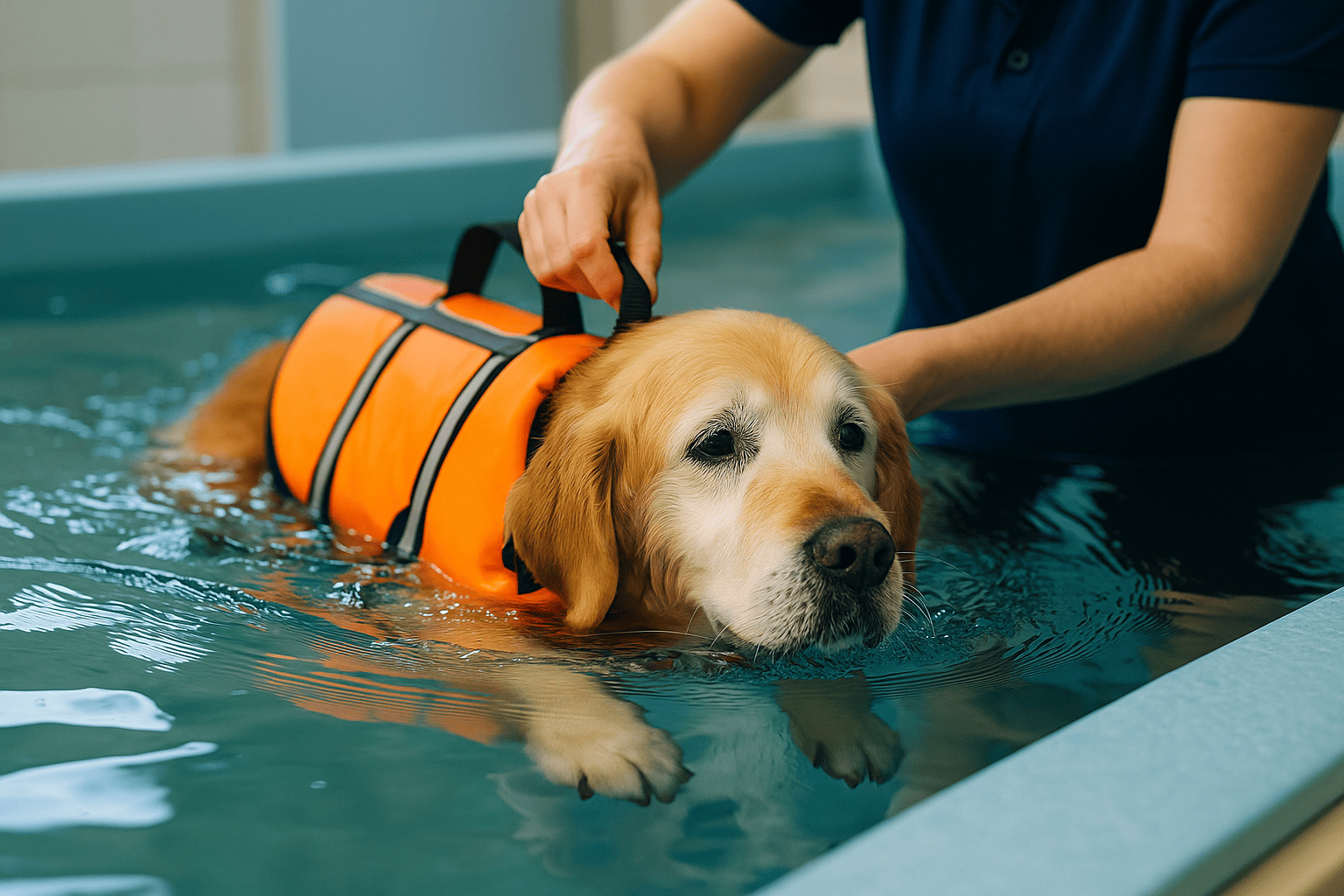
Therapeutic swimming, also known as canine hydrotherapy, is a structured aquatic exercise designed to help dogs with arthritis, injuries, or mobility limitations.
Unlike casual swimming, therapeutic sessions are carefully controlled and usually include:
- temperature-controlled pools
- professional supervision
- exercises adapted to the dog’s physical condition
Water provides three important therapeutic elements.
Buoyancy
Reduces body weight pressure on joints and allows smoother movement.
Resistance
Water resistance strengthens muscles without causing joint impact.
Warmth
Warm water relaxes stiff muscles and helps improve circulation.
Because of these combined effects, therapeutic swimming allows dogs with arthritis to exercise safely while protecting their joints.tic swimming for dogs with arthritis a powerful tool for managing symptoms and improving mobility.
Key Benefits of Therapeutic Swimming
Regular hydrotherapy sessions can improve both the physical health and emotional well-being of dogs with arthritis.
Pain and Inflammation Relief
Water buoyancy reduces joint compression and allows smoother, more comfortable movement.
Muscle Strengthening
Swimming builds muscles that support joints and helps stabilize the body.
Improved Mobility and Flexibility
Consistent sessions can increase range of motion and help dogs move more easily when walking or climbing stairs.
Weight Management
Swimming burns calories without joint impact. Maintaining a healthy weight is essential for dogs with arthritis.
Mental and Emotional Well-Being
Exercise releases endorphins that help improve mood and reduce stress linked to chronic pain.
For many dogs, hydrotherapy becomes an important part of a broader arthritis management plan.
Improve joint mobility further with gentle exercise adaptations:
🔗How to Safely Adapt Exercises for Senior Dogs with Arthritis
Safety Guidelines for Therapeutic Swimming
Hydrotherapy is generally safe, but proper precautions ensure the best results.
1. Get Veterinary Approval
Always consult your veterinarian before starting therapeutic swimming.
A professional evaluation helps determine:
- if swimming is appropriate
- the recommended frequency
- possible physical limitations
2. Choose Specialized Facilities
Therapeutic pools designed for dogs provide a safer environment.
Look for facilities that offer:
- warm water between 82–90°F (28–32°C)
- non-slip ramps for safe entry
- trained staff supervision
Avoid unsupervised environments such as lakes or regular backyard pools.
3. Start Slowly
Dogs new to hydrotherapy should begin with shorter sessions.
Recommended starting point:
- 10 to 15 minutes per session
- 2 to 3 sessions per week
Gradually increase duration as your dog gains strength.
4. Use Safety Equipment
Canine life vests help maintain buoyancy and provide extra safety.
Support dogs with mobility challenges during physical activity:
🔗Benefits of Using Support Vests for Dogs with Arthritis
When Therapeutic Swimming May Not Be Suitable
Although beneficial for many dogs, hydrotherapy is not recommended in some situations.
Swimming may not be appropriate for dogs with:
- severe heart conditions
- respiratory disorders
- open wounds or infections
- extreme joint instability
A veterinarian should always evaluate these risks before therapy begins.eme fatigue, confusion, or unusual behavior during or after swimming, stop immediately and consult your vet.
Signs Your Dog May Be Uncomfortable in the Water
Careful observation during sessions helps prevent overexertion.
Stop the session if you notice:
- excessive panting
- shivering
- difficulty staying afloat
- sudden stiffness
- reluctance to continue
If symptoms persist after swimming, consult your veterinarian.
Learn how to monitor your dog’s physical condition and pain signals:
🔗How to Recognize Signs of Pain in Senior Dogs with Arthritis
Real-Life Improvements from Hydrotherapy
Many dog owners report visible improvements after a few weeks of regular therapeutic swimming.
Common changes include:
- reduced joint stiffness
- improved mobility
- increased energy levels
- greater willingness to walk or play
Some dogs that previously struggled to climb stairs or take longer walks regain these abilities when hydrotherapy becomes part of their routine.
Combine hydrotherapy with other safe exercise options:
🔗The Role of Exercise in Maintaining Mobility in Senior Dogs with Arthritis
Helping Your Dog Stay Active and Comfortable
Therapeutic swimming for dogs with arthritis is a safe and effective low-impact activity that helps reduce pain, strengthen muscles, and improve mobility.
By supporting the body through water buoyancy, hydrotherapy allows dogs to remain active without placing extra stress on sensitive joints.
With proper veterinary guidance and professional supervision, swimming can become an important part of a long-term arthritis management routine.
For many senior dogs, this gentle exercise restores comfort, confidence, and a better quality of life.