

What Is the Best Daily Routine for a Dog with Arthritis?
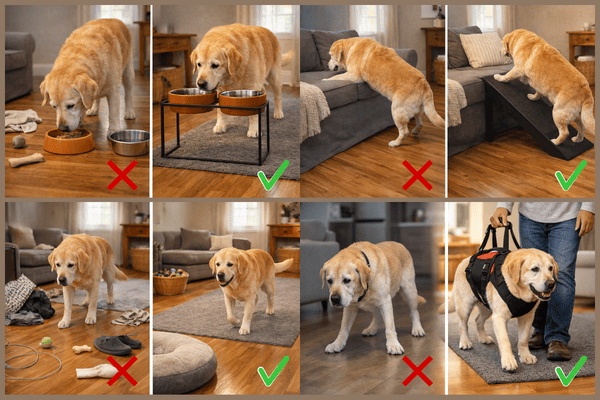
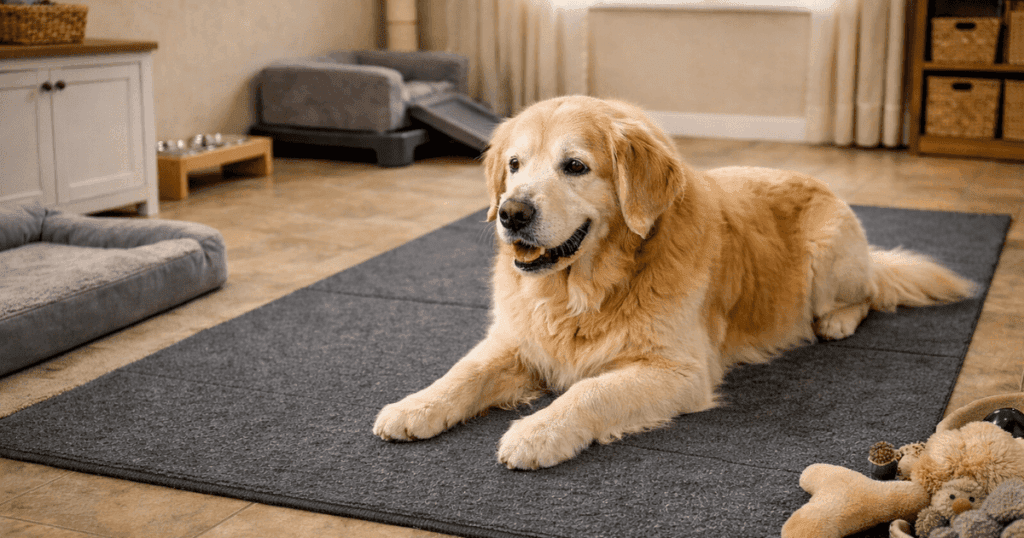
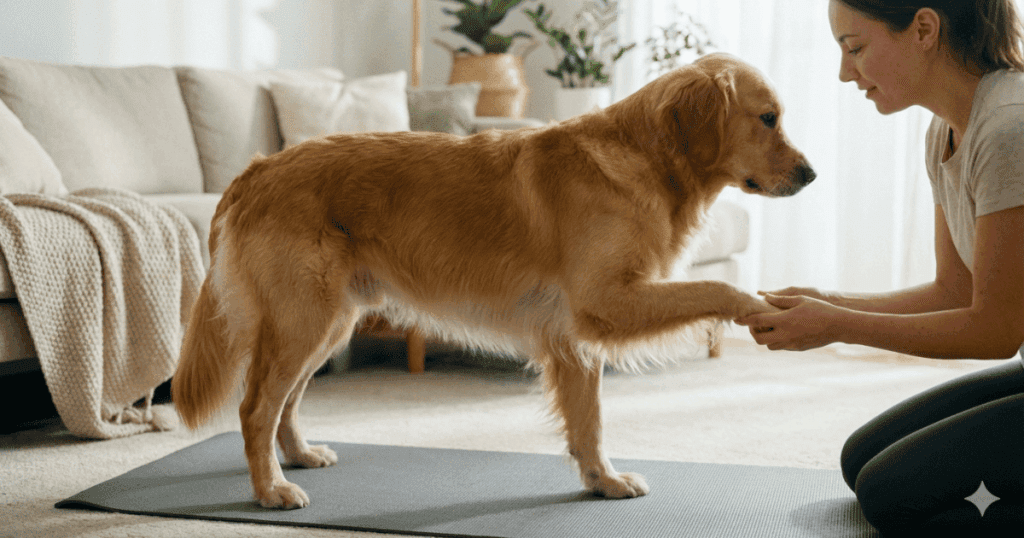
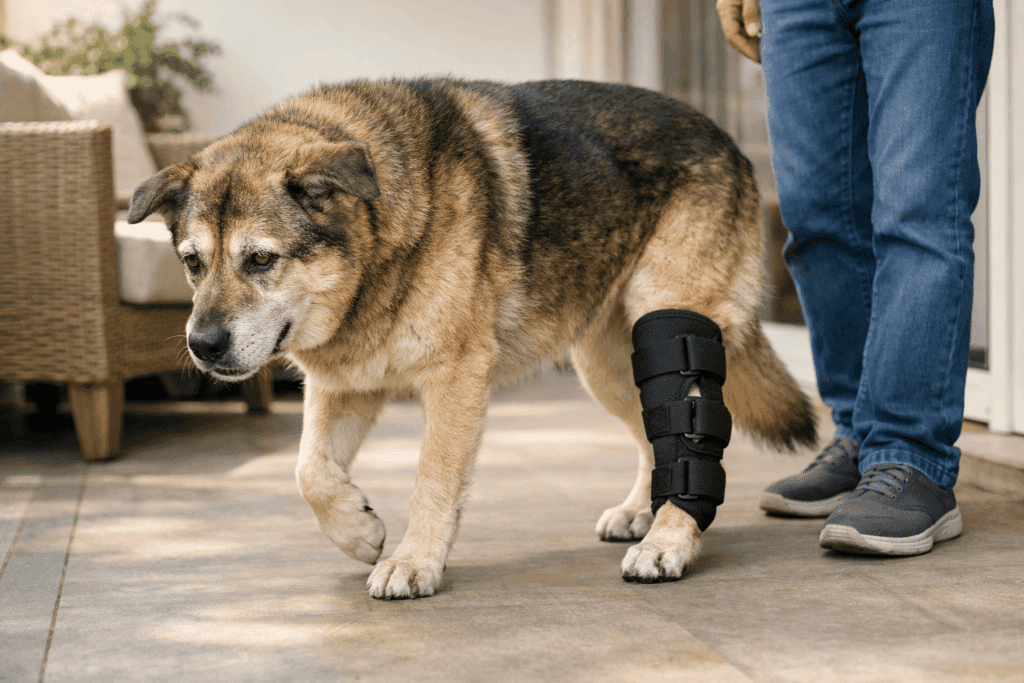
Discover the best daily routine for a dog with arthritis to reduce pain, improve mobility, and keep your senior dog comfortable and active throughout the day. Creating a consistent daily routine is one of the most effective ways to manage arthritis in dogs. With the right balance of movement, rest, and care, you can significantly improve your dog’s comfort and quality of life. Understanding what is the best daily routine for a dog with arthritis helps reduce stiffness, prevent pain flare-ups, and support long-term joint health. What Is the Best Daily Routine for a Dog with Arthritis? The best daily routine for a dog with arthritis includes gentle exercise, scheduled rest periods, a comfortable environment, proper nutrition, and consistent support throughout the day. A structured routine helps reduce joint stiffness, improves mobility, and keeps your dog physically and mentally engaged. Why Routine Matters for Dogs with Arthritis Dogs with arthritis benefit greatly from consistency. Sudden changes in activity levels can worsen stiffness and discomfort. A predictable routine helps: Even small daily habits can make a big difference over time. Morning Routine: Start the Day Gently Mornings are often the most challenging time for dogs with arthritis due to stiffness after rest. Key actions: Improve movement safety:🔗How to Prepare Your Home for a Senior Dog with Arthritis Midday Routine: Keep Movement Light and Consistent At midday, your dog is usually more comfortable and mobile. This is the best time for: Avoid intense activity. Consistency is more important than intensity. Learn safe activities:🔗Fun and Safe Low-Impact Games for Dogs with Arthritis Evening Routine: Relax and Recover As the day ends, focus on helping your dog relax and recover. Recommended actions: How Much Exercise Does a Dog with Arthritis Need? Dogs with arthritis need regular but low-impact exercise, typically 15 to 30 minutes per session, depending on their condition. Short, frequent walks are more beneficial than long, intense activity, as they help maintain mobility without overloading the joints. Signs the Routine Is Working A good routine should lead to noticeable improvements. Watch for: Understand pain signals:🔗How to Recognize Signs of Pain in Senior Dogs with Arthritis Common Mistakes in Daily Care Avoid these routine mistakes: Consistency is key to managing arthritis effectively. The Role of Diet and Weight Control Maintaining a healthy weight reduces pressure on joints. A proper diet can: According to veterinary experts, maintaining a healthy weight and providing controlled, low-impact exercise are essential for managing arthritis in dos. Learn more:🔗https://vcahospitals.com/know-your-pet/arthritis-in-dogs/ Build a Routine That Works for Your Dog Every dog is different, so the ideal routine may vary slightly. Pay attention to: Adjust gradually and focus on long-term consistency rather than perfection. Build a Routine That Works for Your Dog Every dog is different, so the ideal routine may vary slightly. Pay attention to: Adjust gradually and focus on long-term consistency rather than perfection. Small Daily Habits Make a Big Difference Knowing what is the best daily routine for a dog with arthritis allows you to create a structured, supportive environment that improves your dog’s comfort and mobility. With gentle movement, proper rest, and consistent care, you can help your dog stay active, reduce pain, and enjoy a better quality of life every day.