Learn to recognize subtle and progressive signs that indicate your dog’s arthritis may be worsening, and what to do next.
There is a difference between a bad day… and a real change in your dog’s condition.
Arthritis does not usually worsen overnight. It progresses quietly, often in ways that are easy to miss until discomfort becomes more intense.
Recognizing early signs of progression can help you adjust care before mobility declines further.
Subtle Changes That Often Come First
The earliest signs are rarely dramatic.
Instead, they appear as small shifts in behavior and movement patterns:
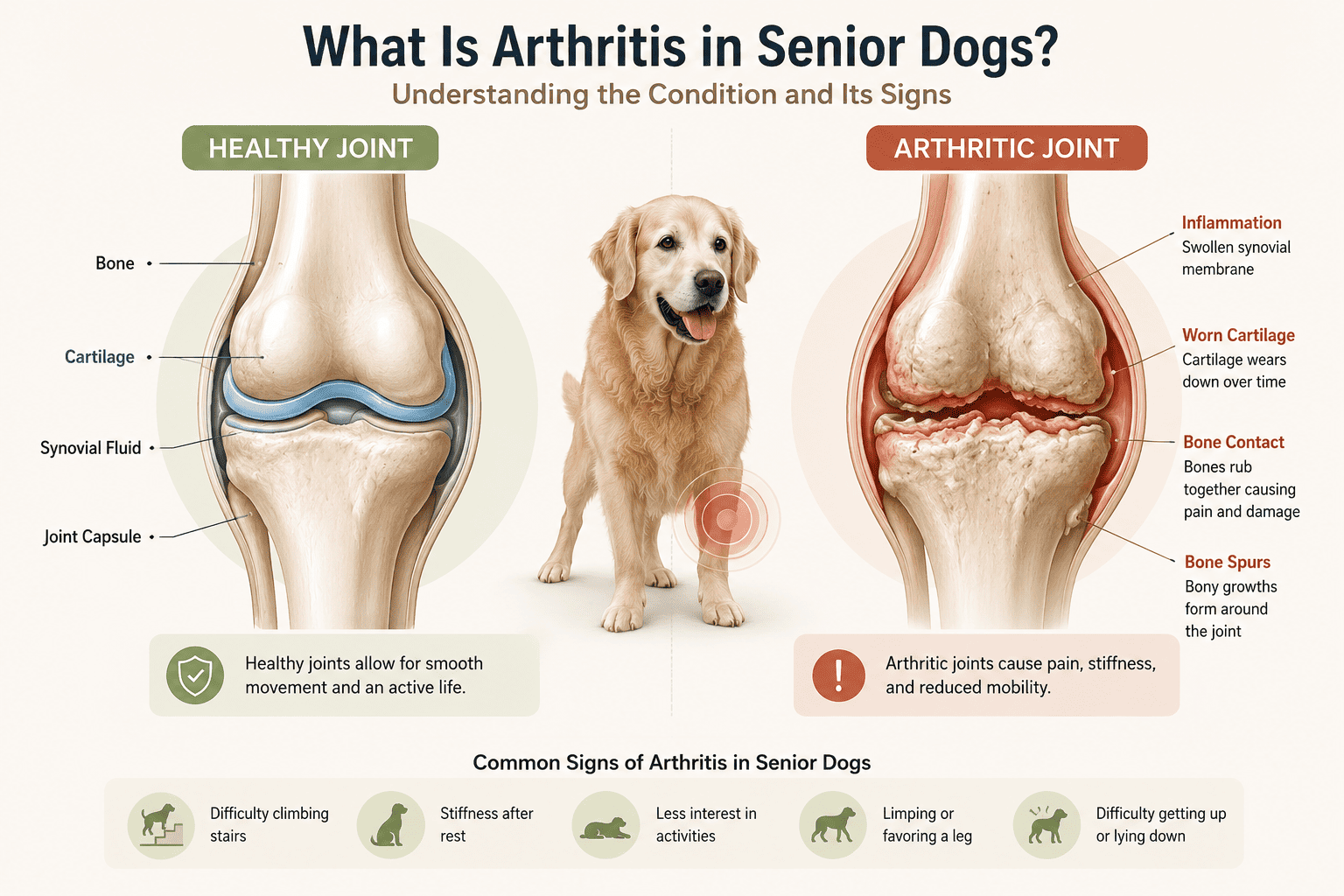
- Taking longer to get up after resting
- Hesitating before jumping or climbing
- Moving more slowly during walks
- Preferring shorter periods of activity
These changes may seem minor, but they often indicate increasing joint discomfort.
Increased Stiffness That Lasts Longer
Mild stiffness is common in dogs with arthritis, especially after rest.
However, when pain worsens, stiffness tends to:
- Last longer than usual
- Improve more slowly with movement
- Appear even after short periods of inactivity
This suggests that inflammation or joint sensitivity may be increasing.
🔗How Cold Weather Affects Dogs with Arthritis
Changes in Daily Behavior
Pain does not only affect movement — it changes behavior too.
Watch for:
- Less interest in walks or play
- Avoiding previously comfortable spots (like couches or beds)
- Seeking isolation or quiet areas
- Sleeping more but seeming less comfortable
These behavioral shifts often reflect discomfort that is not immediately visible.
Reluctance to Be Touched
As arthritis progresses, certain areas become more sensitive.
Your dog may:
- Pull away when touched near joints
- React when being lifted or supported
- Avoid contact during moments that used to be normal
This does not necessarily mean aggression — it is often a protective response to pain.
Changes in Posture and Movement
Posture can reveal a lot about joint health.
Signs to watch for include:
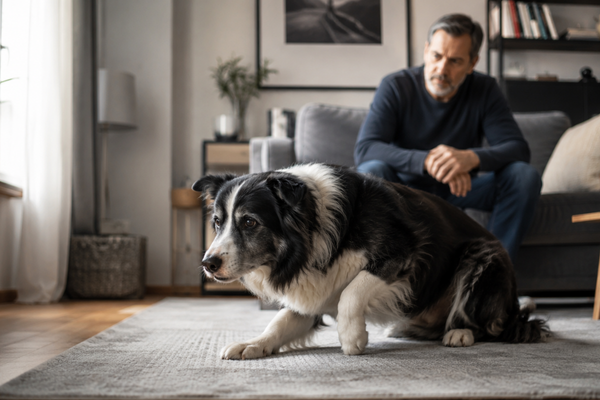
- Favoring one leg more frequently
- Shifting weight while standing
- Walking with a slightly altered gait
- Keeping joints more rigid than before
These adjustments are your dog’s way of reducing discomfort.

Subtle changes in gait can indicate increasing joint pain
More Frequent “Bad Days”
Every dog with arthritis has occasional difficult days.
But progression often looks like:
- Bad days happening more often
- Recovery taking longer
- Good days becoming less active than before
This pattern is one of the clearest indicators that the condition may be advancing.
Reduced Tolerance for Activity
Activities your dog once handled well may become more challenging.
You might notice:
- Fatigue after shorter walks
- Needing more breaks during movement
- Reluctance to follow routines they previously enjoyed
This is not laziness — it is often a sign of increased discomfort or joint fatigue.
When to Start Adjusting Care
You do not need to wait for severe symptoms to act.
If you notice consistent changes, it may be time to:
- Adjust daily routines
- Reduce intensity of activities
- Add more recovery time between movements
- Improve support during mobility
Small adjustments early can prevent faster decline.
🔗What Is the Best Daily Routine for a Dog with Arthritis?
Supporting Your Dog Through Progression
As arthritis evolves, care needs to evolve too.
Focus on:
- Gentle, consistent movement instead of intensity
- Safe environments that reduce strain
- Close observation of daily patterns
- Responding to discomfort before it escalates
Comfort is built through small, consistent decisions.
📌 [IMAGE 2 – INSERT HERE]
Prompt: Realistic high-resolution photo, 16:9, senior dog resting comfortably on an orthopedic bed in a quiet indoor space, warm lighting, relaxed posture, peaceful atmosphere
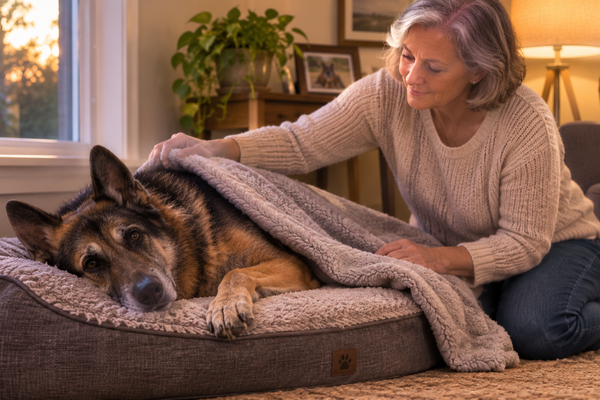
Rest and comfort become even more important as arthritis progresses
Understanding progression is not about expecting the worst.
It is about recognizing change early enough to respond with care, patience, and the right adjustments — so your dog can continue to move, rest, and live with as much comfort as possible.