Understand why lower temperatures can increase joint discomfort and learn how to help your dog stay comfortable during colder months.
Many owners notice that their dogs become slower, stiffer, or more uncomfortable during colder days. While winter itself does not cause arthritis, low temperatures can intensify existing joint pain and make movement much more difficult for senior dogs.
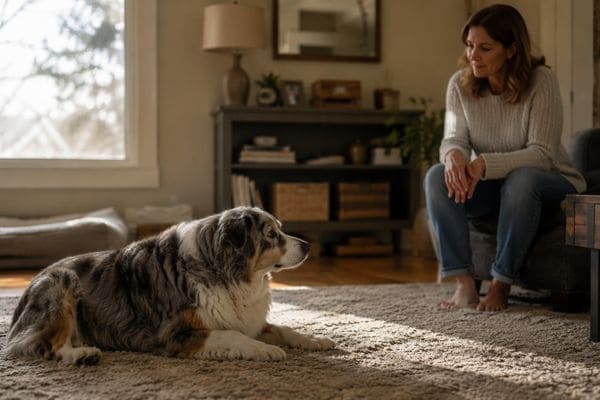
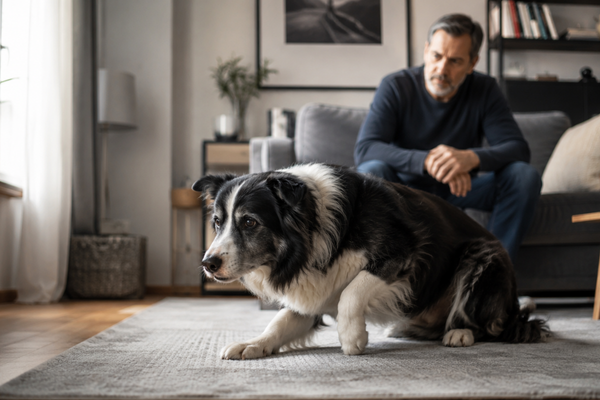
If your dog hesitates before getting up, avoids walking, or constantly searches for warmer spots around the house, it may be a sign that cold weather is affecting joint comfort.
These small behavioral changes show how much the environment can influence your dog’s daily well-being.
Why Does Cold Weather Increase Joint Stiffness?
During colder periods, the body naturally tries to conserve heat. As a result, blood circulation decreases in certain areas, especially muscles and extremities.
With reduced circulation, muscles and joints can become tighter and stiffer.
In addition, synovial fluid, which helps lubricate the joints, may become slightly thicker in lower temperatures. For dogs already living with arthritis, this can increase discomfort when walking, standing up, or changing positions.
That is why many dogs show more difficulty moving in the morning or after spending long periods resting.
As discomfort increases, dogs often move less. Unfortunately, reduced movement can lead to even more stiffness throughout the day.
Subtle Signs of Discomfort That Deserve Attention
Arthritis does not always cause obvious symptoms such as constant limping. In many cases, discomfort appears through subtle behavioral changes.
Pay attention if your dog starts to:
- sleep more than usual;
- avoid cold floors;
- look for rugs, blankets, or warmer areas of the house;
- hesitate before climbing stairs or small elevations.
Noticing these details early can help you adjust your dog’s routine before discomfort becomes more severe.
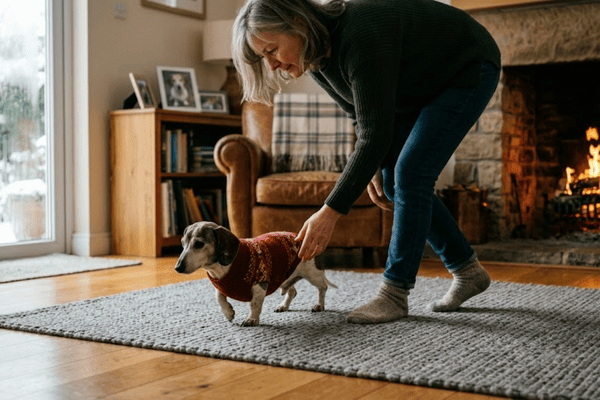
Gentle indoor movement helps maintain circulation and reduces stiffness during colder days.
Keep the Body Moving, Even During Winter
Although slowing down during cold weather feels natural, inactivity can worsen joint stiffness.
Light movement helps stimulate circulation, warm the muscles, and keep the joints more flexible throughout the day.
Short indoor walks, gentle position changes, and light stretching exercises can already make a noticeable difference. The most important thing is respecting your dog’s limits and avoiding high-impact activities.
Gentle exercises help dogs with arthritis
🔗 The Role of Exercise in Maintaining Mobility in Senior Dogs with Arthritis
How to Adapt Your Home to Protect Your Dog’s Joints
Small environmental adjustments can make a huge difference during colder months. When dogs stay warm and comfortable, the body can relax more easily, reducing tension in painful joints.
Some simple changes that may help include:
- using orthopedic beds to reduce pressure points;
- avoiding direct contact between the bed and cold floors;
- keeping the sleeping area away from cold drafts;
- leaving light blankets available for extra warmth.
These adjustments become especially important during nighttime and long resting periods.
Adapt your home for a senior dog with arthritis
🔗Ideal Environment: How to Adapt Your Home for a Senior Dog with Arthritis

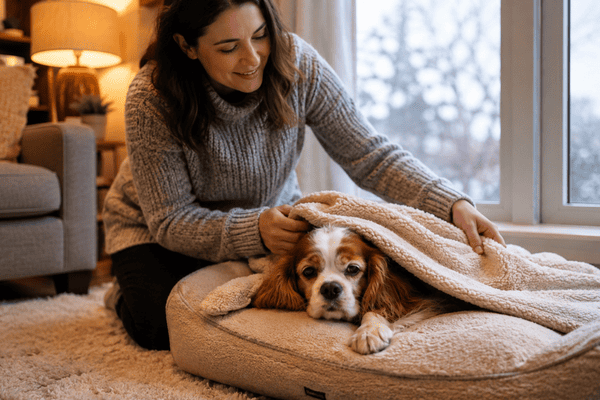
Warm and cozy environments help dogs with arthritis relax more comfortably during cold nights.
Daily Comfort Directly Impacts Quality of Life
Arthritis affects much more than mobility. It can also influence sleep quality, mood, appetite, and overall energy levels.
That is why thermal comfort and environmental adjustments are just as important as other treatments recommended by a veterinarian.
How cold weather can affect dogs with arthritis
🔗 https://caninearthritis.co.uk/managing-arthritis/environment/
According to the international organization Canine Arthritis Management, temperature, comfort, and environmental conditions directly influence the well-being of dogs living with chronic joint pain.
During colder months, giving extra attention to your dog’s routine and environment can make a significant difference in comfort and quality of life.