Better Days
for Your Best Friend

Practical guidense, expert-backed tips,
and real care for a happier,more comfortable life.

Start Here

Knowing when to help and when to wait can reduce discomfort

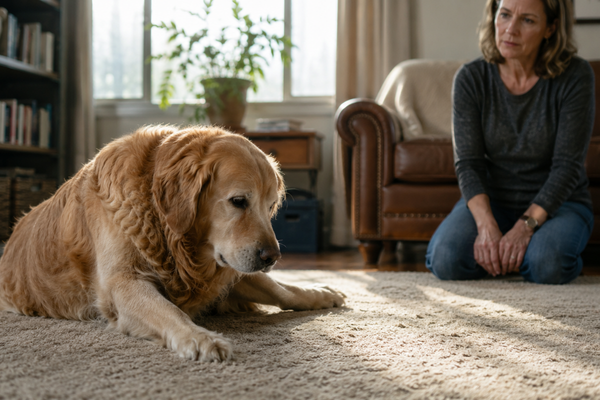
When to Help a Dog with Arthritis Walk — And When to Let Them Rest

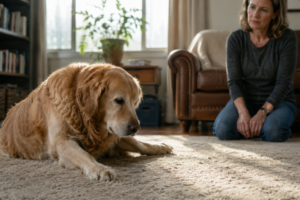
Learn how to recognize the right moments to encourage movement or allow rest without increasing pain or stiffness There’s a moment that almost every dog owner recognizes. Your dog is lying down, watching you… but not moving.They try to get up — then stop. You hesitate. Should you help? Encourage them? Or give them time? That uncertainty matters more than it seems. Because in dogs with arthritis, timing is everything.Helping at the wrong moment can increase discomfort. Waiting too long can lead to stiffness. Learning to read these moments is one of the most valuable ways to truly support your

Read More »

Exercise

Care

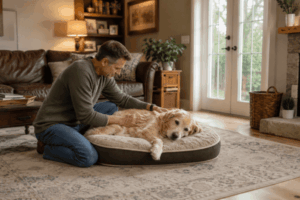
Gentle touch can help calm a dog during arthritis pain flare-ups

How to Comfort a Dog with Arthritis During Pain Flare-Ups

Simple, practical ways to ease discomfort and help your senior dog feel safe, supported, and calm during difficult moments Watching your dog struggle during an arthritis flare-up can be one of the most difficult moments for any owner. The hesitation to move, the stiffness, and the subtle signs of discomfort often appear suddenly, changing the rhythm of the entire day. In these moments, what your dog needs most is not just pain relief, but reassurance, safety, and gentle support. Understanding Arthritis Flare-Ups in Dogs Arthritis does not behave the same way every day. Many dogs experience flare-ups, moments when pain and stiffness become more intense and noticeable. These episodes can be triggered by colder temperatures, physical overexertion, or even subtle changes in routine that go unnoticed at first. During a flare-up, your dog may begin moving more slowly, hesitate before standing, or avoid stairs altogether. Some dogs become sensitive to touch, while others grow unusually quiet or restless, shifting positions frequently in search of comfort. Recognizing these early signals allows you to respond with confidence and care. Signs of pain in senior dogs with arthritis. 🔗 How to Recognize Signs of Pain in Senior Dogs with Arthritis What Helps a Dog During an Arthritis Flare-Up? The most effective way to help a dog during an arthritis flare-up is to create a calm, warm, and safe environment, reduce physical strain, offer gentle support, and maintain a consistent routine that helps your dog feel secure. Create a Calm and Safe Resting Space When discomfort increases, your dog naturally looks for a place to rest. The environment you provide can either ease tension or make it worse. A good resting space feels predictable and easy to access. Quiet areas away from constant movement or noise help your dog relax more deeply. Soft, supportive bedding reduces pressure on sensitive joints, while a warm environment helps muscles loosen naturally. A warm and supportive resting space helps reduce joint pressure Use Gentle Physical Comfort Physical contact can be incredibly soothing when done with care. Slow, gentle strokes along your dog’s body can help release tension, as long as you avoid direct pressure on painful joints. Pay close attention to your dog’s response. Some will lean into the contact, while others may prefer space. At times, simply sitting nearby is enough. Your presence alone can create a sense of safety that helps your dog settle. Adjust Movement Without Forcing Activity It is natural to want your dog to stay active, but during a flare-up, forcing movement often increases discomfort. Allow your dog to move at their own pace. Offer support when they need help standing, and try to avoid situations that involve jumping, climbing, or walking on slippery floors. Improve mobility in dogs with arthritis🔗6 Useful Tools to Improve Mobility in Dogs with Arthritis Maintaining gentle, supported movement helps preserve mobility without adding unnecessary strain. Apply Warmth for Natural Relief Warmth is one of the simplest ways to ease stiffness and promote relaxation. A warm compress, a heated pet pad, or even a cozy blanket can help improve circulation and relax tight muscles around the joints. After a few minutes, you may notice your dog settling more comfortably, stretching slightly, or finally relaxing into a restful position. The key is balance. The warmth should always feel gentle and safe, never intense, and your dog should be free to move away if needed. Keep a Consistent Routine When dogs are in pain, predictability becomes even more important. Maintaining regular feeding times, rest periods, and calm daily interactions helps your dog feel secure. A stable routine reduces anxiety and supports better physical recovery over time. Best daily routine for a dog with arthritis 🔗What Is the Best Daily Routine for a Dog with Arthritis? Monitor Pain and Know When to Seek Help Home comfort strategies are essential, but they work best alongside proper veterinary care. If your dog shows ongoing pain, refuses food, struggles significantly to move, or displays sudden behavioral changes, it is important to seek professional guidance. Arthritis can progress, and treatment adjustments are often necessary. Canine arthritis management https://caninearthritis.co.uk Reliable information and veterinary support ensure your dog receives the care they truly need. Emotional Support Makes a Real Difference Pain affects more than the body. Dogs experiencing discomfort can also feel vulnerable or unsettled. Your presence plays a quiet but powerful role. Speaking in a calm voice, staying nearby, and offering gentle attention can help your dog feel more secure. Calm companionship helps reduce anxiety during painful moments Supporting a dog during arthritis flare-ups is not about doing something complex. It is about being present, attentive, and responsive to what your dog is feeling in that moment. For your dog, that quiet support is not something small. It is everything.

Read More »
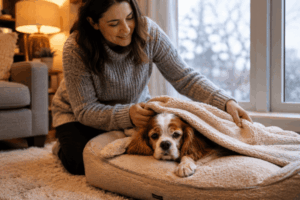
Owner gently covering a senior dog with a soft blanket in a cozy home environment during a cold day.

How Cold Weather Affects Dogs with Arthritis

Understand why lower temperatures can increase joint discomfort and learn how to help your dog stay comfortable during colder months. Many owners notice that their dogs become slower, stiffer, or more uncomfortable during colder days. While winter itself does not cause arthritis, low temperatures can intensify existing joint pain and make movement much more difficult for senior dogs. If your dog hesitates before getting up, avoids walking, or constantly searches for warmer spots around the house, it may be a sign that cold weather is affecting joint comfort. These small behavioral changes show how much the environment can influence your dog’s daily well-being. Why Does Cold Weather Increase Joint Stiffness? During colder periods, the body naturally tries to conserve heat. As a result, blood circulation decreases in certain areas, especially muscles and extremities. With reduced circulation, muscles and joints can become tighter and stiffer. In addition, synovial fluid, which helps lubricate the joints, may become slightly thicker in lower temperatures. For dogs already living with arthritis, this can increase discomfort when walking, standing up, or changing positions. That is why many dogs show more difficulty moving in the morning or after spending long periods resting. As discomfort increases, dogs often move less. Unfortunately, reduced movement can lead to even more stiffness throughout the day. Subtle Signs of Discomfort That Deserve Attention Arthritis does not always cause obvious symptoms such as constant limping. In many cases, discomfort appears through subtle behavioral changes. Pay attention if your dog starts to: Noticing these details early can help you adjust your dog’s routine before discomfort becomes more severe. Gentle indoor movement helps maintain circulation and reduces stiffness during colder days. Keep the Body Moving, Even During Winter Although slowing down during cold weather feels natural, inactivity can worsen joint stiffness. Light movement helps stimulate circulation, warm the muscles, and keep the joints more flexible throughout the day. Short indoor walks, gentle position changes, and light stretching exercises can already make a noticeable difference. The most important thing is respecting your dog’s limits and avoiding high-impact activities. Gentle exercises help dogs with arthritis 🔗 The Role of Exercise in Maintaining Mobility in Senior Dogs with Arthritis How to Adapt Your Home to Protect Your Dog’s Joints Small environmental adjustments can make a huge difference during colder months. When dogs stay warm and comfortable, the body can relax more easily, reducing tension in painful joints. Some simple changes that may help include: These adjustments become especially important during nighttime and long resting periods. Adapt your home for a senior dog with arthritis 🔗Ideal Environment: How to Adapt Your Home for a Senior Dog with Arthritis Warm and cozy environments help dogs with arthritis relax more comfortably during cold nights. Daily Comfort Directly Impacts Quality of Life Arthritis affects much more than mobility. It can also influence sleep quality, mood, appetite, and overall energy levels. That is why thermal comfort and environmental adjustments are just as important as other treatments recommended by a veterinarian. How cold weather can affect dogs with arthritis 🔗 https://caninearthritis.co.uk/managing-arthritis/environment/ According to the international organization Canine Arthritis Management, temperature, comfort, and environmental conditions directly influence the well-being of dogs living with chronic joint pain. During colder months, giving extra attention to your dog’s routine and environment can make a significant difference in comfort and quality of life.

Read More »
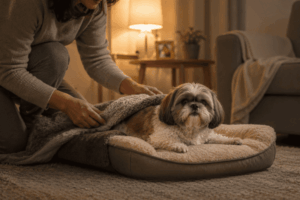
Creating a calm nighttime routine helps senior dogs with arthritis feel safer and more comfortable before sleep.

How to Create the Ideal Nighttime Routine for Dogs with Arthritis

Simple habits that help your dog sleep better and feel more comfortable at night As nighttime approaches, many dogs with arthritis begin to show more signs of discomfort. Some take longer to lie down, while others constantly change positions before finally settling. In many cases, the problem is not only pain itself, but also the difficulty the body has relaxing after spending the entire day dealing with stiffness and limited mobility. That’s why creating a comfortable nighttime routine can make a much bigger difference than many owners realize. Small adjustments before bedtime can help your dog feel calmer, safer, and more prepared for a restful night’s sleep. Your Dog’s Body Also Needs Time to Slow Down Just like people, senior dogs often benefit from a predictable evening routine. When everything happens calmly and consistently, the body understands that it’s time to relax. This helps dogs settle more easily and reduces the restlessness that is common in dogs with arthritis. Sudden changes, excessive stimulation, or intense activity late in the evening can make it even harder for your dog to rest comfortably. A Calm Environment Makes a Huge Difference Sometimes dogs struggle to sleep simply because their environment is not comfortable enough. A bed placed in a cold area, slippery flooring, or constant noise can increase joint discomfort during the night. Creating a cozy sleeping space does not require major changes. Soft lighting, a comfortable temperature, and a supportive bed can already improve your dog’s comfort significantly. Choose the right bed for dogs with arthritis🔗Best Orthopedic Dog Beds for Senior Dogs with Arthritis Gentle Movement Before Bedtime Can Help Some dogs feel more comfortable after light movement before going to sleep. A short walk indoors or gentle stretching exercises may help the body relax and reduce stiffness before bedtime. The goal is not to tire your dog out, but rather to help the joints feel less tense before resting. Gentle stretches can help reduce stiffness🔗5 Simple Stretches for Senior Dogs to Relieve Arthritis Pain The Way Your Dog Lies Down Also Matters Many owners notice that their dog struggles to find a comfortable position before sleeping. Some dogs circle repeatedly or try to avoid putting pressure on certain joints. These small behaviors are often signs that the body is trying to reduce discomfort and pressure on painful areas. During these moments, the owner’s presence can make a real difference. Gently adjusting a blanket, supporting the dog’s body, or ensuring enough room to move comfortably can help create a much more peaceful resting experience. Partial close-up of the owner carefully adjusting the dog’s position on an orthopedic bed.Caption: Small adjustments before bedtime can make resting much easier for dogs with arthritis. Restlessness at Night May Be a Sign of Discomfort Some dogs appear restless during the night, but they may actually be trying to cope with discomfort. Frequent position changes, difficulty relaxing, or hesitation before lying down can indicate that arthritis is affecting your dog more than expected. Paying attention to these details helps owners better understand what their dog is experiencing and allows them to make more effective adjustments to the nighttime routine. Learn how to recognize signs of pain in senior dogs🔗How to Recognize Signs of Pain in Senior Dogs with Arthritis Comfort Is Also Part of Arthritis Management Many people associate arthritis treatment only with medication or supplements. However, daily comfort plays an equally important role in a dog’s quality of life. A calmer routine, an adapted environment, and better sleep can help the body cope with pain and stiffness more effectively. How the environment affects comfort in dogs with arthritis🔗https://caninearthritis.co.uk/home-pet-guardians/ Canine Arthritis Management emphasizes that small adjustments in routine and environment can significantly improve the well-being of dogs living with arthritis. Small Habits Can Create More Peaceful Nights Creating a better nighttime routine does not mean completely changing your dog’s daily life. In most cases, small adjustments have the biggest impact. A more comfortable environment, gentle movement before bedtime, and attention to signs of discomfort can help your dog sleep better and wake up feeling more comfortable. Over time, these simple habits become a natural part of the routine and contribute to a healthier and more peaceful life.

Read More »
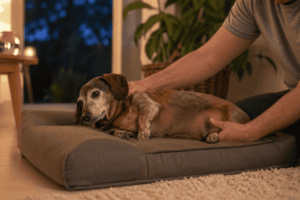
A gentle adjustment by the owner helps the dog find a comfortable sleeping position and reduces pressure on sensitive joints.

Best Sleeping Positions for Dogs with Arthritis

Simple ways to improve comfort and reduce joint pain during rest Helping your dog find the best sleeping position can make a real difference in their comfort, especially when arthritis is involved. Pain and stiffness often become more noticeable at night, making it harder for senior dogs to settle and stay asleep. Small adjustments in positioning can reduce pressure on joints and improve overall rest. Why Sleeping Position Matters for Dogs with Arthritis Dogs with arthritis may struggle to relax because certain positions increase joint pressure. Common issues include: A proper position helps distribute weight evenly and minimizes discomfort. Side Sleeping: The Most Supportive Option Sleeping on the side is often the most comfortable position for dogs with arthritis. It allows the body to fully extend and reduces pressure on sensitive joints. Benefits: When Curled Positions May Cause Discomfort Some dogs prefer to curl up, but this position can increase stiffness in joints. While it provides warmth, it may not be ideal for dogs with moderate to severe arthritis. If your dog prefers curling up, ensure the bed offers enough support to reduce pressure points. Avoid Positions That Increase Joint Stress Certain positions can make arthritis symptoms worse. Watch out for: These are often signs your dog is uncomfortable.   The Importance of Proper Support Even the best position won’t help without proper support. Orthopedic beds play a key role in maintaining alignment and reducing pressure on joints. 🔗Best Orthopedic Dog Beds for Senior Dogs with Arthritis Create a Sleep-Friendly Environment The surrounding environment can help your dog maintain a comfortable position throughout the night. Simple adjustments: 🔗Ideal Environment: How to Adapt Your Home for a Senior Dog with Arthritis Helping Your Dog Change Positions Safely Dogs with arthritis may need help repositioning. You can: Small assistance can prevent pain and improve sleep quality. When to Pay Attention If your dog shows signs of discomfort during rest, it may indicate worsening arthritis. 🔗How to Recognize Signs of Pain in Senior Dogs with Arthritis Expert Insight on Comfort and Arthritis Understanding arthritis and long-term comfort in dogs🔗https://caninearthritis.co.uk/home-pet-guardians/ Organizations like Canine Arthritis Management emphasize that managing arthritis involves daily comfort, proper support, and adapting the dog’s routine and environment. Better Position, Better Sleep Choosing the best sleeping position for dogs with arthritis is about understanding their needs and making small, consistent adjustments. With the right support, positioning, and environment, your dog can enjoy deeper, more comfortable sleep and a better quality of life.

Read More »
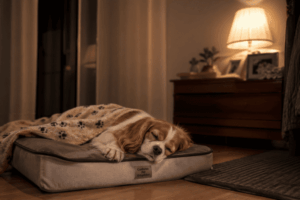
Senior small dog sleeping comfortably on an orthopedic bed at night

How to Help a Dog with Arthritis Sleep Comfortably

Simple ways to reduce nighttime discomfort and improve your senior dog’s sleep quality Helping a senior dog with arthritis sleep well can be challenging. Many dogs experience increased discomfort at night, especially after long periods of inactivity. The good news is that small adjustments in your dog’s environment and routine can significantly improve comfort and sleep quality. Why Dogs with Arthritis Struggle to Sleep Arthritis causes inflammation in the joints, leading to pain, stiffness, and difficulty finding a comfortable position. At night, these symptoms often become more noticeable due to: Choose the Right Bed for Maximum Comfort One of the most important changes you can make is upgrading your dog’s bed. Standard beds often lack the support needed for aging joints. Orthopedic beds help distribute body weight more evenly and reduce pressure points. Best orthopedic beds for dogs with arthritis 🔗Best Orthopedic Dog Beds for Senior Dogs with Arthritis What to look for in a good bed: Improve the Sleeping Environment Your dog’s sleeping area plays a major role in overall comfort. A few simple adjustments can make a big difference. Key improvements: How to adapt your home for a senior dog🔗Ideal Environment: How to Adapt Your Home for a Senior Dog with Arthritis Help Your Dog Lie Down and Get Up Safely Dogs with arthritis often struggle with the physical effort of lying down and getting up. This can increase pain and make them reluctant to rest. How to help: Adjust your dog’s daily routine for better rest🔗How to Adjust the Care Routine for Senior Dogs with Arthritis Create a Calm and Consistent Night Routine A predictable routine helps your dog relax and feel secure. Consistency reduces stress and can lower the perception of pain. Recommended routine: Avoid intense activity late at night. Adjust Temperature for Joint Comfort Temperature has a direct impact on arthritis symptoms. Cold environments can increase stiffness and discomfort. Tips: Encourage Gentle Movement Before Bed Light movement before bedtime can help reduce stiffness and improve circulation. This makes it easier for your dog to relax and settle down. Good options: Avoid any high-impact activity. When to Talk to a Veterinarian If your dog continues to struggle with sleep, it may be a sign that pain is not fully controlled. A veterinarian can recommend: How to manage chronic pain in dogs with arthritis🔗https://caninearthritis.co.uk/home-pet-guardians/ Small Changes Can Make a Big Difference Helping a dog with arthritis sleep comfortably does not require complex changes. With the right bed, a supportive environment, and a calming routine, you can greatly improve your dog’s quality of life. Pay attention to your dog’s behavior and adjust as needed. Small improvements often lead to meaningful results.

Read More »
What Is the Best Daily Routine for a Dog with Arthritis?

What Is the Best Daily Routine for a Dog with Arthritis?

Discover the best daily routine for a dog with arthritis to reduce pain, improve mobility, and keep your senior dog comfortable and active throughout the day. Creating a consistent daily routine is one of the most effective ways to manage arthritis in dogs. With the right balance of movement, rest, and care, you can significantly improve your dog’s comfort and quality of life. Understanding what is the best daily routine for a dog with arthritis helps reduce stiffness, prevent pain flare-ups, and support long-term joint health. What Is the Best Daily Routine for a Dog with Arthritis? The best daily routine for a dog with arthritis includes gentle exercise, scheduled rest periods, a comfortable environment, proper nutrition, and consistent support throughout the day. A structured routine helps reduce joint stiffness, improves mobility, and keeps your dog physically and mentally engaged. Why Routine Matters for Dogs with Arthritis Dogs with arthritis benefit greatly from consistency. Sudden changes in activity levels can worsen stiffness and discomfort. A predictable routine helps: Even small daily habits can make a big difference over time. Morning Routine: Start the Day Gently Mornings are often the most challenging time for dogs with arthritis due to stiffness after rest. Key actions: Improve movement safety:🔗How to Prepare Your Home for a Senior Dog with Arthritis Midday Routine: Keep Movement Light and Consistent At midday, your dog is usually more comfortable and mobile. This is the best time for: Avoid intense activity. Consistency is more important than intensity. Learn safe activities:🔗Fun and Safe Low-Impact Games for Dogs with Arthritis Evening Routine: Relax and Recover As the day ends, focus on helping your dog relax and recover. Recommended actions: How Much Exercise Does a Dog with Arthritis Need? Dogs with arthritis need regular but low-impact exercise, typically 15 to 30 minutes per session, depending on their condition. Short, frequent walks are more beneficial than long, intense activity, as they help maintain mobility without overloading the joints. Signs the Routine Is Working A good routine should lead to noticeable improvements. Watch for: Understand pain signals:🔗How to Recognize Signs of Pain in Senior Dogs with Arthritis Common Mistakes in Daily Care Avoid these routine mistakes: Consistency is key to managing arthritis effectively. The Role of Diet and Weight Control Maintaining a healthy weight reduces pressure on joints. A proper diet can: According to veterinary experts, maintaining a healthy weight and providing controlled, low-impact exercise are essential for managing arthritis in dos. Learn more:🔗https://vcahospitals.com/know-your-pet/arthritis-in-dogs/ Build a Routine That Works for Your Dog Every dog is different, so the ideal routine may vary slightly. Pay attention to: Adjust gradually and focus on long-term consistency rather than perfection. Build a Routine That Works for Your Dog Every dog is different, so the ideal routine may vary slightly. Pay attention to: Adjust gradually and focus on long-term consistency rather than perfection. Small Daily Habits Make a Big Difference Knowing what is the best daily routine for a dog with arthritis allows you to create a structured, supportive environment that improves your dog’s comfort and mobility. With gentle movement, proper rest, and consistent care, you can help your dog stay active, reduce pain, and enjoy a better quality of life every day.

Read More »
Scroll to Top