Better Days
for Your Best Friend

Practical guidense, expert-backed tips,
and real care for a happier,more comfortable life.

Start Here

Knowing when to help and when to wait can reduce discomfort

When to Help a Dog with Arthritis Walk — And When to Let Them Rest

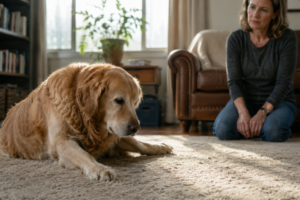
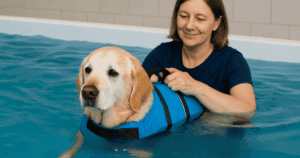
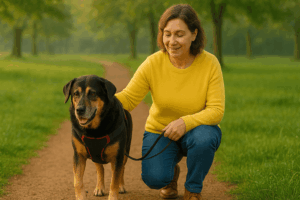
Learn how to recognize the right moments to encourage movement or allow rest without increasing pain or stiffness There’s a moment that almost every dog owner recognizes. Your dog is lying down, watching you… but not moving.They try to get up — then stop. You hesitate. Should you help? Encourage them? Or give them time? That uncertainty matters more than it seems. Because in dogs with arthritis, timing is everything.Helping at the wrong moment can increase discomfort. Waiting too long can lead to stiffness. Learning to read these moments is one of the most valuable ways to truly support your

Read More »

Exercise

Care

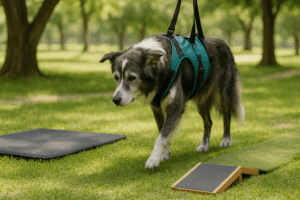
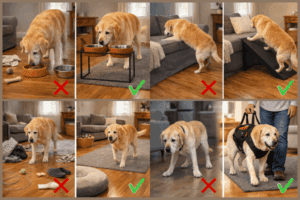
Senior dog arthritis walking without support vs with suppor herness

6 Mistakes Owners Make When Caring for Dogs with Arthritis

Avoid these common mistakes when caring for dogs with arthritis to reduce pain, improve mobility, and protect your dog’s quality of life. Caring for a dog with arthritis requires more than love and good intentions. While many owners try to help their pets stay active and comfortable, some common mistakes can actually make joint pain worse. Arthritis affects mobility, flexibility, and overall well-being. Without proper care, it can lead to muscle loss, stiffness, and reduced quality of life. Understanding the most common mistakes owners make when caring for dogs with arthritis helps you avoid unnecessary setbacks and create a safer, more supportive routine for your dog. What Are the Most Common Mistakes When Caring for Dogs with Arthritis? The most common mistakes include overexercising, allowing slippery surfaces, ignoring early pain signs, using the wrong equipment, maintaining inconsistent routines, and skipping veterinary guidance. Avoiding these mistakes helps protect joints, reduce pain, and improve long-term mobility. 1. Overexercising Your Dog Many owners believe that more exercise is always better. However, for dogs with arthritis, excessive activity can increase inflammation and joint stress. High-impact activities such as running, jumping, or long walks can worsen pain and lead to injuries. A better approach is controlled, low-impact movement. Learn how to balance activity safely:🔗The Role of Exercise in Maintaining Mobility in Senior Dogs with Arthritis What to do instead: Consistency is more important than intensity. 2. Ignoring Slippery Floors at Home One of the most overlooked risks is the home environment. Smooth floors like tile or hardwood can cause slipping, forcing dogs to strain their joints to maintain balance. Over time, this increases pain and the risk of injury. What to do instead: 🔗 LINK INTERNO 2See how to improve your dog’s environment:Ideal Environment: How to Adapt Your Home for a Senior Dog with Arthritis 3. Not Recognizing Early Signs of Pain Dogs often hide pain, which makes it easy for owners to miss early warning signs of arthritis progression. Ignoring subtle changes can delay treatment and worsen the condition. Common signs include: Learn how to identify symptoms early:🔗How to Recognize Signs of Pain in Senior Dogs with Arthritis What to do instead: Early action prevents long-term damage. 4. Using the Wrong Equipment Using collars instead of harnesses or lacking support tools can increase strain on joints and reduce stability. Dogs with arthritis need better weight distribution and support during movement. What to do instead: These tools reduce joint pressure and improve safety. 5. Inconsistent Routine Irregular routines can worsen arthritis symptoms. Long periods of inactivity followed by sudden activity overload the joints. Dogs with arthritis benefit from predictability. What to do instead: A stable routine helps maintain muscle strength and joint function. 6. Skipping Veterinary Guidance Trying to manage arthritis without professional support is one of the biggest mistakes. Each dog has different needs depending on age, severity, and overall health. Canine Arthritis Resources and Education, understanding canine arthritis symptoms and management:🔗https://www.avma.org/resources/pet-owners/petcare/arthritis-pets What to do instead: Professional guidance ensures safe and effective care. How to Avoid These Mistakes and Improve Your Dog’s Life Avoiding these common mistakes can dramatically improve your dog’s comfort and mobility. Focus on three key principles: Small changes, when combined, create a powerful impact on your dog’s quality of life. Can These Mistakes Make Arthritis Worse? Yes. These mistakes can accelerate joint damage, increase pain, and reduce mobility. Overexertion, poor surfaces, and lack of proper care create additional stress on already inflamed joints, making arthritis progression faster and more difficult to manage. Help Your Dog Live More Comfortably Avoiding common mistakes when caring for dogs with arthritis is one of the most effective ways to protect their long-term health. With the right adjustments, your dog can stay active, comfortable, and confident even with mobility limitations. By combining safe exercise, a supportive environment, and proper guidance, you create a routine that truly improves your dog’s daily life.

Read More »
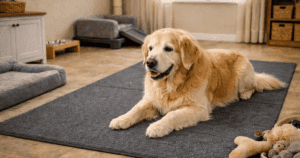
How to Prepare Your Home for a Senior Dog with Arthritis

How to Prepare Your Home for a Senior Dog with Arthritis

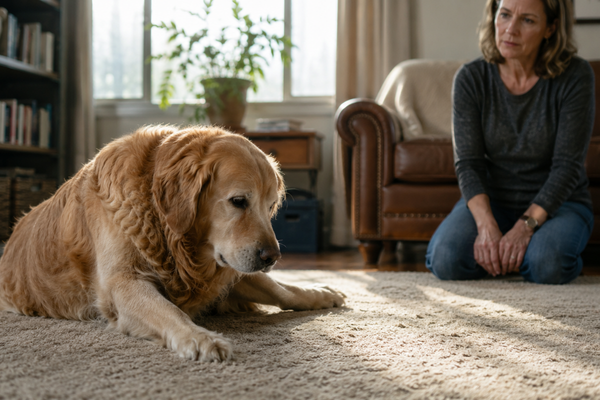
Simple home adjustments that help senior dogs with arthritis move safely, reduce joint pain, and maintain independence. Caring for a senior dog with arthritis often requires more than medication or exercise routines. The home environment itself plays a major role in your dog’s comfort and mobility. As arthritis progresses, everyday surfaces and obstacles can become difficult or even dangerous for aging dogs. Slippery floors, stairs, and high furniture may increase joint strain or lead to accidental falls. Learning how to prepare your home for a senior dog with arthritis can significantly improve your pet’s quality of life. Small changes throughout the house can help reduce pain, improve mobility, and make daily activities easier for your dog. Why Home Adaptations Are Important for Dogs with Arthritis Arthritis causes inflammation in the joints, leading to stiffness and reduced flexibility. Movements that were once simple can become painful, especially when dogs must climb, jump, or walk on unstable surfaces. By adapting the home environment, owners can help reduce unnecessary stress on the joints. Benefits of home adaptations include: Even small environmental changes can have a noticeable impact on how comfortably your dog moves around the house. According to the American Kennel Club, home modifications can significantly improve mobility and safety for dogs living with arthritis:🔗https://www.akc.org/expert-advice/health/ Use Non-Slip Flooring to Prevent Falls Slippery floors are one of the biggest challenges for senior dogs with arthritis. Hardwood, tile, and laminate surfaces can make it difficult for dogs to maintain traction when walking. When dogs struggle to keep their balance, they often tense their muscles, which can worsen joint discomfort. Adding non-slip surfaces can dramatically improve stability. Options include: Focus on areas where your dog walks frequently, such as hallways, near food bowls, and around sleeping areas. Provide Orthopedic Bedding for Joint Support Quality sleep is essential for dogs with arthritis. Hard floors or thin beds may increase pressure on inflamed joints, making it difficult for dogs to rest comfortably. Orthopedic dog beds are designed to support the body evenly and reduce pressure points. Benefits of orthopedic beds include: Place the bed in a quiet area where your dog feels safe and comfortable. Some dogs also benefit from having multiple resting spots around the house. Use Ramps Instead of Stairs Stairs can be difficult and painful for senior dogs with arthritis. Each step requires bending the joints, which may increase discomfort. Installing ramps helps dogs access elevated areas more safely. Common places where ramps can help include: Ramps allow dogs to move with less joint strain while maintaining independence. Learn more about maintaining safe movement routines:🔗Safe Walks for Senior Dogs with Arthritis: Keep Your Dog Active Combining safe indoor environments with gentle outdoor activity supports overall mobility. Keep Food and Water Easily Accessible As arthritis progresses, bending down or walking long distances inside the home can become uncomfortable. To help your dog stay hydrated and nourished: Keeping essential resources nearby helps minimize unnecessary movement that could cause discomfort. Create Clear and Safe Walking Paths Senior dogs benefit from predictable, obstacle-free pathways inside the home. Remove objects that could block movement or create hazards, such as: Dogs with arthritis often move more slowly, so clear walking areas help them navigate the house safely and confidently. Create Clear and Safe Walking Paths Senior dogs benefit from predictable, obstacle-free pathways inside the home. Remove objects that could block movement or create hazards, such as: Dogs with arthritis often move more slowly, so clear walking areas help them navigate the house safely and confidently. Maintain Gentle Daily Activity Even with a comfortable home environment, dogs with arthritis still need regular movement to maintain joint health. Short periods of gentle activity help prevent stiffness and maintain muscle strength. Discover gentle exercises that support mobility:🔗5 Simple Stretches for Senior Dogs to Relieve Arthritis Pain Regular stretching and low-impact movement help complement the home adaptations you create. What Is the Best Home Setup for a Dog with Arthritis? The best home setup for a dog with arthritis focuses on safety, comfort, and accessibility. Non-slip flooring, orthopedic bedding, ramps, and clear walking paths help reduce joint strain and prevent falls. These simple adjustments allow senior dogs to move more comfortably and maintain independence inside the home. Can Home Modifications Really Help Dogs with Arthritis? Yes. Simple home modifications can significantly improve mobility and comfort for dogs with arthritis. By reducing slipping hazards, minimizing stairs, and providing supportive resting areas, owners can help prevent injuries and decrease joint strain during daily activities. Creating a Comfortable Environment for Aging Dogs Preparing your home for a senior dog with arthritis is one of the most effective ways to support long-term comfort and mobility. Small adjustments such as adding non-slip rugs, providing orthopedic beds, and installing ramps can make daily movement easier and safer. When combined with gentle exercise and veterinary care, these environmental changes help dogs stay active, confident, and comfortable as they age. A well-adapted home environment allows senior dogs to maintain independence and enjoy their daily routines with less pain and greater security.

Read More »
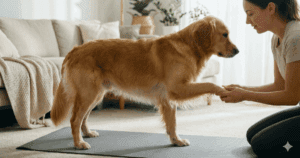
Stretches for Beginner Dogs

Stretches for Beginner Dogs: How to Start Safely and Comfortably

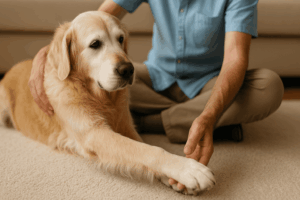
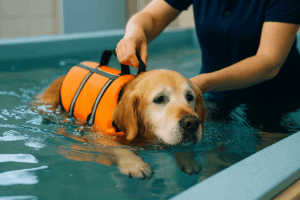
Starting a stretching routine may seem simple, but when it comes to beginner dogs, every movement must be done with care, patience, and respect for the dog’s limits. Whether you have a growing puppy, a sedentary adult dog, or a pet returning to physical activity, stretching helps improve flexibility, prevent injuries, and promote greater comfort in daily movements. When performed correctly, stretching also strengthens the bond between owner and dog, turning the session into a positive and relaxing experience. Why Stretching Is Important for Beginner Dogs Many dog owners believe stretching is only for athletic or senior dogs. That is not true. Starting early, and doing it properly, helps keep muscles and joints prepared for everyday activities such as walking, running, or playing. Some of the main benefits include: A consistent care routine also plays a key role in long-term joint health. If your dog already shows signs of joint sensitivity, you may find helpful guidance here:https://pautamix.com/care-routine-senior-dogs-arthritis/ When Is the Best Time to Stretch? Timing directly affects results. Ideally, your dog should be: Avoid stretching when your dog is overly excited, deeply asleep, or immediately after meals. Flooring is especially important. Slippery surfaces increase the risk of muscle strain and discomfort. Simple Stretches for Beginners The main rule is simple: gentle, slow movements without forcing range of motion. Front Leg Stretch With your dog standing, gently hold one front paw and extend it slightly forward. Hold for about five seconds, then slowly release. Repeat two to three times on each side. This movement helps improve shoulder mobility and relieve minor muscle tension. Back Leg Stretch Gently hold the back leg and move it slightly backward, maintaining natural alignment. Hold for a few seconds and release without sudden movements. This exercise supports hip mobility and activates the rear muscle group. Side Stretch Using a Treat Use a healthy treat to encourage your dog to turn their head gently to each side. This natural movement activates neck and trunk muscles without direct manipulation. It is an excellent option for dogs who are not yet fully comfortable with prolonged physical handling. How Long Should a Session Last? For beginners, less is more. The goal is not intensity. It is consistency. Over time, your dog will likely relax more during sessions, allowing for slightly broader movements while still respecting their limits. How to Tell If It Is Working Several signs indicate that stretching is being performed correctly: ✔ Your dog remains calm✔ There is no sudden pulling away✔ Breathing stays normal✔ The dog appears relaxed after the session If you notice resistance, discomfort, or repeated attempts to escape, stop and try again another day. The Connection Between Stretching and Joint Health Even in beginner dogs, maintaining joint health early helps reduce future risks. In addition to stretching, proper nutrition and complementary care support mobility over time. For dogs that already show sensitivity, light strengthening exercises and low-impact therapies may be beneficial, as explained here:https://pautamix.com/hydrotherapy-dogs-arthritis/ A balanced routine combined with regular veterinary checkups builds a solid foundation for healthy aging. Common Mistakes When Starting a Stretching Routine Avoiding simple mistakes can prevent unnecessary discomfort. The key is gentleness and careful observation. Making the Experience More Comfortable A few strategies can help your dog accept the new routine more easily: Creating a positive association encourages long-term consistency. When to Seek Professional Guidance Even though these are simple stretches, consult a veterinarian if your dog: Dogs diagnosed with arthritis or hip dysplasia should always receive professional guidance before beginning any stretching or manipulation routine. Building a Healthy Routine from the Start Starting a safe stretching routine is an investment in your dog’s future health. With short sessions, the right environment, and gentle movements, you help improve mobility, prevent injuries, and enhance overall quality of life. Consistency, observation, and respect for your dog’s pace are essential. Small actions today can make a significant difference tomorrow.

Read More »
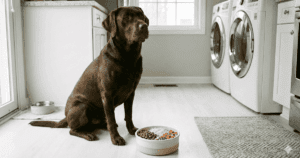
Balanced Diet for Active Dogs

Balanced Diet for Active Dogs: How to Adjust Nutrition According to Energy Levels

A healthy diet is one of the main pillars of a dog’s overall well-being. For active dogs that engage in regular physical activities — such as long walks, agility training, or intense play sessions — adjusting their diet based on energy level is essential. Just like humans who exercise regularly need the right nutrition, dogs also require a balanced diet for active dogs that provides enough fuel without compromising their health. Why Active Dogs Need a Specialized Diet Active dogs burn more calories daily and therefore need foods that supply energy efficiently. Without proper dietary adjustment, they may lose too much weight, experience lowered immunity, or even develop muscle issues. On the other hand, feeding too many calories can lead to overweight, even in dogs that exercise a lot. It’s important to remember that every dog is unique. Breed, age, size, and the type of activity all directly affect how much and what kind of nutrients are required for a balanced diet. Macronutrients: The Foundation of Canine Energy Protein for Strength and Endurance Protein is essential for maintaining and building muscle mass. For active dogs, the demand is higher since their muscles are constantly working. Foods rich in high-quality protein — such as chicken, fish, and lamb — should always be part of their diet. Carbohydrates for Steady Energy Complex carbohydrates like brown rice, sweet potatoes, and oats provide slow, consistent energy release. They help dogs stay active and maintain endurance during long activities. Healthy Fats for Performance and Wellness Good fats, such as omega-3 and omega-6, are crucial for active dogs. In addition to providing concentrated energy, they promote healthy skin, coat, and joints. Sources like fish oil and flaxseed oil are highly recommended. Adjusting the Diet to Match Activity Level Moderately Active Dogs Dogs that go on daily walks but don’t have intense exercise routines benefit from a balanced diet with moderate protein, healthy carbs, and lower fat. The goal is to maintain a stable weight and the energy needed for everyday activities. Highly Active Dogs Dogs involved in sports like agility or canicross need higher amounts of protein and fat to support energy and muscle recovery. Premium or super-premium dog food designed for athletic dogs is often a good choice. Active Puppies and Young Dogs Growing dogs with high energy levels need extra attention. They require nutrients for bone and muscle development while staying active. Portion control is essential — avoid both deficiencies and overfeeding. Common Feeding Mistakes for Active Dogs Practical Feeding Tips for Pet Parents Why Professional Guidance Matters Adjusting a diet for active dogs might seem simple but requires nutritional precision and observation. Consulting a veterinarian ensures your dog receives all the nutrients necessary for their lifestyle. Maintaining an appropriate exercise routine is just as important — see our articles Low impact exercises for small dogs living in apartments. and Short vs. Long Walks: What’s the Best Option for Growing Large-Breed Dogs? For more in-depth information, the World Small Animal Veterinary Association (WSAVA) provides helpful insights into the importance of balanced canine nutrition. Make Nutrition Part of Everyday Care Feeding your dog a balanced diet means much more than maintaining a good shape — it’s about promoting lasting health and vitality. Adjusting meals according to your dog’s energy level ensures that every bite contributes to a healthier, happier, and more active life.

Read More »
Dental Hygiene for Small Dogs

Dental Hygiene for Small Dogs: Common Mistakes and How to Avoid Them

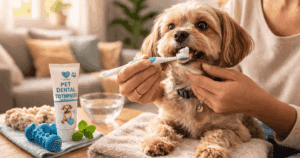
Essential tips to prevent dental problems and improve your dog’s quality of life. Why Dental Hygiene for Small Dogs Is So Important Many pet guardians underestimate the importance of dental hygiene for small dogs. Because these breeds often live indoors and appear clean and well cared for, oral health may not seem like an urgent concern. However, small dogs are actually more prone to dental disease than larger breeds. Their teeth are positioned closer together inside a smaller jaw, which creates an ideal environment for plaque accumulation. Without consistent care, plaque hardens into tartar, leading to gingivitis, periodontal disease, bad breath, and eventually tooth loss. Dental hygiene for small dogs is not just about fresh breath. It is directly connected to overall health, longevity, and quality of life. Why Small Breeds Are More Vulnerable to Dental Problems Toy and miniature breeds such as Yorkshire Terriers, Pomeranians, and Chihuahuas often develop dental issues earlier in life. This happens because: When bacteria accumulate in the mouth, they can inflame the gums and damage supporting bone structures. Over time, untreated oral infections may allow bacteria to enter the bloodstream. This can potentially impact vital organs such as: For this reason, dental hygiene for small dogs must be treated as preventive healthcare, not cosmetic maintenance. Common Mistakes Dog Owners Make with Dental Hygiene Common Mistakes in Dental Hygiene for Small Dogs Even well-intentioned owners sometimes make mistakes that compromise their dog’s oral health. 1. Not Brushing the Dog’s Teeth Regularly Many guardians rely only on dental treats or chew toys. While these can help reduce mild plaque buildup, they are not substitutes for brushing. Mechanical brushing remains the most effective way to control plaque formation. 2. Using Human Toothpaste Human toothpaste contains ingredients such as fluoride and xylitol that are toxic to dogs. Always use products specifically formulated for pets. 3. Starting Too Late Some owners believe dental care is only necessary for older dogs. In reality, plaque begins forming early in life. Puppies should gradually become accustomed to oral handling and brushing to prevent resistance later. 4. Ignoring Early Warning Signs Signs of dental problems include: Delaying veterinary evaluation can allow minor inflammation to develop into advanced periodontal disease. 5. Skipping Veterinary Dental Evaluations Routine checkups are essential. Veterinarians can detect tartar below the gumline and identify early structural problems that are not visible at home. How to Build an Effective Dental Routine Creating a sustainable routine is the key to successful dental hygiene for small dogs. Brushing Routine Start slowly. Allow your dog to get used to the taste of toothpaste and the sensation of touch before attempting full brushing sessions. Dental Chews and Toys Chew toys and dental treats can support oral health by stimulating saliva production and providing mild mechanical cleaning. However, they should be considered complementary tools, not primary treatment. Choose veterinarian-approved products appropriate for small breeds to avoid choking hazards. Professional Dental Cleaning In some cases, professional cleaning under veterinary supervision may be necessary to remove hardened tartar. This is especially common in small breeds due to faster plaque accumulation. The Real Risks of Neglecting Dental Hygiene Neglecting dental hygiene for small dogs can result in: Advanced periodontal disease may require tooth extraction and intensive treatment. Preventive care is significantly less stressful and less expensive than corrective procedures. Studies in veterinary medicine consistently show that early dental intervention reduces long-term complications and improves overall well-being. Dental Care and Preventive Health Go Hand in Hand Dental hygiene should not be isolated from other preventive practices. A complete preventive health plan includes: For example, maintaining updated vaccinations is a fundamental part of preventive care. You can learn more in our article on Vaccination for Apartment Dogs. Similarly, regular movement supports circulation and immune health. Even indoor pets benefit from structured routines. See our guide on Low-Impact Exercises for Small Dogs Living in Apartments for safe activity ideas. When combined, these habits create a comprehensive health strategy that strengthens your dog’s resilience. Frequently Asked Questions About Dental Hygiene for Small Dogs How often should I brush my small dog’s teeth? Ideally daily, but at least three times per week for effective plaque control. Are dental treats enough? No. They can help, but they do not replace brushing. Is bad breath normal in small dogs? Persistent bad breath is usually a sign of dental disease and should be evaluated. At what age should I start? As early as puppyhood. Early habituation makes long-term care easier. The Guardian’s Responsibility Small dogs may require less physical space, but their health needs are just as significant. Dental hygiene for small dogs is a long-term investment in comfort, vitality, and longevity. Each brushing session helps: When dental care becomes part of your regular routine, it transforms from a chore into an act of consistent, responsible love. A clean mouth supports a healthy body. And a healthy body supports a happier, more active companion for years to come.

Read More »
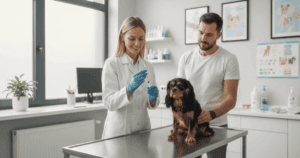
A veterinarian preparing a vaccine while a small dog sits calmly in the clinic

Vaccination for Apartment Dogs: Real Risks and the Ideal Schedule

Why keeping vaccines up to date is essential even for dogs living exclusively indoors. Why Vaccination for Apartment Dogs Is Essential Many guardians believe that dogs living exclusively indoors are naturally protected from infectious diseases. After all, they do not roam freely, dig in backyards, or interact daily with unfamiliar animals. However, this assumption can create a false sense of security. Vaccination for apartment dogs is just as important as for dogs living in houses or spending more time outdoors. Even without long walks, indoor pets remain exposed to viruses, bacteria, and parasites that can enter the home in subtle and unexpected ways. Shoes, clothing, delivery packages, elevator floors, shared building spaces, and visitors can unknowingly carry pathogens. Some viruses are extremely resistant in the environment, meaning that minimal exposure may be enough to cause infection. Keeping your dog’s vaccination schedule updated is one of the most effective ways to protect their health, avoid preventable suffering, and reduce the risk of costly emergency treatments. Do Apartment Dogs Really Have Lower Exposure? Apartment living does reduce certain risks, such as contact with stray animals or contaminated soil. However, it does not eliminate biological exposure. For example: Elevators, building entrances, sidewalks, grooming salons, and veterinary waiting rooms are all potential exposure points. This is why vaccination for apartment dogs should never be postponed or treated as optional. Vaccines prepare the immune system to recognize and fight pathogens before they cause severe illness. Beyond individual protection, proper vaccination helps reduce community outbreaks in shared residential environments. How Vaccines Protect Your Dog’s Immune System Vaccines work by safely stimulating the immune system to recognize specific viruses or bacteria. When vaccinated: This preventive strategy dramatically lowers the severity of disease or prevents infection entirely. According to veterinary preventive care principles, maintaining core vaccinations significantly reduces hospitalization rates related to viral infections in dogs. In other words, vaccination for apartment dogs is not just preventive. It is protective at a biological level. Essential Vaccines for Apartment Dogs Core Vaccines Core vaccines are considered essential regardless of lifestyle. V8 or V10 Vaccine Protects against: These diseases can be severe and sometimes fatal. Even minimal environmental exposure may be enough for infection. Rabies Vaccine In many countries, rabies vaccination is legally required. Rabies is a fatal viral disease that can also be transmitted to humans, making it a serious public health issue. Even apartment dogs must receive this vaccine according to local regulations. Non-Core Vaccines (Depending on Lifestyle) A veterinarian may recommend additional vaccines based on local risks and your dog’s routine. Giardia Vaccine May be suggested in areas with higher incidence rates. Kennel Cough (Bordetella or Canine Influenza) Recommended for dogs that: Even short elevator interactions in apartment buildings may justify this protection in some cases. The Ideal Vaccination Schedule The exact plan for vaccination for apartment dogs should always be determined by a licensed veterinarian. However, general guidelines include: Puppies Puppies have immature immune systems, making early vaccination critical. vulnerable. Adult Dogs Adult Dogs After completing the puppy series: Skipping boosters reduces immunity over time. Senior Dogs Senior dogs still require vaccination. Frequency may be adjusted depending on: Age alone is not a reason to discontinue vaccination. For updated vaccination guidelines and preventive care recommendations, consult trusted veterinary organizations such as the American Kennel Club (AKC). ➡️ See also: How to Create an Agility Training Routine for Anxious Beginner Dogs Common Mistakes Guardians Make Even responsible owners may unintentionally compromise protection. 1. Assuming Indoor Dogs Do Not Need Vaccines This is the most frequent and risky misconception. 2. Skipping Booster Doses Incomplete schedules weaken immunity and increase vulnerability. 3. Avoiding Regular Veterinary Checkups Vaccination visits are opportunities to assess: 4. Following Outdated Information Vaccination protocols evolve. Always rely on updated veterinary guidance. Beyond Vaccines: A Complete Preventive Plan Vaccination for apartment dogs works best when combined with a broader preventive approach. Regular Deworming Even indoor dogs can develop internal parasites. Routine exams and scheduled deworming help maintain digestive and systemic health. Flea and Tick Prevention Parasites may enter apartments through clothing, other pets, or shared building areas. Preventive treatments are essential. Oral Hygiene Small-breed apartment dogs are particularly prone to dental disease. Proper oral care supports overall health. ➡️ Related content: Dental Hygiene for Small Dogs Public Health and Community Responsibility Vaccination is not solely an individual decision. It directly impacts: Diseases like rabies and leptospirosis have zoonotic potential, meaning they can be transmitted from animals to humans. By maintaining vaccination for apartment dogs, guardians contribute to a safer residential community. Frequently Asked Questions Can indoor dogs skip vaccines? No. Indoor living reduces exposure but does not eliminate risk. Vaccination remains essential. How often should apartment dogs receive boosters? Typically once a year, but schedules may vary depending on the vaccine and veterinary recommendations. Are vaccines safe for small apartment dogs? Yes. Vaccines approved for veterinary use undergo strict safety testing. Mild reactions may occur but serious complications are rare. The Guardian’s Responsibility Living in an apartment requires intentional preventive care. Space may be limited, but health protection must be comprehensive. Keeping vaccines updated demonstrates responsibility and commitment to your dog’s well-being. Each vaccine dose represents: Consistent vaccination for apartment dogs is one of the most effective long-term investments in preventive health. When combined with balanced nutrition, safe exercise, parasite control, and regular veterinary visits, it ensures a longer, healthier, and more secure life indoors.

Read More »
Scroll to Top