Better Days
for Your Best Friend

Practical guidense, expert-backed tips,
and real care for a happier,more comfortable life.

Start Here

Knowing when to help and when to wait can reduce discomfort

When to Help a Dog with Arthritis Walk — And When to Let Them Rest

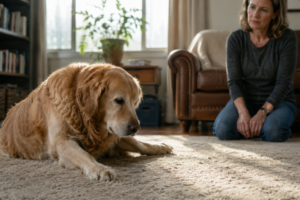
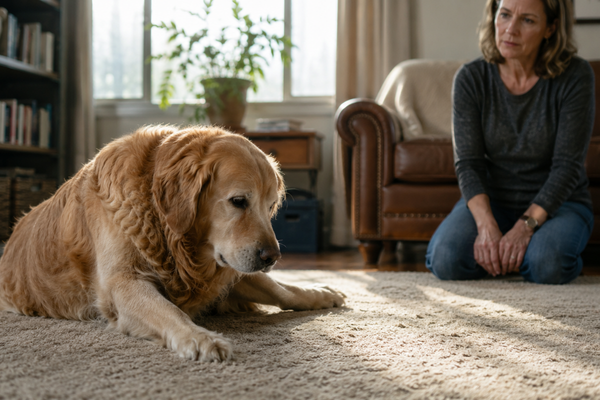
Learn how to recognize the right moments to encourage movement or allow rest without increasing pain or stiffness There’s a moment that almost every dog owner recognizes. Your dog is lying down, watching you… but not moving.They try to get up — then stop. You hesitate. Should you help? Encourage them? Or give them time? That uncertainty matters more than it seems. Because in dogs with arthritis, timing is everything.Helping at the wrong moment can increase discomfort. Waiting too long can lead to stiffness. Learning to read these moments is one of the most valuable ways to truly support your

Read More »

Exercise

Care

The 5 Best Non-Slip Rugs for Dogs with Arthritis

The 5 Best Non-Slip Rugs for Dogs with Arthritis

Learn how the right non-slip rug can prevent falls, reduce joint strain, and help senior dogs with arthritis move safely and confidently at home. What to Look for in a Non-Slip Rug Choosing the right non-slip rug for a dog with arthritis requires attention to several key factors to ensure safety, comfort, and practicality: These considerations help create a safer, more comfortable environment for your arthritic dog. Benefits of Using Non-Slip Rugs for Dogs with Arthritis Non-slip rugs offer more than aesthetic appeal—they’re essential for improving safety and quality of life for dogs with arthritis: These benefits make non-slip rugs a vital tool for managing arthritis in senior dogs. The 5 Best Non-Slip Rugs for Dogs with Arthritis Here are five top-rated non-slip rugs, selected based on their features, customer reviews, and suitability for arthritic dogs: How to Choose the Right Rug for Your Dog Selecting the best rug involves tailoring your choice to your dog’s specific needs: These steps ensure the rug meets your dog’s unique requirements for safety and comfort. Tips for Using Non-Slip Rugs Effectively Maximize the benefits of your non-slip rug with these practical tips: These habits ensure long-term safety and comfort for your arthritic dog. Frequently Asked Questions How often should I clean a non-slip rug for my dog? Clean weekly or as needed, especially if your dog tracks in dirt or rests on it frequently, to maintain traction and hygiene. Can non-slip rugs help with severe arthritis? Yes, they reduce fall risks and provide stable footing, but combine with veterinary treatments for severe cases. What if my dog doesn’t like walking on the rug? Introduce the rug gradually with treats or toys to build comfort, and ensure the texture isn’t too rough for their paws. Conclusion Non-slip rugs are a simple yet impactful solution for improving safety and comfort for dogs with arthritis. By reducing fall risks, boosting confidence, and providing cozy resting spots, these rugs help alleviate the challenges of joint pain in senior dogs. The right rug—whether it’s the cushioned Gorilla Grip or the budget-friendly HEBE Runner—can transform your home into a safer, more supportive environment for your pet. Choose wisely, test carefully, and prioritize your dog’s specific needs to ensure they enjoy a happier, more mobile life in their golden years. Share your favorite rug tips in the comments!

Read More »
Physical Therapy for Senior Dogs: How It Helps Manage Arthritis

Physical Therapy for Senior Dogs: How It Helps Manage Arthritis

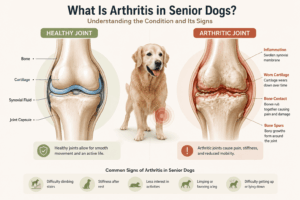
Discover how targeted physical therapy techniques can reduce pain, improve mobility, and help senior dogs with arthritis live more comfortably and actively. Arthritis, a degenerative joint condition, is prevalent among senior dogs, leading to chronic pain, stiffness, and reduced mobility that can diminish their daily joy. Pet owners are increasingly turning to non-invasive solutions to manage this condition. Physical therapy stands out as a powerful tool, complementing medications by improving mobility, strengthening muscles, and alleviating joint discomfort. This article explores the benefits of physical therapy for senior dogs with arthritis, when to start, and the most effective techniques to enhance their quality of life. For more preventive strategies, check out our guide on how to prevent arthritis from getting worse in senior dogs. Understanding Arthritis in Senior Dogs Arthritis results from the gradual breakdown of joint cartilage, causing bone-on-bone friction, inflammation, and pain, often in hips, knees, or shoulders. By integrating therapy into a holistic care plan, you can help your dog maintain an active, comfortable life despite arthritis. What Is Canine Physical Therapy? Canine physical therapy involves therapeutic practices tailored to address musculoskeletal issues, particularly in aging dogs with arthritis. Working with a licensed canine physical therapist ensures these methods are applied effectively. Benefits of Physical Therapy for Dogs with Arthritis Physical therapy offers multiple advantages for arthritic dogs: These benefits make physical therapy a vital component of arthritis management. Common Physical Therapy Techniques for Arthritic Dogs Several evidence-based techniques are tailored to the dog’s arthritis severity: These techniques, guided by professionals, provide safe, effective relief. When to Start Physical Therapy Timing is critical for maximizing therapy benefits: Early action ensures better outcomes for your dog’s comfort. Key Considerations for Starting Therapy Ensure therapy is safe and effective with these steps: These considerations help create a safe, tailored therapy experience. Tips to Help Your Dog Enjoy Physical Therapy Make therapy a positive experience with these strategies: Consistency and positivity enhance your dog’s engagement and progress. Combining Therapy with Other Treatments Physical therapy works best as part of a broader plan: Consult your vet to integrate these elements effectively. Frequently Asked Questions How often should my dog have physical therapy? Start with 1–2 sessions weekly, adjusting based on vet advice and your dog’s response. Can I do physical therapy at home without a professional? Yes, for gentle stretches or massages, but follow a therapist’s guidance to avoid injury. What if my dog seems uncomfortable during therapy? Stop immediately, consult your therapist, and adjust the intensity or technique. Conclusion Physical therapy offers a non-invasive, effective way to manage arthritis in senior dogs, reducing pain, improving mobility, and enhancing their quality of life. Techniques like therapeutic exercises, hydrotherapy, and massage, when guided by professionals and supported at home, can make a significant difference. If your dog shows signs of joint discomfort, consult your vet to incorporate physical therapy into their care plan. Share your experiences in the comments and help other pet parents support their furry friends in their golden years!

Read More »
How to Prevent Arthritis from Getting Worse in Senior Dogs

How to Prevent Arthritis from Getting Worse in Senior Dogs

Learn practical, vet-approved strategies to slow arthritis progression, reduce joint pain, and help your senior dog stay active, comfortable, and independent for longer. Arthritis is a frequent inflammatory condition in senior dogs, affecting joints with pain, stiffness, and mobility challenges that can diminish their quality of life. As of 07:00 PM -03 on Thursday, May 22, 2025, pet owners are increasingly focused on preventive care to manage this progressive disease. While there’s no cure, adopting gentle, practical strategies can slow arthritis progression, enhance comfort, and support an active lifestyle. This article provides actionable tips—ranging from weight control to home adjustments—to help your senior dog thrive with less pain. For additional support, explore our guide on natural supplements for dogs with arthritis. Understanding Arthritis in Older Dogs Arthritis arises from cartilage degradation, leading to bone friction, inflammation, and discomfort, commonly in hips, knees, and elbows of aging dogs. With consistent habits and veterinary oversight, you can manage arthritis effectively, keeping your dog comfortable in their golden years. Maintain a Healthy Weight Excess weight exacerbates joint strain, accelerating arthritis progression and intensifying pain. Maintaining a healthy weight is a cornerstone of arthritis prevention. Include Low-Impact Exercise Regular, gentle exercise strengthens muscles, boosts circulation, and eases stiffness without overloading joints. For gentle movement options, check our article on hydrotherapy as a safe exercise for dogs with arthritis. Support with Joint Supplements Supplements bolster joint health, reduce inflammation, and slow arthritis progression. Supplements enhance preventive care when paired with professional advice. Make the Home Safer and More Comfortable A tailored home environment minimizes strain and prevents injuries that worsen arthritis. These changes create a safer, arthritis-friendly living space. Schedule Regular Vet Visits Routine veterinary care is critical for early detection and management of arthritis progression. Regular check-ups ensure proactive care tailored to your dog’s needs. Manage Pain and Inflammation Effectively Controlling pain and inflammation prevents joint deterioration and supports activity. Effective management keeps your dog active and comfortable. Tips for Long-Term Prevention Sustain preventive efforts with these habits: These steps ensure ongoing care and comfort. Frequently Asked Questions How often should I weigh my arthritic dog? Check weight monthly or at vet visits to adjust diet and prevent joint strain. Can swimming replace walks for my dog? Yes, if approved by a vet, as it’s gentler on joints, but variety is ideal. What if my dog resists supplements? Try mixing with food or using flavored options, and consult a vet for alternatives. Conclusion Preventing arthritis from worsening in senior dogs involves maintaining a healthy weight, incorporating low-impact exercise, using joint supplements, adapting the home, scheduling vet visits, and managing pain effectively. These strategies, guided by veterinary care, slow progression, reduce discomfort, and enhance mobility, allowing your dog to enjoy their golden years with joy. Start with small changes, monitor progress, and share your tips in the comments! For more guidance, explore our guide on how to recognize signs of pain in senior dogs with arthritis.

Read More »
Natural Supplements for Dogs with Arthritis

Natural Supplements for Dogs with Arthritis: Boswellia Serrata, Cinnamon, Collagen, and Antioxidant Vitamins

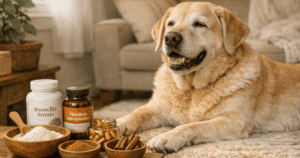
Discover how Boswellia Serrata, Ceylon cinnamon, collagen, and antioxidant vitamins can naturally reduce inflammation, support joint health, and improve mobility in senior dogs with arthritis. Arthritis is a widespread condition in dogs, particularly seniors, leading to joint inflammation, stiffness, and pain that diminish mobility and quality of life. While conventional treatments like anti-inflammatory drugs and physical therapy offer relief, natural supplements are gaining popularity for their gentle approach to supporting joint health. This article delves into four effective natural supplements—Boswellia Serrata, cinnamon, collagen, and antioxidant vitamins—that reduce inflammation and ease joint pain in dogs with arthritis. By integrating these with a supportive care routine, you can help your furry friend thrive. For additional support strategies, explore our guide on how to choose the right shoes for dogs with arthritis. Understanding the Role of Natural Supplements in Canine Arthritis Care Arthritis in dogs stems from cartilage wear, causing painful joint inflammation that worsens with age. Conventional treatments can have side effects, prompting pet owners to seek natural alternatives. Supplements like Boswellia Serrata, cinnamon, collagen, and antioxidant vitamins work by reducing inflammation, supporting cartilage, and combating oxidative stress, offering a safer long-term option. These supplements are most effective when paired with lifestyle adjustments, such as gentle exercise and a joint-friendly diet. 1. Boswellia Serrata: A Natural Anti-Inflammatory Powerhouse Boswellia Serrata, a resin from the Boswellia tree, is a staple in Ayurvedic medicine known for its potent anti-inflammatory properties. Boswellia offers a natural way to manage arthritis symptoms, supporting active aging. 2. Cinnamon: More Than Just a Spice Cinnamon, particularly Ceylon cinnamon, provides anti-inflammatory and antioxidant benefits, making it a surprising ally for arthritic dogs. Cinnamon is a safe, tasty option when used correctly, enhancing joint comfort. 3. Collagen: The Joint Building Block Collagen, a key structural protein, supports cartilage and joint flexibility, which decline with age in dogs. Collagen supports long-term joint health, improving your dog’s mobility. 4. Antioxidant Vitamins: Protecting Joints from Oxidative Damage Antioxidant vitamins, including vitamin C, vitamin E, and beta-carotene, neutralize free radicals that accelerate joint deterioration in arthritis. Antioxidants play a vital role in maintaining joint integrity and reducing pain. A Holistic Approach: Combine with Lifestyle Changes Natural supplements shine when integrated with supportive care strategies: Veterinary consultation ensures these combinations are safe and effective for your dog. Safety and Veterinary Guidance Using supplements requires careful consideration to avoid risks. Professional oversight maximizes benefits while minimizing potential issues. Frequently Asked Questions How long does it take to see results from these supplements? Improvements, like reduced stiffness or better mobility, may take 4–8 weeks with consistent use. Consult a vet for realistic timelines. Can I give all these supplements together? Yes, with vet approval. Common combinations include collagen with antioxidants, but avoid overloading to prevent interactions. Are there risks with natural supplements? Overdosing or low-quality products can cause digestive issues or toxicity. Always follow vet-recommended dosages and source from trusted brands. Conclusion Natural supplements like Boswellia Serrata, cinnamon, collagen, and antioxidant vitamins offer a gentle, effective way to reduce inflammation and ease joint pain in dogs with arthritis. When combined with lifestyle changes like stretches, hydrotherapy, and proper nutrition, these options enhance mobility and comfort. Consult your veterinarian to tailor a safe regimen for your dog, ensuring they enjoy more active, pain-free days. Share your experiences with these supplements in the comments! For more care tips, explore our guide on how to recognize signs of pain in senior dogs with arthritis.

Read More »
How to Recognize Signs of Pain in Senior Dogs with Arthritis

How to Recognize Signs of Pain in Senior Dogs with Arthritis

Learn how to identify behavioral, physical, and mobility changes that may indicate arthritis pain in senior dogs and discover when to seek veterinary support. Arthritis is a common condition in senior dogs, causing joint inflammation, stiffness, and chronic pain that can deeply affect their quality of life. As joint cartilage wears down, simple activities like walking, playing, or standing become challenging, often leading to emotional distress. Recognizing signs of pain in senior dogs with arthritis is crucial for early intervention, enabling you to provide relief and improve their comfort. Dogs often mask pain, making it essential to spot subtle changes in behavior, movement, and health. This article explores key signs of arthritis-related pain and offers guidance to help your dog live more comfortably. For additional care strategies, check our guide on gentle massage techniques for senior dogs. Understanding Arthritis in Senior Dogs Arthritis results from cartilage deterioration, leading to bone-on-bone contact, inflammation, and pain, typically in hips, knees, elbows, or spines of senior dogs. Identifying pain early allows for timely care adjustments, such as environmental changes, supplements, or veterinary treatments, ensuring your dog’s comfort and happiness in their golden years. Behavioral Changes Behavioral shifts are often the first indicators of arthritis-related pain in senior dogs. Adjusting their routine, like shortening walks or adding supportive bedding, can help. Veterinary advice ensures these changes align with your dog’s needs. Changes in Movement and Posture Arthritis pain often alters how senior dogs move and hold themselves, providing visible clues. Supportive tools like ramps or orthopedic beds can ease movement. For additional relief, explore our guide on hydrotherapy: a safe exercise for dogs. Pain-Related Vocalizations Dogs may express discomfort through sounds, ranging from subtle to overt. Recognizing these vocal cues prompts early intervention, such as consulting a vet for pain management options. Changes in Appetite and Drinking Habits Pain can impact eating and drinking, especially if accessing bowls is difficult. Place bowls in accessible spots and monitor intake. If appetite loss persists, a vet visit is crucial to address underlying pain or health issues. Physical Signs of Discomfort Physical symptoms often accompany arthritis pain, requiring close observation. These signs often benefit from natural remedies. For options, see our guide on natural supplements for senior dogs with arthritis. When to See a Veterinarian Professional care is essential to confirm pain causes and tailor treatment. Regular vet visits ensure your dog’s care plan evolves with their needs, maximizing comfort. Tips for Supporting Your Dog Beyond recognizing pain, proactive steps can improve your dog’s well-being: These adjustments, paired with veterinary care, help your dog live more comfortably. Frequently Asked Questions How can I tell if my dog’s behavior changes are due to pain or aging? Pain-related changes often include limping, vocalizing, or avoiding touch, while aging alone might cause gradual slowing without these signs. A vet can confirm the cause. What should I do if I notice swelling in my dog’s joints? Swelling indicates inflammation. Consult a vet immediately for anti-inflammatory treatments or diagnostic tests to address the issue. Can pain cause long-term behavioral changes in my dog? Yes, chronic pain can lead to lasting withdrawal or aggression if untreated. Early intervention and pain management can prevent this. Conclusion Recognizing signs of pain in senior dogs with arthritis—whether behavioral shifts, movement changes, vocalizations, or physical symptoms—is vital for their well-being. Early identification allows for timely veterinary care, environmental adjustments, and treatments that ease discomfort and improve quality of life. Stay observant, consult a vet regularly, and provide compassionate support to ensure your senior dog enjoys their golden years with dignity and comfort. Share your experiences in the comments!

Read More »
Natural Supplements for Senior Dogs with Arthritis

Natural Supplements for Senior Dogs with Arthritis: Relieve Pain and Support Joint Health

Discover 7 safe and effective natural supplements that reduce inflammation, relieve joint pain, and help senior dogs move with more comfort and mobility. Arthritis is a prevalent condition in senior dogs, causing joint pain, stiffness, and reduced mobility that can diminish their quality of life. While medications help, many pet owners seek natural supplements for a safer, long-term approach to manage symptoms. Supplements like Omega-3, turmeric, glucosamine, Boswellia, cinnamon, collagen, and vitamin E offer anti-inflammatory and joint-supportive benefits. This article explores seven natural supplements to ease pain and boost mobility, helping your aging dog thrive. For complementary care, explore our guide on best diet for dogs with arthritis to enhance joint health through nutrition. Understanding Arthritis in Senior Dogs Arthritis results from cartilage breakdown in joints, leading to painful bone-on-bone contact and inflammation, often affecting hips, knees, and elbows in senior dogs. Natural supplements provide a gentle way to reduce inflammation, support cartilage, and improve comfort. Veterinary guidance ensures safe, effective use, tailoring supplements to your dog’s needs for optimal joint health and well-being. 1. Omega-3 Fatty Acids: Anti-Inflammatory Support Omega-3 fatty acids, particularly EPA and DHA, are powerful anti-inflammatory agents found in fish oil, krill oil, or algae-based supplements. Omega-3s are a cornerstone of arthritis management, promoting freer movement. 2. Turmeric (Curcumin): Nature’s Anti-Inflammatory Turmeric’s active compound, curcumin, offers strong anti-inflammatory and antioxidant properties. Turmeric provides a natural, effective option for long-term arthritis relief. 3. Glucosamine and Chondroitin: Cartilage Support Glucosamine and chondroitin are widely used to maintain joint health and slow arthritis progression. These supplements are ideal for proactive joint care, enhancing mobility. 4. Boswellia Serrata: Herbal Anti-Inflammatory Boswellia serrata, or Indian frankincense, is a traditional herb with potent anti-inflammatory effects. Boswellia offers a natural alternative for inflammation control, supporting active aging. 5. Cinnamon: Therapeutic Spice Ceylon cinnamon provides anti-inflammatory and antioxidant benefits, aiding arthritic dogs. For related care strategies, see our guide on ideal environment for senior dogs with arthritis. Cinnamon is a tasty, safe addition to an arthritis care regimen. 6. Collagen Supplements: Joint Structure Support Collagen, essential for joint strength, declines with age, affecting flexibility. Collagen supports long-term joint health, improving your dog’s activity levels. 7. Vitamin E and Antioxidants: Oxidative Stress Relief Antioxidant vitamins like E, C, and A combat oxidative stress, which exacerbates arthritis. For additional relief techniques, explore our guide on 5 simple stretches for senior dogs. Antioxidants enhance arthritis care, promoting comfort and vitality. Safety and Veterinary Guidance Natural supplements are powerful but require careful use to ensure safety. Veterinary oversight ensures supplements enhance your dog’s health without risks. Frequently Asked Questions How long do supplements take to show results? Improvements, like reduced stiffness or better mobility, may appear in 4–8 weeks with consistent use. Consult a vet for expectations. Can I combine multiple supplements? Yes, with vet approval. Common combinations include glucosamine with Omega-3s or turmeric, but avoid overloading to prevent interactions. Are there risks with natural supplements? Overdosing or low-quality products can cause digestive upset or toxicity. Always follow vet guidance and choose trusted brands. Conclusion Natural supplements like Omega-3, turmeric, glucosamine, Boswellia, cinnamon, collagen, and vitamin E offer a gentle, effective way to relieve pain and support joint health in senior dogs with arthritis. By reducing inflammation and protecting cartilage, these supplements enhance mobility and quality of life. Work closely with your veterinarian to select safe, tailored options and monitor progress. With the right care, your senior dog can enjoy their golden years with comfort and joy. Share your supplement experiences in the comments!

Read More »
Scroll to Top