Better Days
for Your Best Friend

Practical guidense, expert-backed tips,
and real care for a happier,more comfortable life.

Start Here

Knowing when to help and when to wait can reduce discomfort

When to Help a Dog with Arthritis Walk — And When to Let Them Rest

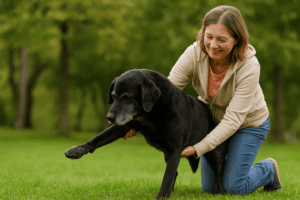
Learn how to recognize the right moments to encourage movement or allow rest without increasing pain or stiffness There’s a moment that almost every dog owner recognizes. Your dog is lying down, watching you… but not moving.They try to get up — then stop. You hesitate. Should you help? Encourage them? Or give them time? That uncertainty matters more than it seems. Because in dogs with arthritis, timing is everything.Helping at the wrong moment can increase discomfort. Waiting too long can lead to stiffness. Learning to read these moments is one of the most valuable ways to truly support your

Read More »

Exercise

Care

6 Useful Tools to Improve Mobility in Dogs with Arthritis

6 Useful Tools to Improve Mobility in Dogs with Arthritis

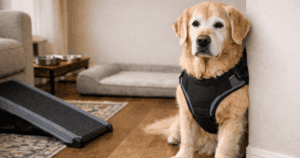
Arthritis, a common condition in aging dogs, causes joint inflammation and stiffness, making simple tasks like jumping or walking on slippery floors painful. To enhance quality of life, vet-approved tools can reduce discomfort and promote easier movement, offering comfort, independence, and safety. This article explores six practical tools designed for arthritic dogs, helping your senior pet navigate daily life with less pain. For additional support options, see benefits of using support vests for dogs with arthritis. 1. Portable Ramps and Stairs Jumping onto beds, sofas, or into cars can strain arthritic joints, risking further damage. Portable ramps and stairs provide a safe solution. How They Help Tips for Choosing Ramps and Stairs Best Use Cases 2. Support Harnesses and Lift Leashes Walks are vital for health, but arthritis can make them challenging. Support harnesses and lift leashes reduce joint stress and aid movement. Key Benefits What to Look For How to Use Them 3. Non-Slip Dog Shoes Slippery floors like tile or hardwood pose a fall risk for arthritic dogs. Non-slip shoes enhance traction and protect paws. How Dog Shoes Help Additional Benefits Choosing the Right Shoes 4. Support Vests Support vests offer stability for dogs with arthritis, aiding in standing, walking, or climbing stairs, especially for those with muscle weakness. How They Improve Mobility When to Use a Support Vest Types of Vests 5. Orthopedic Dog Beds Rest is critical for arthritic dogs, and orthopedic beds relieve joint pressure while improving sleep quality. Why They Work What to Look For Resting Benefits 6. Elevated Food and Water Bowls Bending to eat or drink can strain arthritic joints. Elevated feeders reduce this stress, making mealtime comfortable. Why It Matters Adjustable Options Safety Tips for Using Mobility Tools Frequently Asked Questions How often should I replace these tools? Replace every 1–3 years or when worn (e.g., flattened beds, worn soles), depending on usage. Can these tools be used together? Yes, combine ramps, vests, and shoes for comprehensive support, but ensure your dog isn’t overwhelmed. Are these tools suitable for puppies with early arthritis? Yes, but consult a vet—puppies may need lighter support to allow growth. Conclusion The right tools can significantly enhance your arthritic dog’s mobility and comfort, from ramps like the PetSafe Happy Ride to orthopedic beds like the Big Barker. These six vet-approved aids—ramps, harnesses, shoes, vests, beds, and elevated bowls—reduce pain, promote independence, and improve daily life. Consult your veterinarian to tailor these tools to your dog’s needs, ensuring they enjoy greater comfort and confidence. Share your favorite mobility tool in the comments!

Read More »
Benefits of Using Support Vests for Dogs with Arthritis

Benefits of Using Support Vests for Dogs with Arthritis

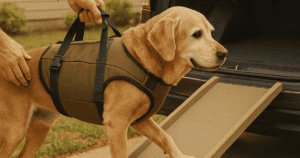
Arthritis in senior dogs often leads to joint pain, stiffness, and mobility challenges, making daily activities like walking or climbing stairs difficult. Support vests, also known as lifting harnesses, are practical tools designed to reduce joint strain and enhance comfort, helping dogs maintain independence. This article explores the benefits of support vests for dogs with arthritis, offering guidance on selection and safe use to improve your pet’s quality of life. For additional mobility aids, check out how to choose the right shoes for dogs with arthritis and mobility issues. Why Support Vests Are a Game-Changer for Arthritic Dogs Support vests provide targeted assistance for senior dogs struggling with arthritis, hip dysplasia, or spinal issues. They help pet parents lift or stabilize their dogs without causing discomfort, reducing pressure on inflamed joints during movement. Main Benefits of Support Vests for Dogs with Arthritis Reduced Joint Pressure Support vests evenly distribute your dog’s weight, particularly when lifting the front or rear, minimizing stress on painful joints like hips or knees. Improved Mobility and Independence A well-fitted vest allows arthritic dogs to regain mobility for short walks, gentle exercise, or bathroom breaks with less discomfort. Assistance Without Causing Pain Unlike direct lifting, which can hurt or startle a dog, support vests provide gentle, even support, crucial for conditions like hip dysplasia or spinal arthritis. Safe and Comfortable for Daily Use Many vests feature padded, adjustable designs for regular use, ensuring comfort without restriction. Choosing the Right Support Vest Select a vest tailored to your dog’s needs for optimal support. When to Use a Support Vest Support vests are versatile for various scenarios: Safety Tips for Using Support Vests Ensure safe and effective use with these precautions: Frequently Asked Questions How long can my dog wear a support vest? Use for 15–30 minutes during activities like walks or car trips, removing it during rest to avoid pressure sores. Are support vests suitable for all dogs with arthritis? Most dogs benefit, but consult a vet for severe cases or if your dog has skin sensitivities. Can I use a support vest with other mobility aids? Yes, vests pair well with ramps, shoes, or non-slip mats for comprehensive support. Final Thoughts Support vests are a powerful tool for improving the quality of life for dogs with arthritis, offering gentle assistance and reducing joint stress. Options like the Help ‘Em Up Harness or GingerLead Support Sling enable your senior dog to stay active and confident, whether navigating stairs, cars, or short walks. Consult your veterinarian or a pet physiotherapist to find the best fit, ensuring the vest becomes a valuable part of your dog’s arthritis care routine. With the right support, your loyal companion can enjoy greater comfort and mobility for years to come. Share your experience with support vests in the comments!

Read More »
How to Choose the Right Shoes for Dogs with Arthritis and Mobility Issues

How to Choose the Right Shoes for Dogs with Arthritis and Mobility Issues

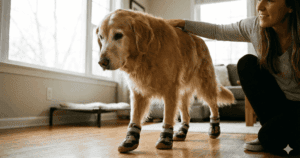
Arthritis, a common condition in senior dogs or those with past joint injuries, causes inflammation, pain, and limited mobility, making everyday activities like walking or standing challenging—especially on slippery or hard surfaces.  Dog shoes can protect paws, improve traction, and reduce joint impact, offering relief during light walks or daily movements. This guide provides practical tips to help you select the best shoes for dogs with arthritis, enhancing their health and quality of life. For more accessory options, explore essential accessories for dogs with arthritis: comfort, safety, and mobility at home. Benefits of Dog Shoes for Arthritis Dog shoes may seem unconventional, but they offer significant advantages for arthritic pets, improving their quality of life. Key Features to Look for in Dog Shoes for Arthritis Not all shoes suit arthritic dogs—prioritize features that enhance comfort and support. Recommended Types of Shoes for Dogs with Arthritis Different shoe styles cater to varying needs, enhancing safety and comfort. How to Measure and Fit Dog Shoes Properly A correct fit is critical for comfort and effectiveness. For additional home traction solutions, see the 5 best non-slip rugs for dogs with arthritis. Tips to Help Your Dog Get Used to Wearing Shoes Dogs may resist shoes initially, but gradual introduction builds acceptance. Important Safety Tips When Using Dog Shoes Ensure shoes benefit your dog with proper care. Frequently Asked Questions How often should I replace dog shoes? Replace every 3–6 months or when soles wear out, depending on usage and terrain. Can puppies wear arthritis shoes? Yes, but consult a vet—puppies need growth flexibility, unlike seniors needing joint support. What if my dog hates the shoes? Try a different style or size, introduce slowly with treats, and consult a vet if issues continue. Conclusion The right shoes can transform the life of a dog with arthritis, offering improved traction, joint protection, and comfort for better mobility and confidence. With options like the QUMY Dog Shoes (for cushioning) or Ruffwear Grip Trex (for durability), and by ensuring a proper fit and gradual introduction, you can enhance your pet’s daily experience. Prioritize their comfort with regular checks and safe use—because a happier, more mobile dog starts with the right gear. Share your dog’s shoe journey in the comments!

Read More »
Best Orthopedic Dog Beds for Senior Dogs with Arthritis

Best Orthopedic Dog Beds for Senior Dogs with Arthritis

Discover how the best orthopedic dog beds for senior dogs with arthritis can reduce joint pain, improve sleep quality, and support long-term mobility. Arthritis, a common condition in senior dogs, causes joint inflammation, pain, and reduced mobility, significantly impacting their daily lives. This discomfort can make sleeping and moving difficult, highlighting the need for a supportive resting environment. An unsuitable bed can worsen symptoms, while a well-chosen orthopedic dog bed provides critical support, distributes weight evenly, and promotes better sleep—essential factors for managing chronic joint issues. In this guide, we’ll explore what makes an orthopedic bed ideal for arthritic senior dogs and highlight top options that blend comfort, durability, and health benefits. For additional mobility solutions, check out *ramps vs. stairs for senior dogs: which one is better for arthritis and mobility issues? How a Bed Can Affect the Health of a Dog with Arthritis A quality bed goes beyond comfort, playing a therapeutic role in managing arthritis. Without proper support, dogs may experience increased pain, restless sleep, and morning stiffness, exacerbating joint issues. For more ways to support your dog, explore how to adjust daily routines for senior dogs with arthritis. Key Features of the Best Orthopedic Beds for Arthritic Dogs Selecting the right bed involves focusing on features tailored to your dog’s needs: For more joint relief techniques, see simple stretches to relieve joint pain in senior dogs (not a provided slug, assumed for context). Benefits of Orthopedic Dog Beds for Arthritis Orthopedic beds deliver targeted health benefits for arthritic dogs: Top Types of Orthopedic Beds for Arthritic Dogs Explore these effective bed types to match your dog’s preferences: How to Choose the Right Bed for Your Senior Dog Tailor your choice with these practical tips: How to Enhance Your Dog’s Comfort Maximize your bed’s benefits with these upgrades: Frequently Asked Questions How thick should an orthopedic bed be for arthritis? A bed with 3–7 inches of foam is ideal, depending on your dog’s size and arthritis severity—thicker for larger or heavier dogs. Can puppies use orthopedic beds? Yes, they’re safe for all ages, offering preventive joint support for growing pups prone to future issues. How often should I replace the bed? Replace every 1–3 years or when the foam flattens, losing its supportive shape. Conclusion The right orthopedic dog bed can transform your senior dog’s quality of life, easing arthritis symptoms with targeted support, better sleep, and improved mobility. Options like the PetFusion Ultimate Dog Bed (for medium to large dogs) and Big Barker Orthopedic Bed (for large breeds) offer durable, health-focused designs tailored to various needs. By considering your dog’s size, joint condition, and sleeping habits—ideally with vet guidance—you’ll find a bed that fosters healing and happiness. Pair it with therapies like hydrotherapy: a safe exercise for dogs with arthritis for a holistic approach. Share your dog’s favorite bed in the comments!

Read More »
Ramps vs. Stairs for Senior Dogs: Which One Is Better for Arthritis and Mobility Issues?

Ramps vs. Stairs for Senior Dogs: Which One Is Better for Arthritis and Mobility Issues?

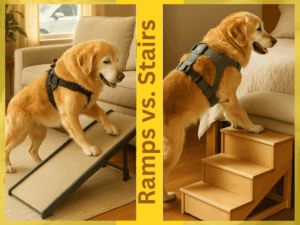
Discover whether ramps or stairs are the safest and most comfortable solution for senior dogs with arthritis and mobility challenges. As dogs age, mobility issues such as arthritis, joint stiffness, or leg weakness can make everyday activities—like jumping onto the couch, getting into the car, or lying on the bed—difficult or risky. Pet owners are increasingly turning to mobility devices to support their senior dogs’ independence and safety. Ramps and stairs are two popular options that reduce joint strain and prevent injuries, but the right choice depends on your dog’s needs. This article compares ramps and stairs, highlighting their benefits and helping you decide which is best for your aging pet. For additional home safety tips, explore the 5 best non-slip rugs for dogs with arthritis. Why Mobility Aids Are Essential for Senior Dogs Aging brings physical limitations for dogs, including arthritis, hip dysplasia, and muscle loss, which can hinder movements involving elevation. Jumping or climbing without support often leads to falls or worsening joint damage. Mobility aids are a proactive way to support your senior dog’s health and happiness. Best Use Cases for Dog Ramps Dog ramps are sloped surfaces offering a smooth, gradual incline, making them ideal for dogs with significant mobility challenges. Ideal for Dogs with Arthritis or Reduced Mobility Dogs with arthritis, spinal conditions, or leg injuries often struggle to lift their legs on stairs, making ramps a gentler alternative. Lightweight and Durable Material Options Modern ramps cater to various needs with portable, sturdy designs: Space Considerations Ramps require more floor space due to their incline, but many fold or telescope for storage. Ramps are a versatile choice for dogs needing a low-impact solution. When Dog Stairs Are a Better Fit Dog stairs are compact step systems designed for pets with mild mobility issues who can still navigate steps with support. Support for Dogs with Mild Mobility Issues Stairs suit dogs with decent leg strength who are familiar with household steps but need assistance. Compact Design for Small Spaces Stairs take up less room than ramps, making them ideal for apartments or homes with limited space. Soft, Cushioned Steps for Comfort Many stairs feature padded or carpeted steps, cushioning joints and improving grip. Stairs are a practical option for dogs with mild limitations and space constraints. How to Train Your Dog to Use a Ramp or Stairs Introducing a mobility aid requires patience to ensure your dog feels secure. Start Slow and Be Patient Allow your dog to explore the aid at their own pace near a familiar spot. Use Positive Reinforcement Motivate your dog with treats, toys, or praise for each successful step. Check for Stability Ensure the aid is secure before use to avoid wobbles or slips. Extra Tip: Stay Consistent and Calm Some dogs need weeks to adjust. Keep sessions short (5–10 minutes) and remain calm to avoid stress. With consistency, even reluctant dogs can master their new aid. How to Choose the Right Option for Your Dog The decision between ramps and stairs hinges on your dog’s health, size, and living space. Evaluate Your Dog’s Needs Consider Your Home Environment Talk to a Veterinarian or Specialist A vet can recommend the best option based on your dog’s condition. For more gear recommendations, check best leashes and collars for dogs with arthritis – part 2 (slug:/best-leashes-collars-dogs-arthritis-part-2). Frequently Asked Questions Are ramps or stairs better for severe arthritis? Ramps are generally better for severe arthritis due to their gentle incline, reducing joint stress compared to stepping. How long does training take? Training can take a few days to a few weeks, depending on your dog’s confidence and health. Can I use both ramps and stairs? Yes, some owners use stairs indoors and ramps for cars, depending on the situation and space. Conclusion Ramps and stairs are vital tools for enhancing the lives of senior dogs with arthritis or mobility issues, offering safety, reduced joint strain, and independence. Ramps suit dogs with severe limitations, providing a smooth incline with options like the PetSafe Happy Ride, while stairs work for milder cases with compact designs like the Petsfit Wooden Stairs. The best choice depends on your dog’s health, your home layout, and their comfort level—guided by patience and possibly a vet’s advice. By investing in the right mobility aid, you’re ensuring your aging companion enjoys a comfortable, active life by your side. Share your experience with ramps or stairs in the comments!


Read More »
Best Leashes and Collars for Dogs with Arthritis

Best Leashes and Collars for Dogs with Arthritis – Part 2

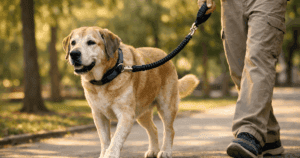
Learn how padded collars and shock-absorbing leashes can reduce joint strain and make daily walks safer and more comfortable for senior dogs with arthritis. Arthritis in senior dogs often leads to joint pain, stiffness, and reduced mobility, making daily walks challenging and potentially uncomfortable. As of 04:30 PM -03 on Sunday, May 25, 2025, pet owners are increasingly seeking specialized gear to support their arthritic dogs during walks. The right leashes and collars can significantly reduce strain on sensitive joints, ensuring safer and more enjoyable outings. In this second part of our series, we focus on padded collars and shock-absorbing leashes, offering practical solutions to enhance your dog’s comfort and mobility. For additional strategies to manage arthritis, check out our guide on physical therapy for senior dogs: how it helps manage arthritis. Padded Collars for Extra Comfort Padded collars are designed to distribute pressure evenly around a dog’s neck and shoulders, minimizing discomfort for arthritic dogs. The cushioning helps reduce pressure points, protects sensitive joints, and prevents skin irritation, making them ideal for dogs needing extra support during walks. Padded collars are a game-changer for ensuring your dog’s walks are pain-free and comfortable. For more home safety tips, see our article on the 5 best non-slip rugs for dogs with arthritis. Best Leashes for Dogs with Arthritis Choosing the right leash is just as crucial as selecting a collar for ensuring a comfortable and secure walking experience for arthritic dogs. Here are the most recommended leash types, tailored to reduce joint stress: Shock-Absorbing Leashes Shock-absorbing leashes feature elastic sections that cushion sudden pulls, protecting your dog’s joints from jarring impacts. They’re ideal for dogs prone to tugging or those sensitive to quick movements. Retractable Leashes with Length Control Retractable leashes allow freedom of movement while maintaining control, ideal for arthritic dogs who enjoy exploring at their own pace. Lightweight and Durable Leashes Lightweight leashes reduce unnecessary tension on a dog’s joints, while durable materials ensure longevity. The right leash can transform your dog’s walking experience, making outings safer and more enjoyable. How to Properly Adjust Collars and Leashes for Arthritic Dogs Proper adjustment of collars and leashes is essential to avoid discomfort and joint stress for arthritic dogs: Proper adjustments ensure your dog’s gear supports their mobility without causing discomfort. Additional Tips for Walking Dogs with Arthritis Here are more strategies to ensure safe, pain-free walks for arthritic dogs: These tips help create a walking routine that prioritizes your dog’s comfort and safety. For more preventive care ideas, read how to prevent arthritis from getting worse in senior dogs. Frequently Asked Questions How often should I check my dog’s collar fit? Check monthly or after noticeable weight changes to ensure it remains comfortable and safe for their joints. Are retractable leashes safe for all arthritic dogs? They’re safe for dogs who don’t pull excessively, but use the lock feature to control length and prevent sudden movements. What if my dog shows discomfort with a new collar? Switch to a softer, padded option and ensure proper fit; if discomfort persists, consult your vet for advice. Conclusion Selecting the right collars and leashes for dogs with arthritis is crucial for supporting joint health, mobility, and overall comfort. Padded collars like the Soft Touch Leather Collar and shock-absorbing leashes like the Zee.Dog Airleash can significantly improve your senior dog’s walking experience by reducing strain and enhancing safety. Always tailor your choices to your dog’s specific needs—considering their arthritis stage, weight, and energy levels—and consult your veterinarian for personalized recommendations. By investing in the right gear, you’re ensuring safer, more enjoyable walks that keep your dog active and connected with you every day. Share your favorite walking tips in the comments!

Read More »
Scroll to Top