
Discover how the best orthopedic dog beds for senior dogs with arthritis can reduce joint pain, improve sleep quality, and support long-term mobility.
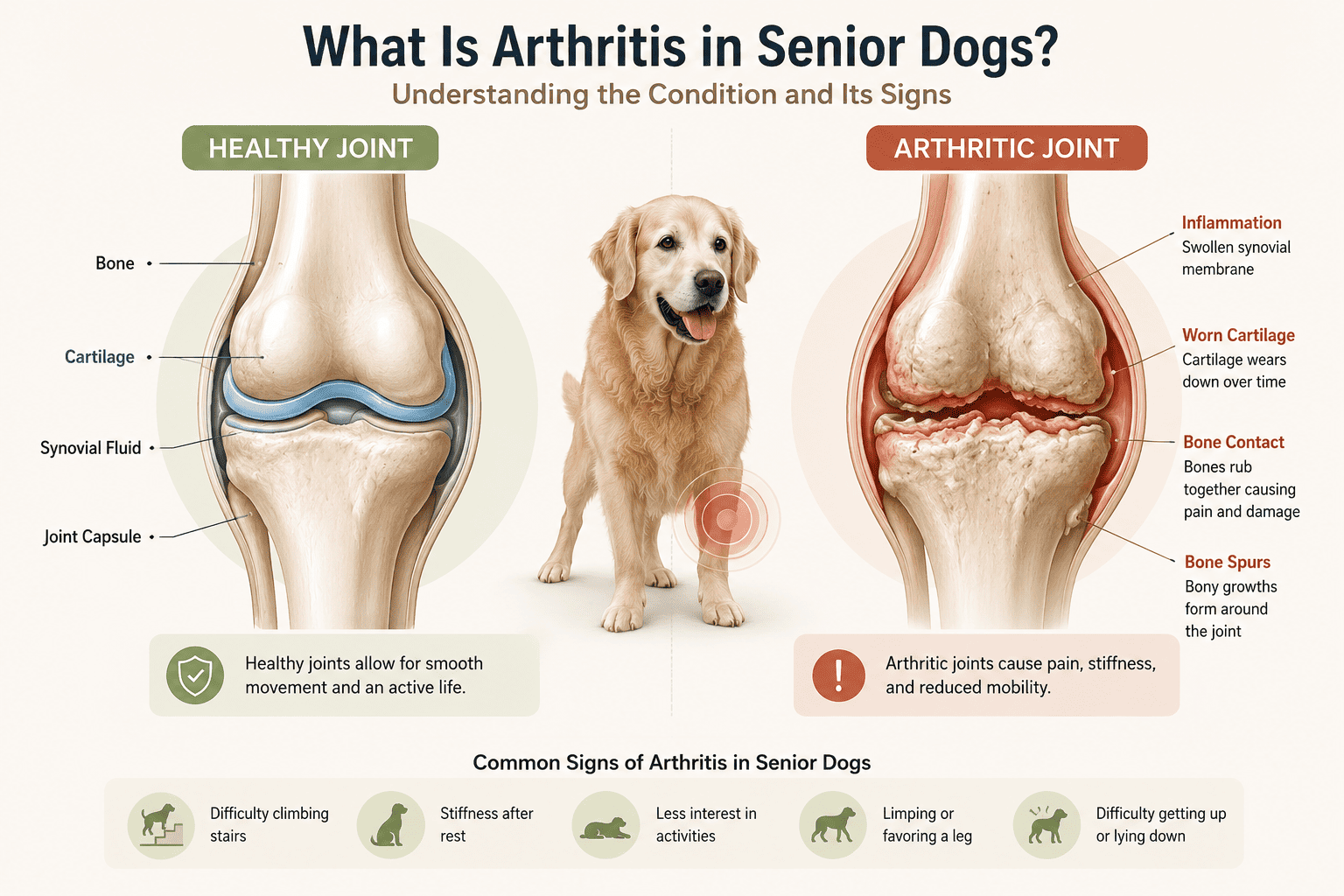
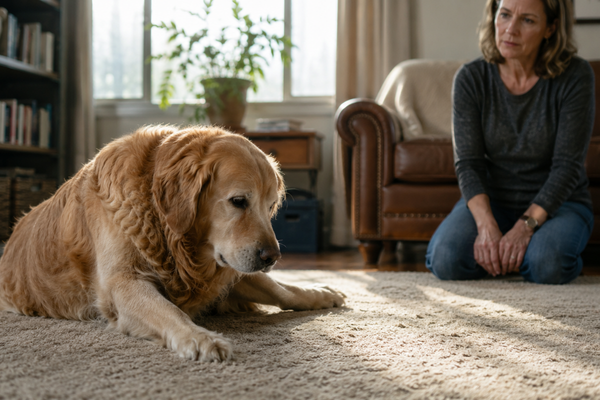
Arthritis, a common condition in senior dogs, causes joint inflammation, pain, and reduced mobility, significantly impacting their daily lives. This discomfort can make sleeping and moving difficult, highlighting the need for a supportive resting environment.
An unsuitable bed can worsen symptoms, while a well-chosen orthopedic dog bed provides critical support, distributes weight evenly, and promotes better sleep—essential factors for managing chronic joint issues. In this guide, we’ll explore what makes an orthopedic bed ideal for arthritic senior dogs and highlight top options that blend comfort, durability, and health benefits.
For additional mobility solutions, check out *ramps vs. stairs for senior dogs: which one is better for arthritis and mobility issues?
How a Bed Can Affect the Health of a Dog with Arthritis
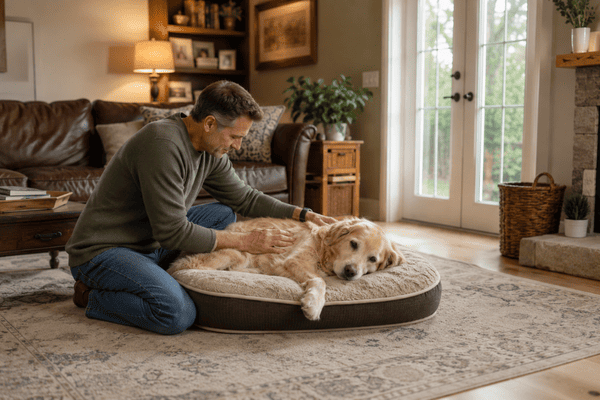
A quality bed goes beyond comfort, playing a therapeutic role in managing arthritis. Without proper support, dogs may experience increased pain, restless sleep, and morning stiffness, exacerbating joint issues.
- Therapeutic Support: Orthopedic beds use memory foam or high-density foam to relieve pressure on joints, distributing weight evenly across the hips, elbows, and spine.
- Sleep Quality: Better rest enhances muscle recovery and reduces inflammation, helping senior dogs maintain mobility.
- Holistic Care: A supportive bed complements vet-recommended treatments, boosting both physical and emotional well-being.
- Example: A 10-year-old German Shepherd with hip arthritis may wake up stiffer on a flat, unsupportive bed but feel more limber after sleeping on a memory foam bed.
For more ways to support your dog, explore how to adjust daily routines for senior dogs with arthritis.
Key Features of the Best Orthopedic Beds for Arthritic Dogs
Selecting the right bed involves focusing on features tailored to your dog’s needs:
- High-Quality Foam: Opt for memory foam or orthopedic-grade foam that molds to your dog’s body, reducing pressure on hips, elbows, and spine. Look for CertiPUR-US-certified foam for safety and durability.
- Appropriate Size and Shape: The bed should accommodate your dog’s full stretch, with raised edges for head support or flat designs for limited mobility. Measure your dog from nose to tail when stretched out, adding 6–12 inches.
- Soft, Washable Covers: Choose removable, machine-washable covers in soft, hypoallergenic fabrics like polyester or microfiber to prevent skin irritation, common in senior dogs.
- Support and Durability: High-density foam (e.g., 3–7 inches thick) ensures long-lasting support, especially for heavier dogs or those with severe arthritis. Avoid beds that flatten within months.
- Top Picks:
- PetFusion Ultimate Dog Bed: Features 2–6 inches of CertiPUR-US-certified memory foam, a waterproof liner, and a washable cover, ideal for medium to large dogs.
- FurHaven Orthopedic Pet Bed: Offers egg-crate foam with a plush faux-fur cover, suitable for dogs up to 100 lbs, with a non-slip bottom.
- Tip: Test the bed’s firmness with your hand— it should bounce back slowly without feeling too soft or hard.
For more joint relief techniques, see simple stretches to relieve joint pain in senior dogs (not a provided slug, assumed for context).
Benefits of Orthopedic Dog Beds for Arthritis
Orthopedic beds deliver targeted health benefits for arthritic dogs:
- Joint Pain Relief: Cushioning reduces pressure on sensitive areas like hips and shoulders, easing discomfort during rest.
- Improved Sleep Quality: Enhanced support leads to deeper sleep, aiding muscle recovery and reducing inflammation overnight.
- Better Sleeping Posture: Aligns the spine and joints, preventing posture-related pain and supporting long-term mobility.
- Bonus Benefit: May reduce reliance on pain medication by providing natural relief, as noted by vets for mild to moderate cases.
- Example: A 65-pound Labrador with elbow arthritis slept better and showed less limping after switching to a bolstered memory foam bed.
Top Types of Orthopedic Beds for Arthritic Dogs
Explore these effective bed types to match your dog’s preferences:
- Memory Foam Beds: Contour to the body for personalized support, like the PetFusion Ultimate Dog Bed (available in small to jumbo sizes, up to 180 lbs).
- Elevated Dog Beds: Keep dogs off cold floors, improving circulation and reducing joint pressure (e.g., Coolaroo Elevated Pet Bed, with a breathable mesh, supports up to 150 lbs).
- Bolstered Beds: Offer neck and head support with raised edges, ideal for dogs who curl up (e.g., FurHaven Bolster Bed, with 4-inch foam, fits dogs up to 95 lbs).
- Waterproof or Washable Beds: Handle incontinence with easy-clean designs (e.g., Big Barker Orthopedic Bed, 7-inch foam with a waterproof liner, rated for 200 lbs).
- Example: A senior dog with incontinence might thrive on a Big Barker bed, keeping the foam dry and odor-free.
How to Choose the Right Bed for Your Senior Dog
Tailor your choice with these practical tips:
- Consider Size and Weight: Ensure the bed supports the full body. Large breeds (e.g., Great Danes) need thick foam (5–7 inches) to prevent sinking, as seen with the Big Barker.
- Mobility Issues: Avoid high-sided or slippery beds if your dog struggles to climb in. Low-profile options like the FurHaven (6-inch height) are ideal.
- Material Matters: Prioritize orthopedic or memory foam with breathable, hypoallergenic covers to avoid allergies or overheating.
- Design and Practical Features: Look for non-slip bottoms and waterproof liners. The PetFusion bed’s removable cover simplifies cleaning for dogs with accidents.
- Vet Insight: Consult your vet to match the bed to your dog’s arthritis severity—severe cases may need extra cushioning.
- Example: A 50-pound dog with mild arthritis might do well with a FurHaven bed, while a 100-pound dog with advanced hip dysplasia needs a Big Barker.
How to Enhance Your Dog’s Comfort
Maximize your bed’s benefits with these upgrades:
- Add Soft Blankets or Pads: Layer with a washable fleece blanket for warmth, especially in winter, without compromising foam support.
- Position the Bed in a Quiet Area: Place it away from drafts or busy zones (e.g., near a window with a curtain) for uninterrupted rest.
- Keep the Bed Clean and Fresh: Wash covers weekly or as needed, and replace foam if it loses shape after 1–2 years.
- Extra Tip: Use a heated pad (vet-approved) on low settings for cold days, enhancing joint warmth and relaxation.
- Example: A senior dog in a drafty corner might benefit from a blanket and a repositioned bed near a heater.
Frequently Asked Questions
How thick should an orthopedic bed be for arthritis?
A bed with 3–7 inches of foam is ideal, depending on your dog’s size and arthritis severity—thicker for larger or heavier dogs.
Can puppies use orthopedic beds?
Yes, they’re safe for all ages, offering preventive joint support for growing pups prone to future issues.
How often should I replace the bed?
Replace every 1–3 years or when the foam flattens, losing its supportive shape.
Conclusion
The right orthopedic dog bed can transform your senior dog’s quality of life, easing arthritis symptoms with targeted support, better sleep, and improved mobility. Options like the PetFusion Ultimate Dog Bed (for medium to large dogs) and Big Barker Orthopedic Bed (for large breeds) offer durable, health-focused designs tailored to various needs.
By considering your dog’s size, joint condition, and sleeping habits—ideally with vet guidance—you’ll find a bed that fosters healing and happiness.
Pair it with therapies like hydrotherapy: a safe exercise for dogs with arthritis for a holistic approach. Share your dog’s favorite bed in the comments!